Lotus Silk vs Eri Silk: Sustainable Asian Textiles 2026

The 2026 Shift Toward Sustainable Asian Textiles
As the global fashion industry faces increasing scrutiny over its environmental footprint, the realm of traditional Asian garments has undergone a remarkable transformation. In 2026, discerning collectors, designers, and cultural preservationists are turning away from mass-produced synthetic blends and conventional mulberry silk, favoring instead the unparalleled elegance of sustainable, eco-friendly alternatives. Two textiles have emerged at the absolute forefront of this movement: Lotus silk from Southeast Asia and Eri (Ahimsa) silk from the Indian subcontinent. Both fibers offer a profound connection to regional heritage while adhering to the strict ethical and environmental standards demanded by today’s conscious consumers.
Whether you are commissioning a bespoke Vietnamese Ao Dai, a modern minimalist Korean Hanbok, or a contemporary Indian Sari, understanding the nuanced differences between these two luxury fibers is essential. This comprehensive guide explores the extraction methods, textile properties, market pricing, and garment applications of lotus and Eri silk, providing you with the knowledge needed to make informed, sustainable choices for your traditional wardrobe in 2026.
Lotus Silk: The Aquatic Marvel of Southeast Asia
Lotus silk is widely considered one of the rarest and most expensive natural fibers in the world. Extracted from the stems of the Nelumbo nucifera (sacred lotus) plant, this textile has deep roots in the cultural and spiritual history of Myanmar and Vietnam. In 2026, the demand for lotus silk has surged, driven by its status as a completely cruelty-free, plant-based alternative to traditional animal silks.
Extraction and Weaving Process
The production of lotus silk is an exercise in extreme patience and artisanal mastery. During the monsoon and early autumn seasons, skilled harvesters wade into shallow lakes—most notably Inle Lake in Myanmar and the Mekong Delta in Vietnam—to gather lotus stems. The stems must be processed within 24 hours of harvesting to prevent the inner fibers from drying out. Artisans make a shallow cut around the stem and gently pull out the delicate, spiderweb-like filaments. It takes approximately 32,000 lotus stems to produce just one kilogram of spun lotus yarn. Once extracted, the fibers are hand-rolled, sun-dried, and woven on traditional wooden looms. The result is a fabric that feels like a hybrid between raw silk and fine linen, boasting a naturally textured, slubbed appearance that is highly prized in luxury fashion.
Applications in Modern Ao Dai and Hanbok
In 2026, lotus silk is the premier choice for high-end, breathable summer garments. Its natural moisture-wicking properties and lightweight drape make it exceptionally well-suited for the Vietnamese Ao Dai. Designers in Hanoi and Ho Chi Minh City are utilizing natural, undyed lotus silk to create structured yet fluid Ao Dai tunics that offer a minimalist, organic aesthetic. Similarly, contemporary Hanbok designers in Seoul are incorporating lotus silk into the jeogori (upper garment) for summer collections, appreciating the fabric’s subtle sheen and its ability to hold crisp architectural folds without the heavy weight of traditional brocades.
Eri Silk: India’s Ahimsa (Peace) Silk Revolution
While lotus silk represents the pinnacle of plant-based luxury, Eri silk stands as the champion of ethical animal fibers. Native to the northeastern Indian state of Assam and parts of Thailand, Eri silk is produced by the Samia ricini moth. Unlike conventional mulberry silk production, where the silkworm is boiled alive inside its cocoon to preserve the continuity of the thread, Eri silk is the world’s most prominent Ahimsa (peace) silk.
The Ethical Ahimsa Process
The term Ahimsa translates to 'non-violence.' In Eri sericulture, the moth is allowed to naturally mature, pierce its cocoon, and fly away before the fibers are harvested. Because the cocoon is broken, the resulting silk fibers are shorter and must be spun rather than reeled, giving Eri silk a texture that closely resembles cotton or soft wool. According to the Silk Mark Organisation of India, the certification and promotion of authentic Ahimsa silks have seen a massive boost in 2026, ensuring that weavers in Assam receive fair trade compensation while protecting the lifecycle of the Eri moth. This ethical production method resonates deeply with modern consumers who refuse to compromise on animal welfare.
Thermal Regulation and Drape in Saris
Eri silk is celebrated for its unique thermal properties; it is famously known as the 'fabric of peace' that keeps the wearer cool in the sweltering Indian summer and warm during the chilly winter months. In the context of traditional South Asian garments, Eri silk has revolutionized the modern Sari and the Assamese Mekhela Chador. The fabric possesses a beautiful, earthy drape and a matte finish that absorbs natural dyes brilliantly. In 2026, bridal trousseaus frequently feature heavily embroidered Eri silk sarees, offering a sustainable, cruelty-free alternative to heavy, synthetic-blend Kanjeevarams or Banarasi brocades, without sacrificing the regal elegance required for ceremonial wear.
Head-to-Head Comparison: Lotus vs. Eri Silk
To help you decide which sustainable textile best suits your traditional garment needs, we have compiled a detailed comparison based on 2026 market data, textile characteristics, and pricing.
| Feature | Lotus Silk (Plant-Based) | Eri Silk (Ahimsa / Peace Silk) |
|---|---|---|
| Fiber Source | Stems of the Sacred Lotus plant | Cocoons of the Samia ricini moth |
| Extraction Method | Hand-cut and pulled; completely cruelty-free | Moth emerges naturally; 100% non-violent |
| Texture & Handfeel | Smooth with slight slubs; linen-like crispness | Soft, slightly napped; resembles fine cotton or wool |
| Drape & Weight | Fluid but holds structural folds well; very lightweight | Earthy, heavy drape; medium weight |
| Thermal Properties | Highly breathable; ideal for hot, humid climates | Thermoregulating; warm in winter, cool in summer |
| 2026 Avg. Cost (Per Yard) | $130 - $160 USD (Luxury Tier) | $45 - $75 USD (Accessible Luxury Tier) |
| Best Garment Applications | Summer Ao Dai, lightweight Hanbok, scarves | Bridal Saris, Mekhela Chador, winter Shawls |
Sourcing Authentic Eco-Silks in 2026
As the popularity of sustainable textiles has skyrocketed, so too has the prevalence of greenwashing. In 2026, it is crucial to verify the authenticity of your lotus and Eri silk purchases. When sourcing Eri silk, always look for the official Silk Mark label, which guarantees the purity and ethical sourcing of Indian silks. For lotus silk, reputable buyers should seek out direct partnerships with verified weaving cooperatives in the Mekong Delta or certified fair-trade exporters in Myanmar. As highlighted by sustainability standards from the Textile Exchange, tracing the supply chain back to the artisan level is the only way to ensure that the premium prices paid for these textiles directly support the rural communities that keep these ancient weaving traditions alive.
Natural Dyeing Techniques
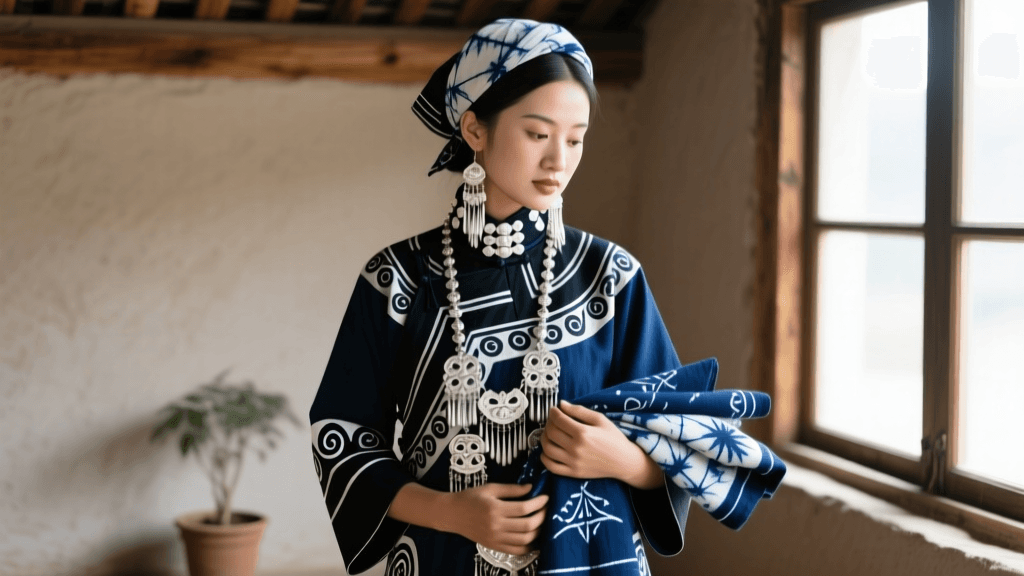
To maintain the eco-friendly integrity of these garments, 2026’s top traditional designers are pairing lotus and Eri silks exclusively with botanical dyes. Indigo, madder root, turmeric, and marigold are being used to create vibrant, colorfast hues that do not pollute local waterways. Eri silk, in particular, acts as a magnificent canvas for natural dyes, absorbing deep, rich tones that synthetic fabrics simply cannot replicate.
Care and Maintenance for Plant and Peace Silks
Investing in luxury sustainable garments requires a commitment to proper textile care. Both lotus and Eri silk are remarkably durable when treated correctly, but they demand a gentler approach than conventional, chemically treated mulberry silks. For a deeper understanding of historical and modern protein and plant fiber structures, resources like Britannica’s comprehensive guide on silk and sericulture provide excellent foundational knowledge on why these fibers react the way they do to environmental stressors.
Washing and Drying
- Hand Wash Only: Never machine wash lotus or Eri silk. Use cold water and a pH-neutral, organic liquid detergent specifically formulated for delicate natural fibers.
- Avoid Agitation: Gently swish the garment in the water for no more than three minutes. Do not wring, twist, or scrub the fabric, as this will distort the natural slubs of the lotus silk and felt the soft fibers of the Eri silk.
- Drying: Roll the garment in a clean, dry cotton towel to press out excess moisture. Lay it flat on a drying rack in a shaded, well-ventilated area. Direct sunlight will rapidly degrade plant fibers and fade natural botanical dyes.
Storage and Ironing
Store your traditional garments in breathable cotton garment bags; never use plastic, which can trap moisture and cause mildew or yellowing. When ironing, always use the lowest heat setting and place a damp cotton pressing cloth between the iron and the silk. For lotus silk, a light steaming is often preferable to direct ironing, as it relaxes the fibers and enhances the fabric's natural, linen-like luster without flattening its beautiful texture.
Conclusion
The landscape of Asian traditional garments in 2026 is defined by a harmonious blend of ancestral craftsmanship and modern ethical consciousness. Whether you are drawn to the aquatic elegance and crisp drape of Southeast Asian lotus silk, or the profound ethical warmth and earthy beauty of Indian Eri silk, choosing these sustainable textiles is an investment in both cultural preservation and environmental stewardship. By understanding the unique properties, sourcing markers, and care requirements of these extraordinary fibers, you ensure that your traditional wardrobe remains a timeless, responsible, and breathtaking expression of Asian heritage for generations to come.