Xin Zhongshi 2026: Xiangyunsha Silk Everyday Styling Guide
The Evolution of Xin Zhongshi in 2026
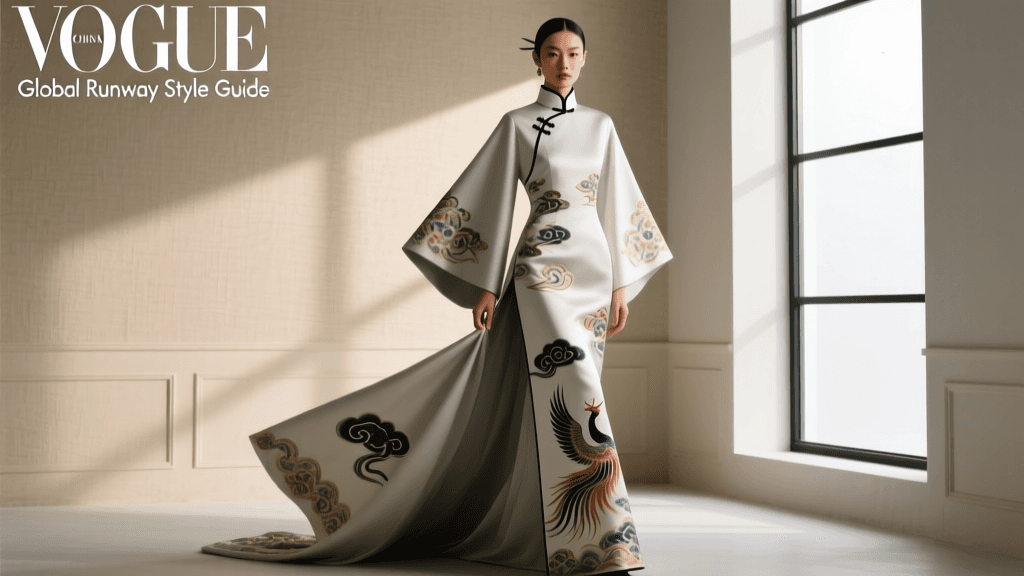
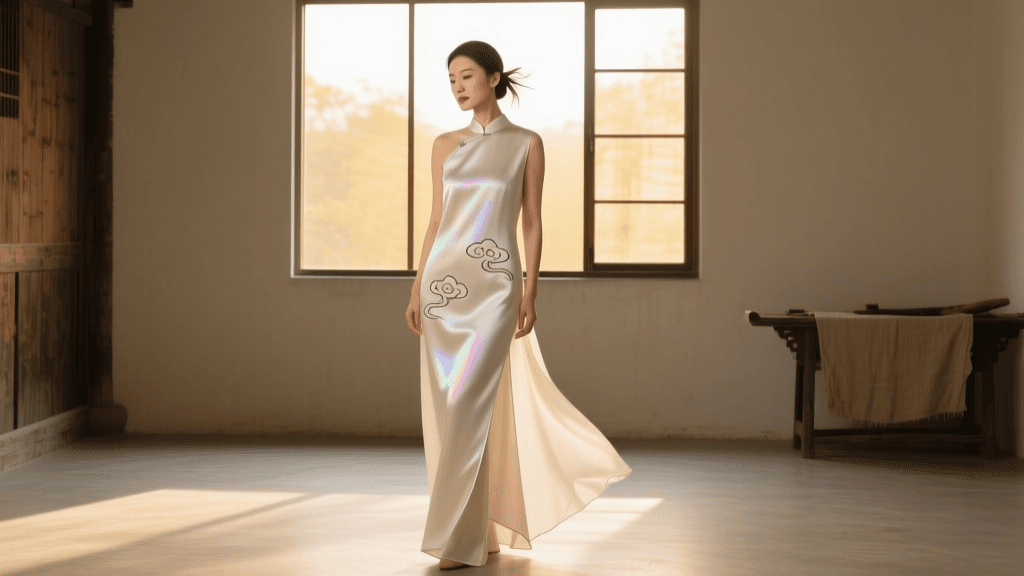
The Xin Zhongshi (新中式), or New Chinese Style, movement has彻底 transformed from a fleeting social media trend into a permanent pillar of global and domestic fashion by 2026. No longer confined to ceremonial wear or strict historical reenactments, today's Xin Zhongshi represents a sophisticated synthesis of ancient Chinese sartorial philosophy and modern, utilitarian tailoring. As we navigate the Spring and Summer 2026 seasons, the focus has shifted heavily toward sustainable heritage textiles, deconstructed silhouettes, and garments that seamlessly transition from the boardroom to a weekend tea ceremony.
At the absolute forefront of this 2026 renaissance is Xiangyunsha (香云纱), also known as Gambiered Canton Gauze. Once reserved for elite scholars and wealthy merchants in the Lingnan region, this remarkable fabric has been reimagined by contemporary design houses to meet the demands of the modern wardrobe. According to the UNESCO Intangible Cultural Heritage list, the sericulture and silk craftsmanship of China represent centuries of refined technique, and Xiangyunsha is arguably its most complex, labor-intensive manifestation.
Understanding Xiangyunsha: The 'Soft Gold' of Silk
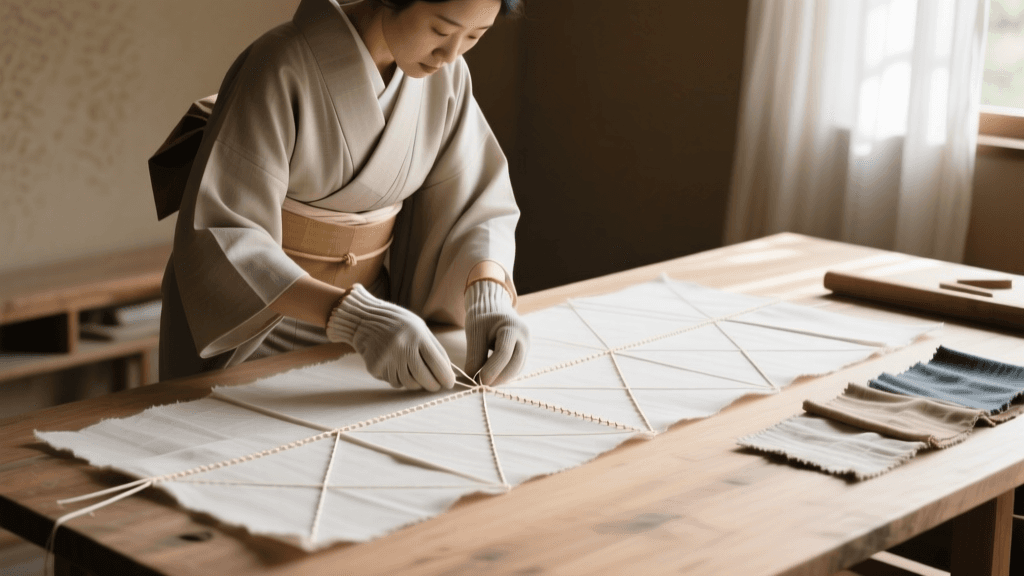
To truly master the Xin Zhongshi aesthetic in 2026, one must understand the medium. Xiangyunsha is not merely woven; it is born from a meticulous alchemy of nature. The process involves dyeing premium mulberry silk in the nutrient-rich juice of the Dioscorea cirrhosa tuber, followed by a critical coating of iron-rich river mud from the Pearl River Delta. This chemical reaction between the tannins in the plant juice and the iron in the mud creates a fabric that is dual-toned: a glossy, deep obsidian black on one side, and a matte, earthy terracotta or ochre on the reverse.
As detailed in historical textile archives documenting Gambiered Canton Gauze, the resulting material is naturally antibacterial, highly breathable, and remarkably resistant to wrinkles and moisture. In the humid summers of 2026, these functional properties make Xiangyunsha an unparalleled choice for everyday luxury. However, authentic, hand-dyed Xiangyunsha commands a premium, with 2026 market prices for certified heritage-grade fabric ranging from $180 to $450 USD per meter, reflecting the intense manual labor and specific climatic conditions required for its production.
Key Silhouettes Defining 2026
The hallmark of the 2026 Xin Zhongshi wardrobe is the rejection of restrictive tailoring. While the traditional Qipao remains a cultural icon, the modern iteration favors fluidity, volume, and architectural draping.
- The Deconstructed Mao Jacket: Traditional Mandarin collars are retained, but the rigid structure is replaced with drop-shoulders and boxy, oversized fits. Xiangyunsha is frequently used here, utilizing the black side for the exterior and flashing the terracotta reverse on the lapels and cuffs.
- Song-Inspired Wide-Leg Trousers: Drawing from the elegant, flowing lines of the Song Dynasty, these high-waisted, pleated trousers offer immense comfort. In 2026, they are often paired with cropped, minimalist silk camisoles or structured linen blazers.
- The Layered Organza Trench: Designers are increasingly using sheer, gambiered silk organza to create lightweight summer trench coats. Worn over simple cotton tees and tailored denim, this piece bridges the gap between historical romance and urban streetwear.
Traditional Elements vs. 2026 Adaptations
Integrating Xin Zhongshi into a contemporary closet requires a balanced approach. Over-accessorizing or wearing head-to-toe historical garments can veer into costume territory. The 2026 methodology relies on subtle, strategic nods to tradition.
| Design Element | Traditional Form | 2026 Xin Zhongshi Adaptation | Best Everyday Use Case |
|---|---|---|---|
| Pan Kou (Frog Closures) | Functional, intricate knotted buttons down the entire front of a garment. | Used sparingly as decorative accents on cuffs, collars, or asymmetric hemlines; often crafted from metallic threads or vegan leather. | Office-appropriate blazers and lightweight spring cardigans. |
| Standing Collar (Mandarin) | Stiff, high, and tightly fastened around the neck. | Softened, lower-profile collars with subtle V-notch openings to elongate the neck and improve comfort. | Summer blouses and transitional outerwear. |
| Embroidery | Dense, full-coverage motifs of dragons, phoenixes, or peonies. | Minimalist, tonal embroidery (e.g., black thread on black Xiangyunsha) featuring abstract botanical or geometric patterns. | Evening wear and statement skirts. |
| Hemlines | Strictly symmetrical, often featuring side slits for mobility. | Asymmetrical cuts, raw edges, and overlapping wrap styles inspired by ancient Hanfu intersections (Jiaoling Youren). | Casual weekend tops and layered midi-skirts. |
Styling Xiangyunsha for the Modern Wardrobe
According to insights frequently highlighted by the South China Morning Post's fashion and lifestyle desk, the modern Asian consumer prioritizes versatility and cultural resonance without sacrificing global fashion sensibilities. Here is how to style Xiangyunsha pieces in 2026:
1. The Corporate Creative
Pair a cropped, obsidian-black Xiangyunsha jacket featuring subtle tonal embroidery with high-waisted, wide-leg wool trousers in charcoal or slate. The natural sheen of the mud-dyed silk provides a luxurious contrast to the matte wool. Finish the look with square-toe leather mules and a structured, minimalist handbag. The Pan Kou buttons on the jacket serve as the sole traditional focal point, keeping the ensemble grounded in modern professionalism.
2. Weekend Leisure
For a relaxed weekend aesthetic, utilize a Xiangyunsha wrap skirt. The fabric's natural stiffness and crisp drape hold pleats beautifully, creating a sculptural silhouette. Pair this with a simple, high-quality white organic cotton t-shirt and a lightweight, oversized linen blazer. Footwear should remain grounded—think chunky leather loafers or clean, retro-inspired sneakers to offset the formality of the silk.
3. Evening Elegance
Embrace the dual-toned nature of the fabric with a reversible slip dress. The terracotta side offers a warm, earthy glow perfect for evening lighting, while the black side provides classic sophistication. Layer with architectural silver jewelry. In 2026, heavy gold and jade are being replaced by brushed silver and white nephrite jade carved into sharp, geometric shapes that mirror the modern cuts of the garments.
Care and Maintenance of Gambiered Silk
Owning Xiangyunsha is an investment in wearable art. The mud-dyeing process gives the fabric its unique properties, but it also dictates strict care requirements to maintain the patina and structural integrity of the silk.
Washing Protocols
Never machine wash or dry clean Xiangyunsha. The harsh chemicals in standard dry cleaning will strip the natural river mud coating and destroy the tannin bonds. Instead, hand wash the garment in cool water (below 30°C or 86°F) using a strictly pH-neutral silk detergent. Avoid alkaline soaps, which will cause the dark black color to fade into a muddy brown. Gently agitate the water, let the garment soak for no more than three minutes, and rinse thoroughly.
Drying and Ironing
Never wring or twist the fabric, as this will break the delicate silk fibers and leave permanent creases in the stiffened mud coating. Press the water out gently between two clean, dry cotton towels. Hang the garment to dry in a well-ventilated, shaded area. Direct sunlight will degrade the natural dyes rapidly. When ironing, use the lowest heat setting and always place a cotton pressing cloth between the iron and the silk. Steam should be used sparingly.
Storage Solutions
Store Xiangyunsha garments in breathable cotton garment bags. Avoid plastic covers, which can trap moisture and lead to mildew—a particular risk given the organic nature of the mud dye. Furthermore, discard traditional mothballs or chemical cedar blocks; the strong odors will permanently taint the fabric, which naturally possesses a faint, earthy, and herbaceous scent that connoisseurs highly prize. Instead, rely on natural air circulation and occasional airing out in the shade to keep the garment fresh.
The Future of New Chinese Style
As we move deeper into 2026, the Xin Zhongshi movement proves that cultural heritage is not a static museum exhibit, but a living, breathing design language. By embracing the extraordinary craftsmanship of Xiangyunsha silk and adapting historical silhouettes for the realities of modern life, wearers are doing more than just getting dressed. They are participating in a global dialogue about sustainability, craftsmanship, and the enduring elegance of Asian traditions. Whether you are investing in your first Gambiered Canton Gauze jacket or experimenting with subtle Pan Kou details on your daily tailoring, the New Chinese Style offers a profound, beautiful way to wear your culture on your sleeve.