Chinese Elements in Global Couture: A Runway Styling Guide
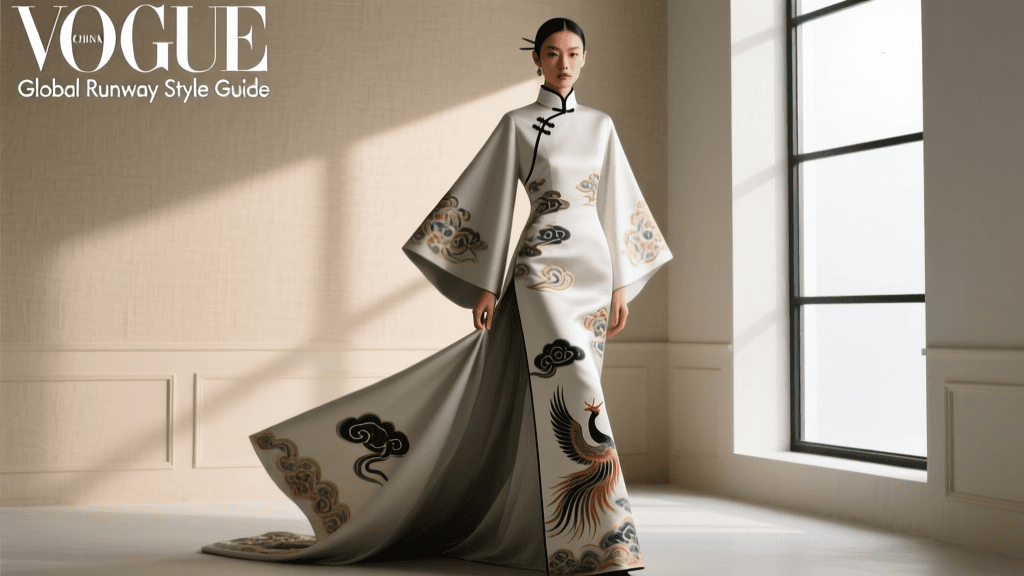
The intersection of traditional Chinese aesthetics and modern international haute couture represents one of the most dynamic dialogues in contemporary fashion. From the sweeping silk capes of Guo Pei to the intricate mandarin collars seen on Parisian runways, Chinese garment traditions have profoundly shaped global luxury fashion. For collectors, enthusiasts, and style connoisseurs, understanding how to source, style, and invest in these runway-inspired pieces requires a deep appreciation of their historical roots and practical construction.
As highlighted by the Metropolitan Museum of Art’s groundbreaking exhibition, China: Through the Looking Glass, the Western fascination with Chinese aesthetics is not a fleeting trend but a centuries-old exchange that continues to evolve. Today, the focus has shifted from mere appropriation to authentic appreciation, with international designers and Chinese couturiers alike elevating traditional techniques to the pinnacle of global luxury.
The Evolution of Chinese Aesthetics in Haute Couture
Historically, Western fashion houses like Yves Saint Laurent and Christian Dior drew heavily on Chinese silhouettes, porcelain motifs, and silk brocades. However, the modern era of Chinese couture on the global stage is largely defined by homegrown talent and a return to authentic craftsmanship. Guo Pei, China’s first couturier invited to join the prestigious Chambre Syndicale de la Haute Couture in Paris, famously brought traditional Chinese embroidery and imperial silhouettes to the global mainstream. Her work demonstrates how ancient techniques—such as gold-leaf threading and three-dimensional Su Xiu (Suzhou embroidery)—can be adapted for modern, avant-garde runway presentations.
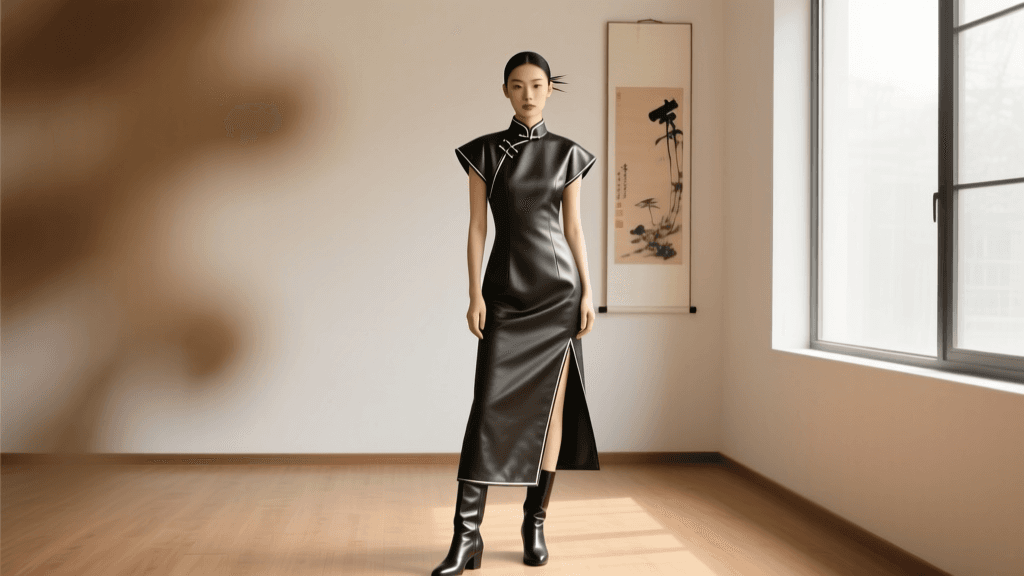
International brands have also refined their approach. Rather than relying on superficial dragon or phoenix motifs, contemporary couture houses are now collaborating directly with master artisans in Jiangsu and Zhejiang provinces. This collaboration ensures that the structural integrity and cultural significance of garments like the qipao (cheongsam) and the mamianqun (horse-face skirt) are respected while being reimagined for the modern red carpet.
Key Traditional Elements Translated to the Runway
To build a wardrobe that reflects this high-couture aesthetic, one must understand the core traditional elements that designers frequently adapt:
1. Su Xiu (Suzhou Embroidery)
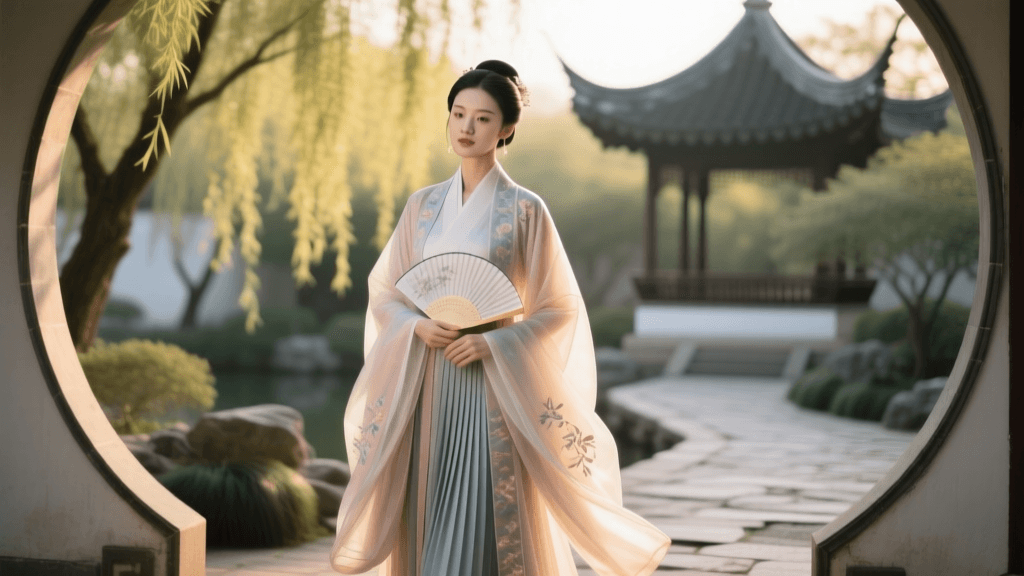
Originating from Jiangsu province, Su Xiu is renowned for its delicate, intricate needlework and the use of split silk threads to create photorealistic gradients. On the runway, Su Xiu is often used to create sweeping, dramatic capes or heavily embellished bodices. Authentic hand-embroidered Su Xiu requires immense time; a single square foot of high-density embroidery can take an artisan over a month to complete.
2. Yunjin (Cloud Brocade)
Nanjing Yunjin is a luxurious silk brocade historically reserved for imperial dragon robes. Woven with gold and silver threads, peacock feathers, and vibrant silk, Yunjin provides the structural stiffness required for dramatic couture silhouettes. According to the Heilbrunn Timeline of Art History, the complexity of Chinese silk weaving techniques like Yunjin has historically driven global textile innovation, and it remains a staple in structured couture jackets and voluminous skirts today.
3. Pankou (Frog Closures)
Pankou are intricately knotted fabric buttons used in place of zippers or standard buttons. In international couture, designers have scaled up Pankou, using them as dramatic waist cinchers, corset lacing, or oversized decorative elements on modern blazers and outerwear.
Practical Guide: Sourcing and Investing in Couture-Inspired Pieces
Acquiring authentic, couture-level Chinese garments requires navigating a specialized market. Whether you are commissioning a bespoke piece from a master tailor in Shanghai or sourcing vintage runway pieces, precise measurements and an understanding of fabric behavior are critical.
Commissioning Bespoke Tailoring
If you are commissioning a modern qipao or a Yunjin brocade jacket, standard sizing will not suffice. You must provide your tailor with specific, high-precision measurements:
- Hollow-to-Hem: Measure from the sternal notch (base of the neck) to the desired hemline. For a classic tea-length qipao, this is typically 44 to 48 inches.
- Shoulder Slope: Crucial for the mandarin collar. A standard drop is 1.5 inches, but couture tailors will measure the exact angle to prevent the collar from gaping.
- Seam Allowance: When working with fragile Yunjin brocade, request a 15mm to 20mm seam allowance to allow for future alterations and to prevent the stiff fabric from fraying at the stress points.
Lead Times and Costs
True couture is an exercise in patience. Bespoke hand-embroidered pieces require a lead time of 3 to 6 months. Machine-embroidered alternatives can be produced in 2 to 3 weeks but lack the dimensional depth and investment value of hand-stitched Su Xiu. Expect to pay between $2,500 and $15,000 for authentic, hand-embroidered couture garments, while high-quality Yunjin brocade jackets typically range from $800 to $3,500.
Data Table: Couture Elements & Investment Breakdown
| Element | Traditional Origin | Runway Application | Estimated Cost (USD) | Care & Maintenance |
|---|---|---|---|---|
| Su Xiu (Suzhou Embroidery) | Jiangsu Province | Haute Couture Gowns, Capes | $2,500 - $15,000+ | Dry clean only; store flat to prevent thread pulling. |
| Yunjin (Cloud Brocade) | Nanjing | Structured Jackets, Skirts | $800 - $3,500 | Avoid direct sunlight; use low-pressure steam. |
| Pankou (Frog Closures) | Nationwide | Necklines, Cuffs, Belts | $50 - $300 (Add-on) | Hand-wash gently; reshape knots while damp. |
| Jade Carved Buttons | Hetian / Myanmar | Couture Outerwear, Qipao | $200 - $2,000 per set | Wipe with a soft microfiber cloth; avoid chemicals. |
Styling Runway-Inspired Pieces for Modern Wardrobes
Translating the drama of the runway into wearable, everyday elegance requires a balanced approach to styling. The key is to let the traditional garment serve as the focal point while grounding it with modern, minimalist tailoring.
- The Brocade Blazer: Pair a structured Yunjin brocade jacket with wide-leg, high-waisted wool trousers in a neutral tone like charcoal or camel. This contrasts the opulence of the gold-threaded silk with the matte, utilitarian texture of modern suiting.
- The Embroidered Skirt: A heavily embroidered Su Xiu midi skirt can be styled with a simple, fitted cashmere turtleneck and sleek leather ankle boots. This prevents the outfit from looking like a costume and instead frames the embroidery as a piece of wearable art.
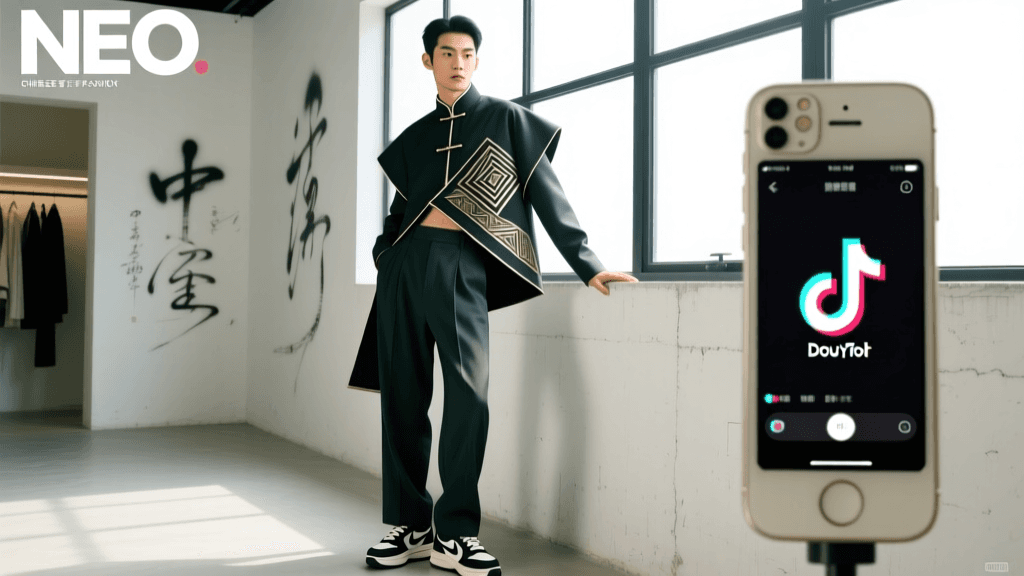
- Accessorizing with Pankou: If a full traditional garment feels too bold, incorporate Pankou details through accessories. Belts featuring oversized frog closures or modern handbags with knotted silk hardware offer a subtle nod to Chinese couture without overwhelming the silhouette.
Care and Preservation of Couture Textiles
Investing in high-end Chinese textiles requires meticulous care. Institutions like the Victoria and Albert Museum's Asian collections preserve historical textiles by strictly controlling light exposure and humidity. For private collectors, it is essential to store silk brocades and embroidered pieces in acid-free tissue paper within breathable cotton garment bags. Never hang heavy, embroidered garments on standard hangers, as the weight of the gold and silver threading will distort the silk warp over time. Instead, fold them carefully and store them flat in a climate-controlled environment to ensure these wearable masterpieces endure for generations.
By understanding the history, construction, and styling of Chinese couture elements, fashion enthusiasts can build a sophisticated, culturally rich wardrobe that honors the profound legacy of Asian traditions on the global stage.