Hanfu Guide: Weddings, Graduations & Traditional Festivals
The Renaissance of Hanfu in Modern Milestones
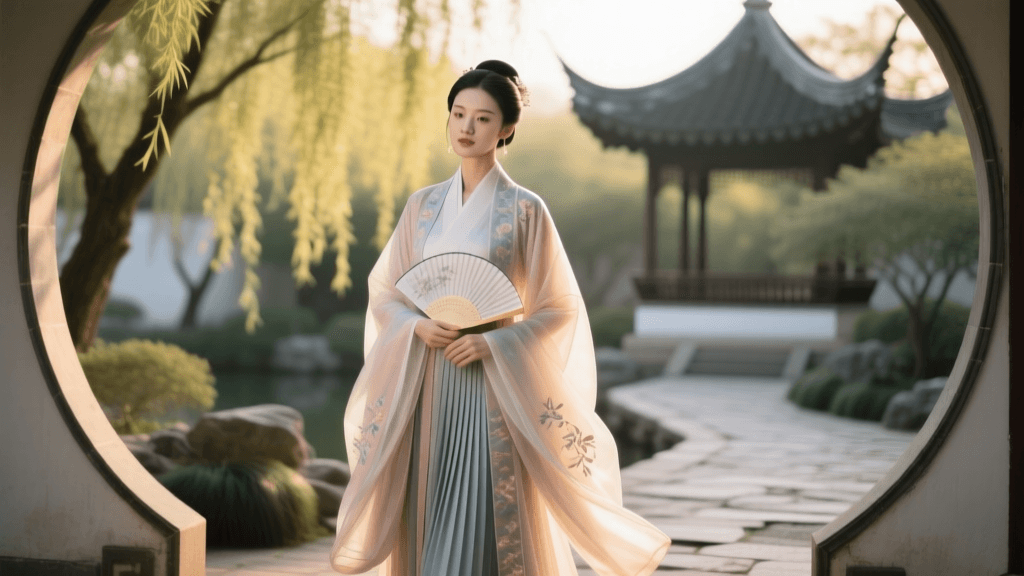
Over the past decade, the Hanfu movement has transformed from a niche historical reenactment hobby into a mainstream cultural phenomenon across Asia and the global diaspora. No longer confined to casual streetwear or social media photoshoots, traditional Han clothing is now the garment of choice for major life milestones. According to historical analyses documented by Wikipedia's comprehensive overview of Hanfu, the attire encompasses the diverse clothing systems of the Han ethnic group spanning over three millennia. Today, modern wearers are thoughtfully selecting dynasty-specific silhouettes to honor their heritage during weddings, university graduations, and major lunar festivals.
Choosing the right Hanfu for a special occasion requires an understanding of historical context, fabric weight, and practical mobility. This guide provides actionable advice on selecting, sizing, and styling traditional Chinese garments for your most important life events.
Hanfu for Weddings: Ming Dynasty Elegance
For traditional Chinese weddings, the Ming Dynasty (1368–1644) silhouette remains the undisputed gold standard. The Ming era introduced highly structured, regal garments that convey the gravity and auspiciousness of a marriage ceremony. The quintessential bridal ensemble is the Fengguan Xiapei (Phoenix Crown and Cloud Shoulder) paired with a Da Ao (long, wide-sleeved jacket) and a Mamianqun (horse-face skirt).
Key Garments and Styling
- Da Ao (Long Jacket): Typically crafted from heavy silk brocade or velvet, featuring a round or standing collar. The sleeves are wide and sweeping, often adorned with embroidered cuffs.
- Mamianqun (Horse-Face Skirt): As detailed in the historical records of the Mamianqun, this skirt features flat front and back panels with pleated sides. For weddings, the flat panels are heavily embroidered with auspicious motifs like dragons, phoenixes, and peonies.
- Yunjian (Cloud Shoulder): A decorative, detachable collar piece that rests over the shoulders, adding immense visual weight and royal elegance to the bride.
Costs and Timing
A high-quality, ready-to-wear Ming wedding set typically costs between $250 and $600 USD. However, for bespoke silk brocade sets with hand-embroidered motifs, prices can range from $1,200 to over $3,500 USD. Because bespoke Ming wedding Hanfu requires intricate embroidery and precise tailoring, you must place your order at least 3 to 4 months before the wedding date to allow for production and international shipping.
Hanfu for Graduations: Tang and Song Dynasty Grace
Graduation ceremonies require a delicate balance between photographic elegance and physical comfort. You will be walking across stages, sitting for long periods, and navigating crowded campuses, often in early summer heat. Therefore, the heavy layers of the Ming dynasty are usually swapped for the breathability of the Tang (618–907) or Song (960–1279) dynasties.
Tang Dynasty: Qixiong Ruqun
The Qixiong Ruqun (chest-high skirt) is a highly popular choice for summer graduations. The skirt is tied securely above the bust, creating an elongated, flowing silhouette that photographs beautifully. To ensure the skirt does not slip during the ceremony, look for modern iterations that include hidden silicone grip strips or elasticized back panels. Pair it with a lightweight, sheer Pibo (silk shawl) draped over the arms for a scholarly, ethereal look.
Song Dynasty: Beizi and Pleated Skirts
For a more understated, intellectual aesthetic, the Song Dynasty Beizi is ideal. The Beizi is a long, open-front jacket with straight, narrow sleeves. It is worn over a camisole and a lightweight pleated skirt. This silhouette is incredibly practical for graduation: the narrow sleeves will not drag across your diploma or get caught in chair armrests, and the straight cut offers a modern, minimalist elegance that pairs well with a traditional bamboo scholar's hat or a simple jade hairpin.
Festival Hanfu: Lunar New Year and Mid-Autumn
Festivals demand vibrant colors, seasonal appropriateness, and durability for outdoor activities and family gatherings.
Lunar New Year (Spring Festival)
Occurring in late winter or early spring, Lunar New Year Hanfu must prioritize warmth without sacrificing festivity. A lined Jiaoling Youren (cross-collared right-over-left top) paired with a thick, winter-weight Mamianqun is perfect. Opt for colors like crimson, maroon, and gold. Look for skirts woven with metallic threads or featuring flocked velvet textures. Layering is key: wear thermal under-layers (known as Zhongyi) in white or pale pink, allowing just a hint of the collar to peek out from the main garment.
Mid-Autumn Festival
Celebrated in early autumn, this moon-viewing festival calls for lighter, romantic silhouettes. Pastel colors, jade greens, and moon-white fabrics are highly appropriate. A Song Dynasty ensemble featuring a short Beizi over a flowing chiffon skirt mimics the gentle autumn breeze. Accessorize with a round silk fan and rabbit-motif hairpins to honor the folklore of the Moon Goddess, Chang'e.
Silhouette Comparison Chart for Occasions
Use the table below to quickly identify the best Hanfu style for your specific event, considering weather, mobility, and budget.
| Occasion | Dynasty & Silhouette | Key Features | Estimated Cost (USD) | Best Season |
|---|---|---|---|---|
| Wedding (Bride) | Ming: Da Ao + Mamianqun | Regal, heavy brocade, wide sleeves, cloud shoulder | $250 - $3,500+ | Autumn / Winter |
| Graduation | Tang: Qixiong Ruqun | Chest-high tie, flowing drape, lightweight chiffon | $60 - $180 | Spring / Summer |
| Graduation | Song: Beizi + Pleated Skirt | Narrow sleeves, open front, minimalist, highly mobile | $80 - $220 | Spring / Summer |
| Lunar New Year | Ming/Song: Lined Ao + Skirt | Cross-collar, warm lining, festive red/gold motifs | $120 - $300 | Winter |
| Mid-Autumn | Song: Short Beizi + Skirt | Breezy, pastel tones, romantic and lightweight | $70 - $150 | Early Autumn |
Practical Buying, Sizing, and Tailoring Guide
Unlike Western clothing, traditional Hanfu relies on flat pattern cutting. This means the garments are constructed from flat pieces of fabric with minimal darts or curved seams, resulting in a relaxed, draped fit. However, accurate measurements are still crucial for a polished look.
Essential Measurements
- Upper Bust (For Tang Qixiong Ruqun): Measure around the fullest part of your chest, but also measure directly under your armpits. The skirt must grip the upper ribcage securely to prevent wardrobe malfunctions.
- Natural Waist & Hips (For Ming Mamianqun): The horse-face skirt sits at the natural waist. Measure your waist at the narrowest point, and your hips at the widest. The skirt's flat panel width should be roughly one-third of your total waist circumference to ensure the pleats do not pull open when standing.
- Skirt Length: Measure from your natural waist down to your ankle bone. For formal occasions, the skirt should graze the top of your footwear. If you plan to wear traditional elevated cloud-toe shoes, add 2 to 3 inches to your length.
- Sleeve Length: Hanfu sleeves are measured from the center back of the neck, across the shoulder, and down to the fingertips. Standard formal sleeves should cover the hands entirely, while daily-wear sleeves end at the wrist.
The Shoulder Drop
Because Hanfu lacks structured shoulder seams, the shoulder line will naturally drop down your arm. This is historically accurate and intentional. Do not attempt to alter the shoulder seams to mimic Western tailoring, as this will ruin the drape of the collar and the flow of the sleeves.
Garment Care and Maintenance
Preserving your investment requires proper care. The cultural significance of these garments, as highlighted in global reports like the BBC's coverage of the Hanfu revival, makes them treasured heirlooms meant to last.
- Silk and Brocade: Never machine wash or aggressively wring silk brocades. Dry cleaning is highly recommended for Ming Dynasty wedding sets to preserve the metallic embroidery threads and structural integrity.
- Chiffon and Polyester Blends: Common in Tang and Song summer sets, these can be gently hand-washed in cold water with a pH-neutral silk detergent. Hang to dry in the shade; direct sunlight will fade the vibrant festival dyes.
- Storage: Store your Hanfu flat or folded with acid-free tissue paper between the layers to prevent permanent creasing in the pleats of the Mamianqun. Avoid wire hangers, which will distort the delicate neckline of the Da Ao.
By carefully selecting the appropriate dynasty, fabric, and silhouette, you can seamlessly integrate the profound beauty of Hanfu into your most cherished life milestones, honoring centuries of Asian tradition while creating unforgettable modern memories.