Mastering Kimono Layering: A Guide to Seasonal Dressing Techniques
The Philosophy of Seasonal Awareness in Japanese Dress
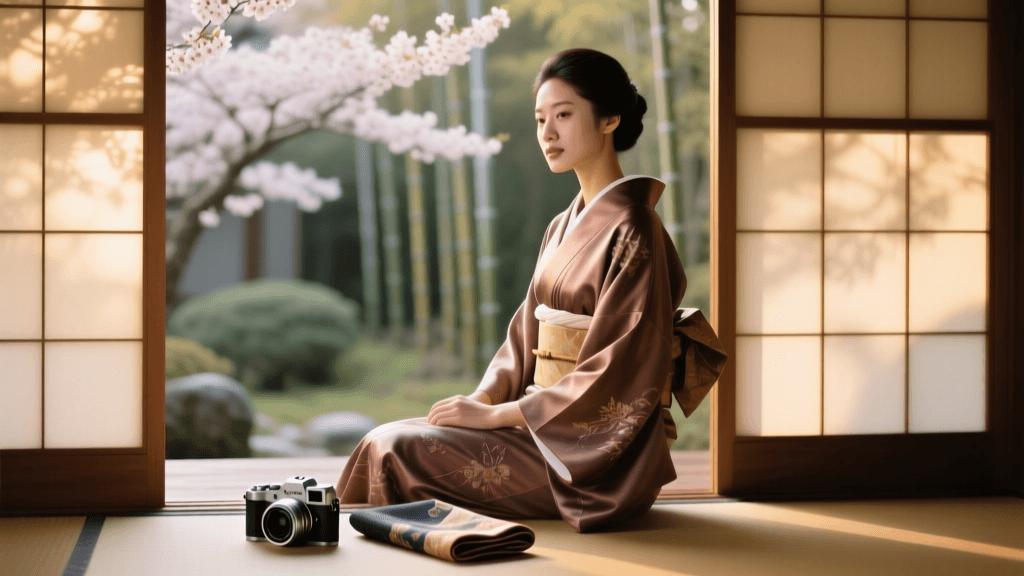
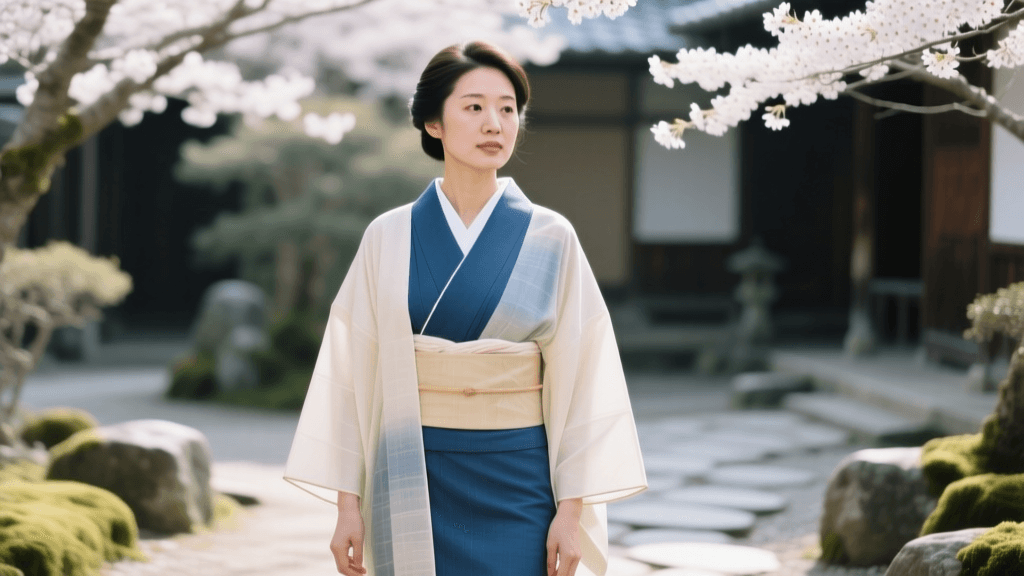
The Japanese kimono is far more than a static historical garment; it is a dynamic, living canvas that reflects the transient beauty of nature and the precise turning of the seasons. In traditional Japanese culture, wearing the correct garment for the exact time of year is not merely a matter of comfort, but a profound expression of cultural literacy and respect for the environment. This practice, deeply rooted in the concept of mono no aware (the ephemeral nature of things), dictates that one's attire should slightly anticipate the coming season rather than merely react to the current weather.
For modern enthusiasts and practitioners of kitsuke (the art of kimono dressing), mastering seasonal layering and fabric selection is the ultimate milestone. According to The Victoria and Albert Museum, the kimono's T-shaped structure allows for remarkable versatility, enabling the wearer to adjust layers, undergarments, and accessories to suit everything from the freezing depths of a Kyoto winter to the sweltering humidity of a Tokyo August. This guide will walk you through the practical techniques, fabric categories, and precise measurements required to master seasonal kimono dressing year-round.
Understanding Koromogae: The Seasonal Wardrobe Transition
Koromogae translates to 'changing clothes' and historically refers to the official dates when the imperial court and, later, the general public transitioned their wardrobes. While modern climate control has blurred these strict boundaries, traditionalists and formal occasions still adhere to the classic calendar. The year is divided into three primary fabric seasons, each requiring distinct dressing techniques, undergarments, and obi selections.
1. Awase (Lined Kimono): October through May
The awase is a fully lined kimono, designed to trap body heat during the colder months. The lining, typically made of smooth habutai silk or modern cupro, reduces friction against the nagajuban (under-kimono). When dressing in an awase, the bulk of the two fabric layers requires careful management at the waist. The standard ohashori (the waist fold) must be precisely 5 to 7 centimeters deep to accommodate the thicker fabric without creating an unsightly bulge.
2. Hitoe (Unlined Kimono): June and September
During the transitional months of early summer and early autumn, the hitoe takes center stage. Completely unlined, the hitoe allows for breathability while maintaining the formal, opaque appearance required for most daytime events. Because there is no lining, the internal seams are finished with intricate kuke (blind stitching). Dressing a hitoe requires a lighter touch; the koshihimo (waist ties) must be secured firmly but without pulling the delicate single-layer silk out of alignment.
3. Usumono (Sheer Summer Kimono): July and August
At the height of summer, wearers transition to usumono, which includes ro (leno weave with horizontal slits) and sha (gauze weave) silks. These garments are highly transparent, making the choice of undergarment critical. The nagajuban must also be made of sheer ro or sha silk, or a specialized high-tech cooling mesh. As noted by Japan Guide's comprehensive overview of traditional clothing, summer dressing is an exercise in visual coolness, where the glimpse of a beautifully dyed under-layer through the sheer outer garment is considered the height of sartorial elegance.
Seasonal Kimono Dressing Guide and Cost Breakdown
Building a year-round kimono wardrobe requires strategic investments. Below is a practical breakdown of seasonal requirements, including estimated costs for vintage and modern artisan pieces in USD.
| Season / Months | Outer Garment | Undergarment (Juban) | Obi Type | Est. Cost (Vintage) | Est. Cost (New Artisan) |
|---|---|---|---|---|---|
| Winter (Dec - Feb) | Awase (Lined Silk) | Padded Juban + Mura-kumo | Fukuro (Heavy Brocade) | $80 - $250 | $800 - $2,500+ |
| Spring (Mar - May) | Awase (Crepe / Rinzu) | Standard Silk Juban | Fukuro / Nagoya | $60 - $200 | $600 - $1,800 |
| Early Summer (Jun) | Hitoe (Unlined Tsumugi) | Cotton / Ro-mesh Juban | Nagoya (Unlined) | $40 - $150 | $400 - $1,200 |
| Peak Summer (Jul - Aug) | Usumono (Ro / Sha) | Sheer Ro / Sha Juban | Ro / Sha Nagoya | $50 - $180 | $500 - $1,500 |
| Autumn (Sep - Nov) | Hitoe transitioning to Awase | Standard Silk Juban | Nagoya / Fukuro | $60 - $200 | $600 - $1,800 |
The Art of Kasane: Layering Colors and Textures
Layering, or kasane, is historically rooted in the Heian period practice of kasane no irome (layered color combinations). While modern kimono dressing rarely features the twelve-layered jūnihitoe, the principle of revealing subtle layers remains vital. The most common application of kasane today is seen at the collar (eri) and the hem (suso).
When dressing for formal winter occasions, a hiyoku (a false under-layer) is often attached to the hem and collar of the kimono. This gives the illusion of wearing two distinct kimono layered over one another. For practical, everyday dressing, layering is achieved through the coordination of the han-eri (decorative collar) and the date-eri (false collar). In winter, rich, textured chirimen (crepe) collars in deep plum or pine green are paired with gold-threaded obijime (cords). In summer, the han-eri is swapped for sheer ro fabric featuring embroidered cool-water motifs or glass-like tonbo (dragonflies).
Practical Kitsuke: Adjusting Measurements for Seasonal Bulk
The physical act of dressing (kitsuke) must adapt to the changing volume of seasonal garments. A technique that works perfectly for a thin summer yukata will fail disastrously with a heavy winter awase.
Winter Padding and Proportions
Traditional Japanese aesthetics favor a cylindrical, column-like silhouette, devoid of pronounced curves. In winter, the natural bulk of the lined kimono and heavy obi helps achieve this. However, for slender wearers, supplemental padding is required.
- Wafu Padding: Wrap-around cotton or sponge pads are tied around the waist and hips to create a uniform tube shape. This prevents the heavy winter obi from slipping down the natural curve of the lower back.
- The Ohashori Calculation: Because winter fabrics are thick, the ohashori (waist fold) will consume more fabric. You must pull the kimono up approximately 3-4 centimeters higher than you would in summer before tying the first koshihimo to ensure the final visible fold is exactly 5 cm.
- Himo Placement: Use wider, softer koshihimo (waist ties) in winter to distribute pressure over the bulky layers without cutting into the silk or causing discomfort.
Summer Cooling and Slip Prevention
Summer dressing presents the opposite challenge: managing extreme thinness and combating humidity. Sheer ro and sha fabrics offer zero friction, meaning the kimono and obi are highly prone to slipping.
- The Magic of the Datejime: In summer, a rigid, breathable datejime (wide under-belt) made of woven hemp or modern cooling mesh is essential. It must be tied tightly directly over the nagajuban to anchor the sheer outer kimono.
- Anti-Slip Belts: Modern kitsuke often utilizes silicone-grip belts (such as the popular Corin Belt) beneath the obi. These cost around $25-$40 and are lifesavers for keeping lightweight summer obi from drooping in high humidity.
- Cooling Undergarments: Instead of traditional silk, modern dressers use hadajuban made from specialized moisture-wicking synthetics or chilled bamboo fibers. A koshimaki (waist wrap) of crisp, cool linen is worn over the hips to prevent the sheer kimono from clinging to the legs when sweating.
Sourcing, Costs, and Modern Adaptations
Acquiring a full seasonal wardrobe can be daunting, but the rise of the online vintage market and modern textile innovations has made it more accessible. According to The Metropolitan Museum of Art's Heilbrunn Timeline of Art History, the evolution of Japanese textiles has always been marked by technological adaptation, and today is no different.
For beginners, sourcing vintage awase kimono from online auction houses or specialized exporters in Kyoto is highly cost-effective, often yielding beautiful mid-century silk pieces for under $100. However, vintage summer usumono is notoriously fragile; the leno weaves can easily snag or tear along the shoulder seams. Therefore, many modern practitioners opt for newly manufactured polyester ro kimono for summer. While purists may debate the use of synthetics, modern washable poly-sheer offers incredible durability, drapes beautifully, and costs between $150 and $300 brand new, completely eliminating the expensive dry-cleaning bills associated with delicate summer silks.
Essential Seasonal Accessories
No seasonal kitsuke is complete without the correct accessories, which serve both functional and aesthetic purposes:
- Winter: A shiraga (white silk) fan is used for formal greetings, while a plush obi-dome (obi clasp) featuring cloisonné or carved coral adds a touch of warmth. Outerwear like the haori (jacket) or michiyuki (coat) becomes mandatory when traveling outdoors.
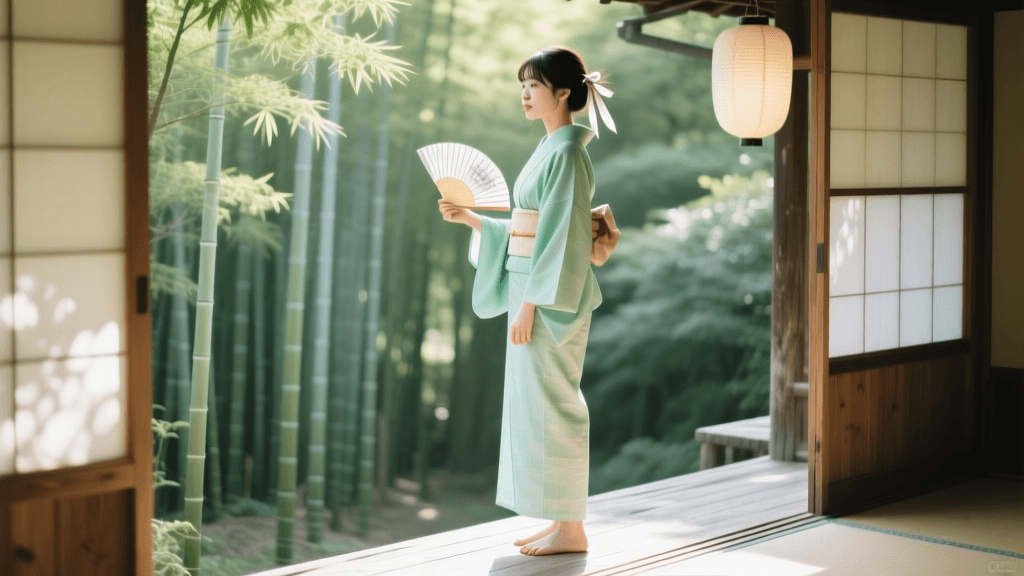
- Summer: A folding sensu (paper fan) is tucked into the obi for practical cooling. An uchiwa (rigid round fan) is often carried as a prop. Hair ornaments (kanzashi) shift to glass, tortoiseshell, or carved wood to visually suggest coolness and transparency.
Conclusion
Mastering the seasonal wear and dressing techniques of the kimono is a deeply rewarding journey that connects the wearer to centuries of Japanese aesthetic philosophy. By understanding the structural differences between awase, hitoe, and usumono, and by adjusting your kitsuke measurements to accommodate seasonal bulk and slip-factor, you ensure both comfort and cultural accuracy. Whether you are layering heavy brocades against the winter chill or donning sheer sha silk to catch the summer breeze, the kimono remains a profound, wearable celebration of the turning earth.