Exploring China's Top Hanfu Museums and Heritage Exhibitions
The Renaissance of Hanfu in Museum Spaces
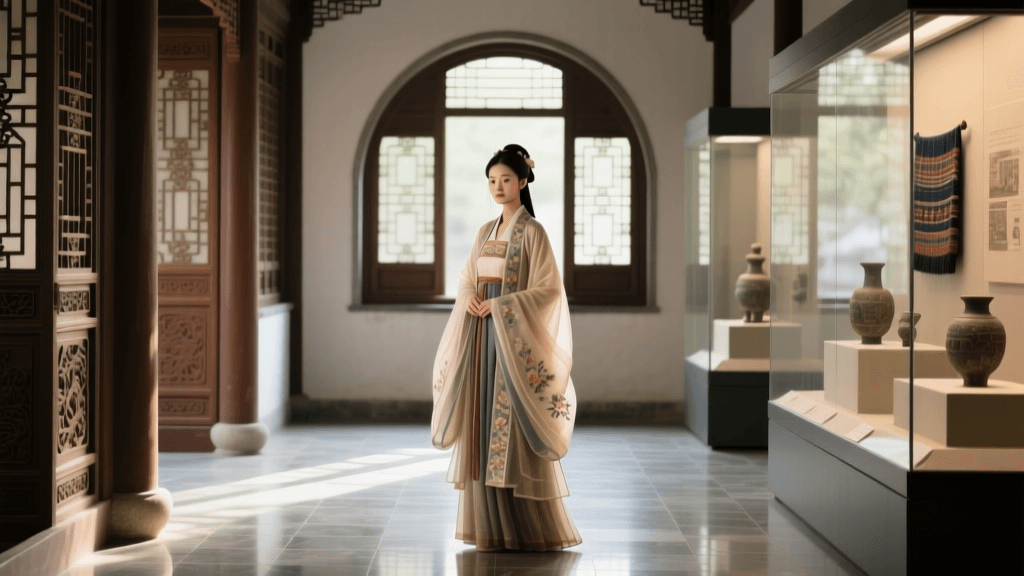
The intersection of historical preservation and the modern Hanfu movement has fundamentally transformed China’s textile museums from quiet academic repositories into vibrant, living cultural hubs. Over the past decade, a growing fascination with traditional Chinese clothing has led millions of enthusiasts to seek out the authentic origins of their garments. Today, heritage sites and cultural exhibitions serve as the ultimate pilgrimage destinations for those looking to understand the structural, artistic, and historical depths of Hanfu. For the cultural traveler, visiting these institutions offers an unparalleled opportunity to witness the evolution of Chinese textiles—from the delicate silk gauzes of the Han Dynasty to the opulent, gold-woven brocades of the Ming and Qing eras.
According to the UNESCO Silk Roads Programme, the preservation of textile heritage is intrinsically linked to the historical trade routes that facilitated cross-cultural exchange across Asia. Museums along these routes now act as custodians of both the physical garments and the intangible weaving techniques that created them. This guide provides a comprehensive, actionable overview of China’s premier Hanfu and textile heritage sites, equipping you with the practical knowledge needed to plan an immersive cultural expedition.
Top Hanfu and Textile Heritage Sites in China
When curating a Hanfu-focused itinerary, three major institutions stand out for their extensive collections, conservation efforts, and interactive exhibitions. Each offers a distinct lens through which to view traditional Chinese dress.
1. China National Silk Museum (Hangzhou)
Located near the scenic West Lake, the China National Silk Museum (CNSM) is the largest silk museum in the world and a cornerstone of textile heritage. The museum’s permanent exhibitions trace the 5,000-year history of Chinese silk, but it is the rotating conservation exhibitions that truly captivate Hanfu enthusiasts. Here, visitors can observe the painstaking restoration of fragile Ming Dynasty Mamianqun (horse-face skirts) and Song Dynasty Beizi (parallel-collar jackets). The CNSM frequently hosts immersive exhibitions where historical garments are paired with the raw materials and wooden looms used to create them, providing a tactile understanding of traditional fabric weights and draping properties.
2. The Palace Museum (Beijing)
While the Forbidden City is globally renowned for its imperial architecture, its textile archives are equally breathtaking. The Palace Museum houses tens of thousands of imperial garments, offering a masterclass in the strict sumptuary laws that dictated Hanfu and court dress during the Ming and Qing dynasties. As highlighted by The Palace Museum official portal, the institution regularly curates specialized exhibitions focusing on imperial weaving bureaus, showcasing intricate Buzi (rank badges) and the heavy, structured silks reserved for the royal family. The sheer scale of the embroidery and the use of peacock feather yarns and gold threads provide vital reference points for modern Hanfu artisans attempting to replicate historical formal wear.
3. Suzhou Silk Museum (Suzhou)
Suzhou has been the epicenter of China’s silk production for centuries, and its dedicated Silk Museum bridges the gap between historical artifacts and living heritage. Unlike larger national museums, the Suzhou Silk Museum emphasizes the mechanical and technical aspects of garment creation. Visitors can watch master weavers operate traditional wooden draw-looms to create Kesi (cut silk) tapestries and Song brocades. The Metropolitan Museum of Art's Heilbrunn Timeline of Art History notes that the complexity of Chinese silk weaving techniques, such as the discontinuous weft used in Kesi, represents one of the highest achievements in global textile history. Seeing these techniques performed live is essential for understanding the stiffness and structural integrity of historical Hanfu fabrics.
Comparative Guide to Hanfu Heritage Exhibitions
To help you prioritize your itinerary, below is a structured comparison of these premier heritage sites, detailing their specific focus, costs, and optimal visiting conditions.
| Museum / Heritage Site | Location | Key Hanfu / Textile Focus | Estimated Cost | Best Time to Visit |
|---|---|---|---|---|
| China National Silk Museum | Hangzhou | Silk weaving, Song/Ming reproductions, conservation labs | Free (Reservation required) | Spring (March-May) |
| The Palace Museum | Beijing | Imperial court dress, rank badges, Ming/Qing brocades | 60 RMB (Peak) / 40 RMB (Off-peak) | Autumn (September-October) |
| Suzhou Silk Museum | Suzhou | Song brocade, Kesi tapestry, traditional loom demonstrations | Free | Year-round (Avoid national holidays) |
Practical Guide: Planning Your Hanfu Museum Tour
Visiting these heritage sites requires strategic planning, particularly if you intend to wear Hanfu during your tour. The modern Hanfu movement has deeply influenced museum policies, and understanding the logistics will vastly improve your experience.
Timing and Ticketing Strategies
China’s top museums operate on strict daily capacity limits and require advance digital booking. For the Palace Museum, tickets must be reserved exactly 7 days in advance via their official WeChat mini-program; they routinely sell out within minutes during peak seasons. The China National Silk Museum and Suzhou Silk Museum are free but still require advance registration through their respective WeChat portals to generate a QR code for entry. To avoid the crushing crowds of China’s national holidays (such as the Golden Week in October or the Spring Festival), plan your textile tour for mid-week days in late April or early November. Arriving right at opening time (usually 8:30 AM or 9:00 AM) allows you to photograph the garments in the exhibition halls before the lighting shifts and crowds gather.
Wearing Hanfu to Heritage Sites: Etiquette and Rentals
Museums in Hangzhou, Suzhou, and Beijing are highly welcoming to visitors wearing Hanfu, viewing it as a form of cultural appreciation. However, strict preservation etiquette must be followed. Flash photography is universally prohibited, as intense light degrades centuries-old natural dyes. Furthermore, visitors are asked not to touch any un-glassed exhibits or lean against display cases, as the oils from skin and the friction from heavy embroidered sleeves can cause irreversible damage.
If you are traveling without your own garments, premium Hanfu rental boutiques are clustered around major heritage sites. Near Hangzhou’s West Lake and the Silk Museum, expect to pay between 200 and 500 RMB for a full-day rental of a high-quality, historically accurate Ming Dynasty Mamianqun set, which includes professional hair styling and makeup. In Beijing, rental shops along Qianmen Street offer thick, winter-lined Doukou (cloaks) and heavy brocades suitable for the sprawling, wind-swept courtyards of the Forbidden City, typically costing around 300 to 600 RMB.
Essential Items for a Hanfu Museum Day-Trip
Wearing traditional, multi-layered garments while navigating expansive museum complexes requires practical preparation. Pack the following items to ensure comfort and garment care:
- Portable Handheld Steamer: Essential for removing wrinkles from silk skirts after transit, as museum cloakrooms rarely offer steaming services.
- Anti-Slip Skirt Clips: Traditional wrap skirts can loosen during long walks; discreet metal clips help secure the waistband without damaging the fabric.
- Cotton Under-layers (Zhongyi): Museums in Beijing and Suzhou can be heavily air-conditioned or drafty; breathable cotton base layers protect both your skin and the delicate outer silks from perspiration.
- Soft-Soled Embroidered Shoes: You will easily walk 15,000 to 20,000 steps in a single day. Traditional cloth shoes look authentic but lack arch support; opt for modern sneakers with hidden platform inserts that mimic the height of historical footwear while providing orthotic support.
The Role of Intangible Cultural Heritage (ICH) in Exhibitions
A critical element of modern Hanfu exhibitions is the integration of Intangible Cultural Heritage (ICH). Museums no longer merely display the final garment; they showcase the human hands that crafted it. At the Suzhou Silk Museum, the rhythmic clacking of wooden draw-looms operated by state-recognized master weavers provides a sensory backdrop to the visual exhibits. This living exhibition model allows visitors to understand the immense time and labor required to produce historical textiles. A single inch of complex Kesi tapestry, often used for the collars and cuffs of high-ranking Hanfu, can take an artisan several days to weave. By witnessing this process, modern consumers and Hanfu enthusiasts gain a profound respect for the pricing and structural value of authentic, hand-woven traditional garments.
Conclusion
China’s Hanfu museums and textile heritage sites offer far more than a glimpse into the past; they provide a vital, living education on the artistry, engineering, and cultural significance of traditional Asian dress. Whether you are studying the drape of a Song Dynasty jacket in Hangzhou, marveling at imperial embroidery in Beijing, or listening to the looms in Suzhou, these institutions are indispensable resources for anyone passionate about traditional garments. By planning ahead, respecting preservation protocols, and engaging with the living artisans on site, your museum tour will profoundly deepen your appreciation for the intricate world of Hanfu.