The Ultimate Guide to New Chinese Style (Xin Zhongshi) Fashion
What is New Chinese Style (Xin Zhongshi)?
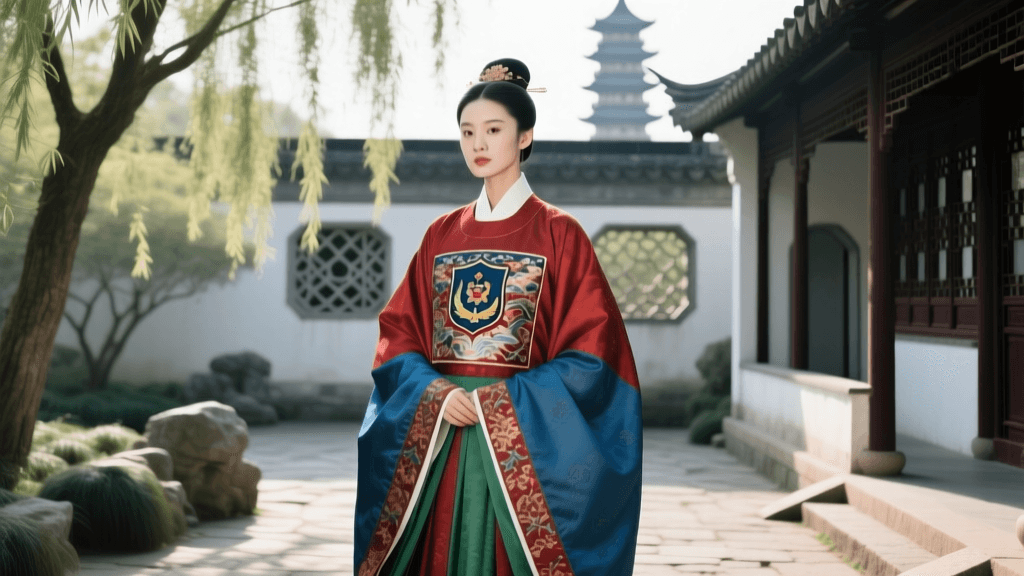
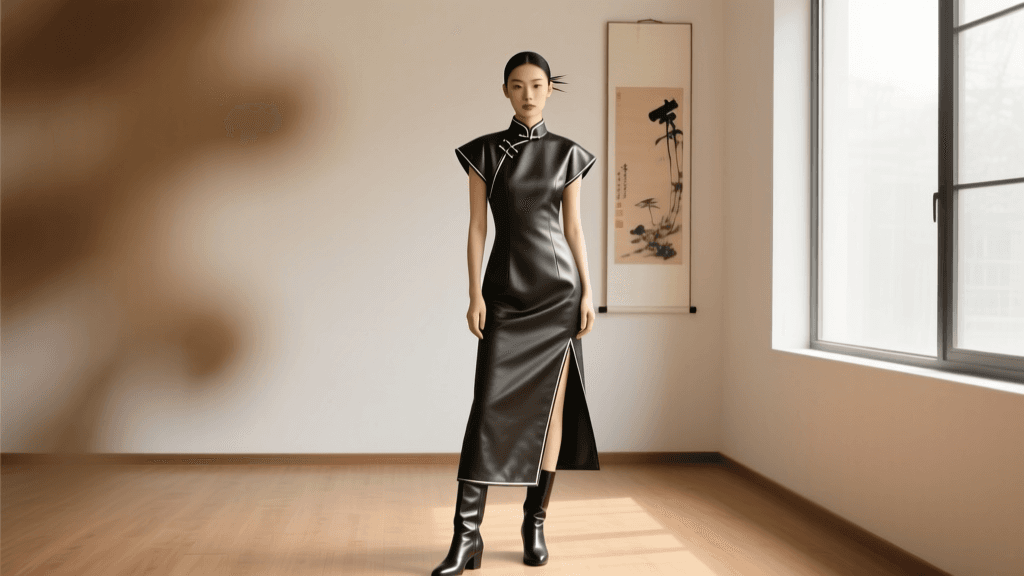
Over the past few years, a sartorial revolution has taken over the streets of Shanghai, Beijing, and Chengdu, eventually spilling onto global runways and social media feeds. Known as Xin Zhongshi (新中式), or 'New Chinese Style,' this fashion movement represents a sophisticated fusion of traditional Chinese sartorial heritage and contemporary, everyday silhouettes. Unlike the Hanfu movement, which focuses on historical accuracy and full traditional dress, or the Qipao, which is often reserved for formal events, Xin Zhongshi is designed for the modern, dynamic lifestyle.
According to industry insights from Jing Daily, the New Chinese Style trend is heavily driven by Gen Z and Millennial consumers who seek to express cultural pride without sacrificing modern comfort or streetwear edge. It takes classic motifs—such as the Mandarin collar, frog buttons, and traditional brocades—and applies them to oversized blazers, slip dresses, wide-leg trousers, and even denim. The result is a versatile, elevated wardrobe that bridges the gap between ancient craftsmanship and modern minimalism.
Core Design Elements of Xin Zhongshi
To successfully build a New Chinese Style wardrobe, you must understand the foundational elements that define the aesthetic. Here are the key components to look for when shopping or styling:
1. The Modified Mandarin Collar (Li Ling)
The traditional Mandarin collar can sometimes feel restrictive. In Xin Zhongshi, designers modify the height and stiffness. For everyday comfort, look for collars measuring between 3.5cm and 4.5cm in height. This provides the elegant, elongated neck silhouette characteristic of Chinese tailoring without the choking sensation of rigid, traditional formalwear. Many modern iterations also feature a subtle V-notch at the center front for added breathability.
2. Pankou (Frog Buttons)
Pankou are the intricate, knotted fabric buttons used as fasteners. While traditional Pankou are hand-rolled from silk, New Chinese Style often incorporates modern materials like resin, metal, or jade accents to give the garment a contemporary edge. You will frequently see oversized Pankou used as decorative elements on the cuffs, hemlines, or back panels of modern jackets.
3. Heritage Textiles: Song Brocade and Xiangyunsha
Fabric choice is paramount. Song Brocade (Song Jin) offers a subtle, matte sheen with intricate geometric or floral patterns, perfect for structured outerwear. Xiangyunsha (Gambiered Canton Gauze) is a luxurious, breathable silk dyed with plant extracts and river mud. It has a distinct, slightly crinkled texture and a dark, earthy color palette that perfectly aligns with the modern 'quiet luxury' aesthetic.
Building a Xin Zhongshi Capsule Wardrobe
Transitioning into this trend does not require a complete wardrobe overhaul. The secret to Xin Zhongshi is the 'anchor and balance' technique: pair one strong traditional piece with neutral, contemporary basics. As highlighted by South China Morning Post's fashion coverage, the most stylish adopters of this trend mix high-low elements, combining heritage silks with casual denim or cotton.
Below is a practical blueprint for building a versatile New Chinese Style capsule wardrobe, complete with styling advice and estimated market costs.
| Garment Type | Traditional Element | Modern Styling Pairing | Estimated Cost (USD) |
|---|---|---|---|
| Structured Jacket | Song Brocade fabric, Pankou closures | Pair with a plain white tee, straight-leg vintage denim, and leather loafers. | $80 - $250 |
| Modified Qipao Top | Mandarin collar, side slits, silk blend | Tuck into high-waisted, wide-leg linen trousers; add a minimalist leather belt. | $50 - $150 |
| Pleated Midi Skirt | Traditional landscape embroidery at hem | Wear with an oversized, chunky knit sweater and modern ankle boots. | $60 - $180 |
| Xiangyunsha Shirt | Gambiered silk, relaxed drop-shoulder | Layer over a black turtleneck in autumn; pair with tailored wool trousers. | $150 - $400 |
The Buyer’s Guide: Sourcing Authentic Pieces
While luxury designers like Samuel Guì Yang and Uma Wang have championed the New Chinese Style on international runways, the most accessible and diverse pieces are found on Chinese e-commerce platforms like Taobao, Weidian, and Xiaohongshu. Market analyses on the Business of Fashion note that China's domestic fashion market is highly responsive to micro-trends, meaning independent studios release high-quality, limited-run Xin Zhongshi pieces weekly.
Essential Search Keywords for Taobao
To find authentic pieces and avoid cheap, mass-produced costume replicas, use these specific Chinese search terms:
- 新中式 (Xin Zhongshi): The umbrella term for New Chinese Style.
- 宋锦外套 (Song Jin Wai Tao): Song Brocade outerwear/jackets.
- 改良旗袍 (Gai Liang Qi Pao): Modified Qipao (usually features more relaxed fits, shorter lengths, or mixed fabrics).
- 香云纱 (Xiang Yun Sha): Gambiered Canton Gauze silk.
- 盘扣上衣 (Pan Kou Shang Yi): Tops featuring frog button closures.
Timing Your Purchases
For heritage fabrics like Xiangyunsha, timing is everything. The traditional dyeing process relies on intense sunlight and specific humidity levels, meaning authentic production only happens between April and October in Guangdong province. To secure the best selection of authentic summer silks, shop during the pre-season sales in March and April. For heavy brocade winter jackets, look for independent studio pre-orders in September.
Garment Care and Maintenance
Investing in Xin Zhongshi means investing in specialized textiles. Improper care can ruin the structural integrity of heritage fabrics.
Caring for Xiangyunsha (Gambiered Silk)
Xiangyunsha is unique because it actually improves and softens with age and wear, developing a beautiful patina. However, it requires specific care:
- Washing: Hand wash only in cold water (below 30°C) using a pH-neutral silk detergent. Never soak for more than 3 minutes.
- Drying: Hang dry in the shade. Direct sunlight will degrade the natural plant dyes and mud coatings.
- Storage: Never store Xiangyunsha in plastic garment bags. The fabric needs to 'breathe.' Use cotton canvas bags and store in a cool, dry place. Avoid folding to prevent permanent creases in the coated silk.
Maintaining Structured Brocades
Song brocade and heavily embroidered jackets should be dry-cleaned only. The metallic threads and complex weave structures can warp or snag in water. When ironing, always use a pressing cloth on a low-heat silk setting, and never apply direct steam to the frog buttons, as the internal wiring or stiffening agents can melt or lose their shape.
The Cultural Impact and Future of the Trend
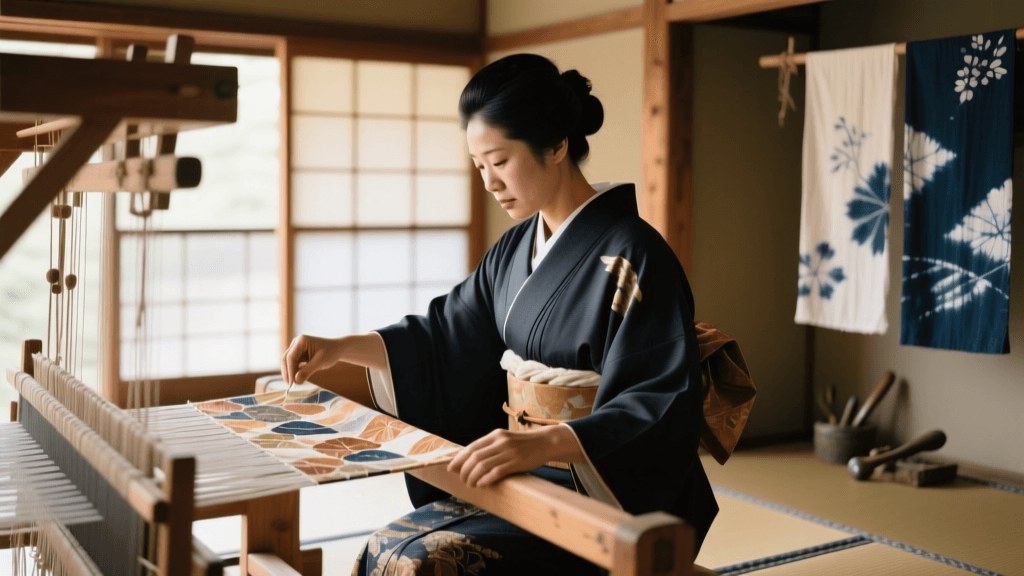
The Xin Zhongshi movement is more than a fleeting fashion trend; it is a cultural reclamation. It allows younger generations to engage with their heritage on their own terms, stripping away the rigidity of historical dress codes and replacing them with personal expression. By integrating traditional craftsmanship into daily life, consumers are actively supporting artisan communities, from the silk weavers in Suzhou to the mud-dyers in Guangdong.
As global fashion continues to seek out sustainability, craftsmanship, and narrative depth, New Chinese Style offers a masterclass in how to honor the past while designing for the future. Whether you are adding a subtle Pankou-fastened cardigan to your office rotation or investing in a full Xiangyunsha ensemble, Xin Zhongshi provides a timeless, elegant vocabulary for the modern wardrobe.