Japanese Wedding Kimono Guide: Shiromuku & Irouchikake
The Enduring Elegance of Japanese Bridal Fashion
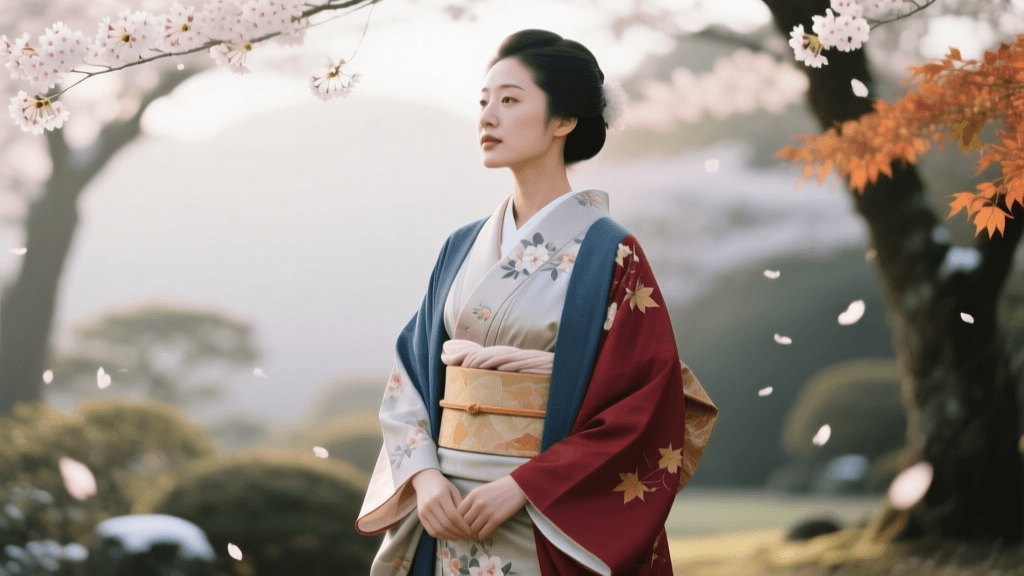
Japanese weddings are a profound blend of Shinto rituals, familial duty, and contemporary celebration. At the heart of these ceremonies lies the bridal kimono, a garment steeped in centuries of cultural symbolism, meticulous craftsmanship, and regional artistry. Unlike Western bridal fashion, which typically centers on a single white gown, a traditional Japanese bride may change outfits multiple times throughout her wedding day, with each garment serving a distinct ceremonial purpose. From the pure white Shiromuku worn during the sacred Shinto vows to the vibrantly embroidered Irouchikake showcased at the reception, Japanese bridal fashion is a masterclass in sartorial storytelling. As noted by The Metropolitan Museum of Art, the evolution of the kosode into the elaborate outer robes of the Edo period laid the foundation for the breathtaking wedding ensembles we see today. This comprehensive guide explores the specific types of ceremonial kimono, their cultural significance, and practical advice for modern brides navigating rentals, measurements, and styling.
Shiromuku: The Purity of White
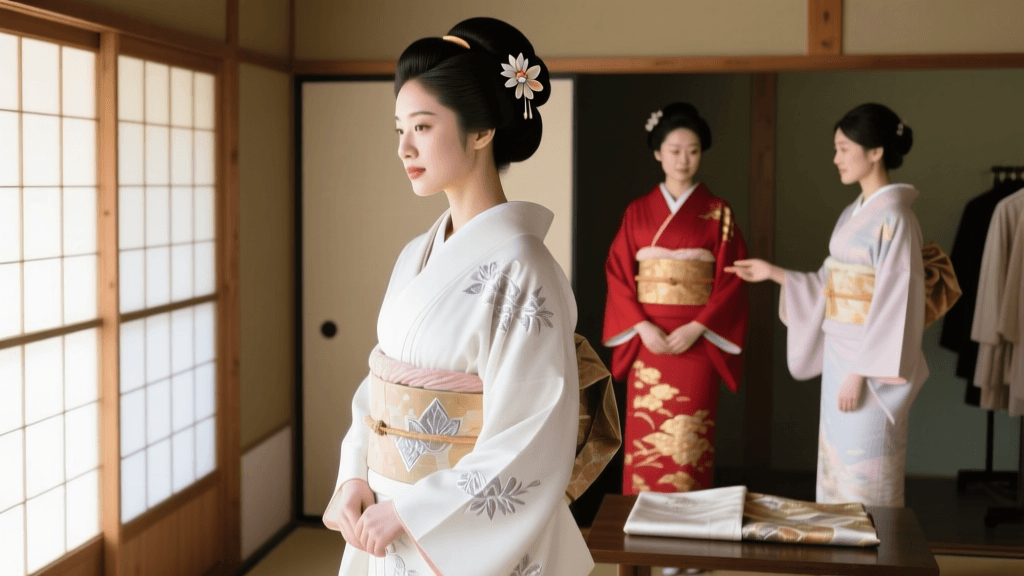
The Shiromuku (白無垢) is the most formal and traditional wedding kimono, worn exclusively during the Shinto wedding ceremony. The term translates to 'pure white,' and the entire ensemble—from the outer uchikake robe and the inner kakeshita kimono to the obi sash and undergarments—is entirely white. Historically, white in Japanese culture symbolizes purity, innocence, and the bride's willingness to be 'dyed' in the colors and traditions of her new husband's family. The Shiromuku is not merely a flat white canvas; it features intricate, tone-on-tone woven patterns, often depicting auspicious motifs like cranes (tsuru), pine trees (matsu), and plum blossoms (ume). According to the Victoria and Albert Museum, the mastery of Nishijin-ori weaving in Kyoto allows artisans to create these subtle, shimmering textures that catch the light beautifully in the dim, sacred atmosphere of a Shinto shrine.
Headpieces: Wataboshi and Tsunokakushi
The Shiromuku is paired with one of two traditional headpieces. The Wataboshi is a large, white, dome-shaped hood that covers the bride's head, historically meant to shield her from evil spirits and hide her face from everyone but her groom until the ceremony concludes. Alternatively, the Tsunokakushi is a white silk band wrapped around the head. The name translates to 'horn-hiding,' a playful reference to hiding the 'horns' of jealousy or selfishness, symbolizing the bride's commitment to being a gentle and obedient wife.
Irouchikake: Vibrant Symbolism and Color
Following the solemn Shinto ceremony, the bride typically changes into an Irouchikake (色打掛) for the wedding reception. Unlike the stark white Shiromuku, the Irouchikake is a heavily padded, lavishly decorated outer robe worn open over a colorful inner kimono. The hem is padded with cotton or silk wadding (fukiwata), allowing the heavy brocade to trail elegantly on the floor. The Irouchikake is a canvas for Japan's most exquisite textile arts, including Yuzen dyeing, gold leaf application (surihaku), and intricate embroidery. Popular color palettes include deep reds, rich golds, and regal blacks, often featuring the 'shochikubai' (pine, bamboo, and plum) motif, which represents resilience, prosperity, and longevity. Recent cultural exhibitions, such as those covered by The Japan Times, emphasize how these vibrant garments serve as wearable art, reflecting the family's status and the bride's personal aesthetic.
Hiki-Furisode: The Trailing Sleeves of Celebration
The Hiki-Furisode (引き振袖) is another stunning option for the wedding reception or the after-party. Originally the formal wear for unmarried women, the furisode is characterized by its long, swinging sleeves. The 'hiki' (trailing) version features an elongated hem that sweeps the floor, mimicking the grandeur of the uchikake but with a more structured, tied obi. Black Hiki-Furisode with vibrant gold and red embroidery were particularly popular among samurai-class brides in the Edo period and have seen a massive resurgence in modern vintage and retro-styled weddings. It offers a slightly more mobile, yet equally formal, alternative to the heavy Irouchikake.
Comparison Chart: Choosing Your Bridal Kimono
Selecting the right garment depends on the ceremony type, venue, and personal comfort. Below is a structured comparison to help brides make an informed decision.
| Garment Type | Primary Color / Style | Best Worn For | Avg. Rental Cost (USD) | Approx. Weight |
|---|---|---|---|---|
| Shiromuku | Pure White, Tone-on-tone | Shinto Shrine Ceremony | $1,500 - $2,500 | 15-20 lbs |
| Irouchikake | Red, Gold, Black, Brocade | Wedding Reception | $1,200 - $2,200 | 18-25 lbs |
| Hiki-Furisode | Black or Vibrant Patterns | Reception / After-Party | $800 - $1,500 | 10-15 lbs |
Practical Guide: Costs, Timing, and Measurements
Renting vs. Buying: Understanding the Costs
Purchasing a brand-new, high-quality bridal kimono ensemble can easily exceed ¥1,500,000 ($10,000 USD), making renting the most practical and popular choice for modern couples. A comprehensive rental package from a specialized bridal kimono salon typically ranges from ¥250,000 to ¥500,000 ($1,700 to $3,400 USD). This package generally includes the Shiromuku, Irouchikake, all necessary undergarments (nagajuban), the obi, accessories, professional hair and makeup, and the services of a licensed kitsuke (kimono dressing) artist. If you are on a strict budget, consider booking a salon that offers 'off-season' discounts or weekday wedding rates, which can reduce costs by up to 30%.
Timeline and Preparation
Timing is critical when securing your dream kimono. You should begin visiting bridal kimono salons 6 to 8 months before your wedding date. Popular salons in Kyoto and Tokyo book up quickly, especially for peak wedding seasons in spring (cherry blossom season) and autumn (foliage season). Schedule your initial consultation and first fitting at the 4-month mark. A final measurement check and accessory selection should occur 4 weeks prior to the wedding to account for any fluctuations in weight or posture.
Measurements and Kitsuke (Dressing)
Unlike Western wedding gowns, which are tailored to hug the body's natural curves, the kimono is designed to create a seamless, cylindrical silhouette. Therefore, exact body measurements are less about tailoring the fabric and more about preparing the foundation. The kitsuke artist will use specialized padding, including hip pads (hippadding) and folded cotton towels, to fill in the natural indentations of the waist and hips. This ensures the heavy obi sits perfectly flat and the kimono drapes elegantly without wrinkling. Brides are advised to wear a low-cut, tight-fitting camisole and specialized kimono undergarments (hadajuban) on the day of dressing to prevent bulkiness and ensure the collar sits correctly at the nape of the neck.
Essential Bridal Accessories
The bridal kimono is incomplete without its traditional accessories, each carrying its own historical weight and symbolic meaning:
- Sensu (Folding Fan): Carried in the obi or held in hand, the gold or silver fan represents the opening up of a prosperous future and the spreading of happiness.
- Hakoseko (Mirror Case): A small, ornate silk pouch worn tucked into the front of the obi. Historically used to carry a small mirror and lipstick, it is now a decorative element symbolizing feminine grace.
- Mamorigatana (Protective Dagger): A small, decorative dagger tucked into the obi. Originating from the samurai class, it symbolizes the bride's resolve, self-reliance, and her commitment to protect her new family.
- Zori and Tabi: Brides wear pristine white tabi (split-toe socks) and white zori (formal sandals) with thick, padded straps. It is crucial to break in the zori straps a few days before the wedding to prevent blisters.
- Kanzashi (Hair Ornaments): Elaborate hairpins made of tortoiseshell, silk flowers, or precious metals are used to secure the traditional bridal updo, often featuring seasonal motifs like sakura or autumn leaves.
Conclusion
Choosing a Japanese wedding kimono is an immersive journey into the heart of Asian traditions, textile history, and familial heritage. Whether you opt for the sacred purity of the Shiromuku, the vibrant artistry of the Irouchikake, or the vintage charm of the Hiki-Furisode, each garment offers a unique way to honor the past while stepping into the future. By understanding the cultural nuances, budgeting effectively for rental packages, and preparing for the meticulous art of kitsuke, modern brides can experience the profound beauty and timeless elegance of Japanese ceremonial fashion. As the global appreciation for traditional Asian garments continues to grow, the Japanese wedding kimono remains a breathtaking testament to the enduring power of cultural craftsmanship.