Identifying Vintage Shibori, Yuzen, Kasuri Textiles
The Allure of Japanese Resist-Dyeing and Weaving Arts
For textile collectors and vintage fashion enthusiasts, traditional Japanese garments represent a masterclass in patience, precision, and artistry. Among the most coveted pieces are those featuring Shibori, Yuzen, and Kasuri techniques. These methods, born out of necessity, cultural expression, and historical sumptuary laws during the Edo period (1603–1867), transformed simple hemp, cotton, and silk into breathtaking canvases. However, as the global market for vintage kimono and antique textiles expands, so does the prevalence of mass-produced imitations. Understanding the nuanced differences between these three distinct techniques is essential for any serious collector.
According to the Victoria and Albert Museum's comprehensive Kimono exhibition archives, the evolution of these dyeing and weaving methods was heavily influenced by the shifting social dynamics of Japan, where commoners used ingenious techniques to bypass strict class-based clothing regulations. Today, authenticating and preserving these textiles requires a keen eye and a deep understanding of traditional craftsmanship. This guide will walk you through the identification, authentication, and meticulous preservation of vintage Shibori, Yuzen, and Kasuri textiles.
Shibori vs. Yuzen vs. Kasuri: A Comparative Breakdown
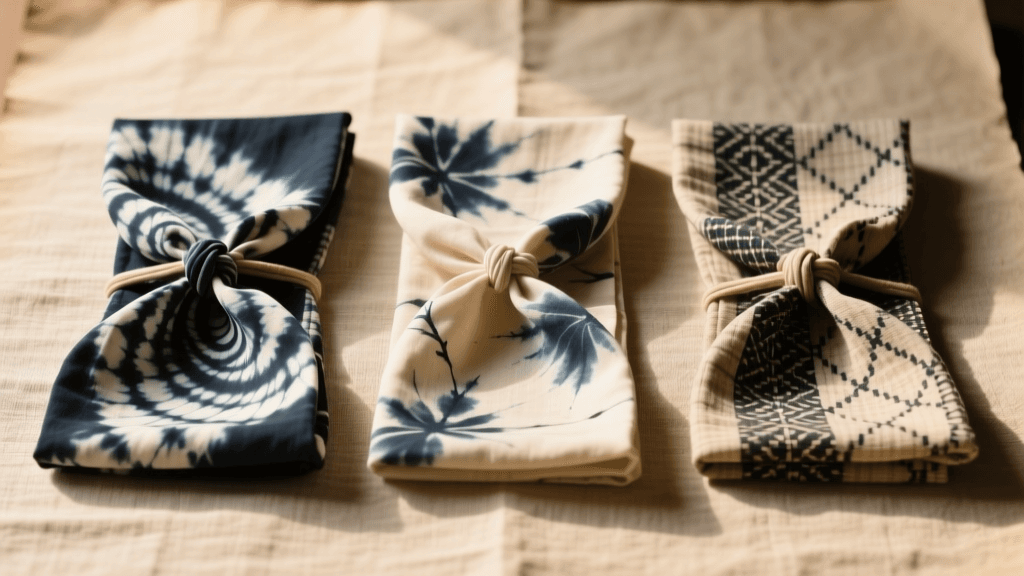
Before diving into authentication, it is crucial to understand the fundamental differences between these three techniques. While Shibori and Yuzen are primarily dyeing methods applied to woven cloth, Kasuri is a weaving technique that utilizes pre-dyed threads. Below is a structured comparison to help you quickly categorize potential acquisitions.
| Technique | Primary Method | Visual Hallmark | Production Time (Approx.) | Avg. Vintage Cost (USD) |
|---|---|---|---|---|
| Shibori | Manual Resist Dyeing (Binding, stitching, folding) | Soft, blurred edges; 3D puckered texture | 40–100+ hours | $150 – $800+ |
| Yuzen | Paste-Resist Hand Painting & Dyeing | Crisp white outlines; vibrant, complex shading | 100–300+ hours | $300 – $2,500+ |
| Kasuri | Pre-dyed Warp/Weft Weaving (Ikat) | Geometric or pictorial patterns with blurred edges | 60–150+ hours | $100 – $600+ |
How to Authenticate Vintage and Antique Pieces
Authenticating vintage Japanese textiles goes far beyond simply looking at the pattern. You must engage your sense of touch and examine the structural integrity of the dye and weave. Here is how to verify the authenticity of each technique.
Examining the Reverse Side (The 'Ura' Test)
The most reliable way to authenticate hand-dyed textiles is to examine the reverse side, or ura. In true hand-dyed Shibori and Yuzen, the dye must penetrate completely through the silk or cotton fibers. If you look at the inside of a vintage kimono and the pattern is vividly visible (albeit slightly softer in color), it is likely authentic. Conversely, if the reverse side is stark white or the pattern looks like a faint, muddy shadow, you are likely looking at a modern, machine-printed imitation. Printed textiles use surface-level pigments that do not penetrate the warp and weft of the fabric.
Identifying Hand-Painted Yuzen Details
Yuzen is celebrated for its painterly freedom, achieved by using a rice-paste resist called itome-nori. When authenticating a Yuzen piece, look closely at the borders of the design. You should see a very fine, crisp white line where the rice paste was applied to prevent the dye from bleeding. Furthermore, authentic hand-painted Yuzen features kuma, or subtle brush shading, where the artisan manually gradated the dye from dark to light. Machine-printed faux-Yuzen will often have pixelated gradients or uniform color blocks lacking the organic flow of a human brushstroke. As noted by the Smithsonian National Museum of Asian Art, the meticulous application of these resists and dyes represents some of the highest achievements in Japanese decorative arts.
Spotting True Kasuri Weave Irregularities
Kasuri (the Japanese equivalent of Ikat) is created by tie-dyeing the threads before they are woven on the loom. The hallmark of authentic Kasuri is its signature blur, known as kasuri (which literally translates to 'blurred' or 'hazy'). Because it is nearly impossible to align pre-dyed threads with microscopic perfection on a manual loom, the edges of the patterns will always have a slight, organic fuzziness. If you run your fingernail across a Kasuri textile, it should feel completely smooth and flat, unlike Shibori which retains a physical texture. If a 'Kasuri' pattern has perfectly sharp, digital-looking edges, it is a modern screen-printed fake.
Preservation and Care: Actionable Steps for Collectors
Once you have acquired an authentic piece, proper preservation is paramount. Vintage silk and cotton are highly susceptible to humidity, UV damage, and acidic degradation. Research from institutions like the Kyoto National Museum highlights the importance of traditional and modern archival methods working in tandem to preserve these fragile textiles for future generations.
Washing and Cleaning Protocols
Never use standard commercial laundry detergents on vintage Japanese textiles; the enzymes and optical brighteners will destroy natural dyes and weaken silk fibers. For minor spot cleaning or gentle hand-washing of cotton Kasuri or sturdy Shibori, use Orvus Paste (a pH-neutral, conservation-grade soap commonly used by quilters and equestrians). A 16oz bottle costs approximately $18 and will last for years. Use cool water (below 70°F/21°C) and limit the soaking time to no more than 10 minutes.
For highly valuable, heavily soiled, or delicate silk Yuzen kimono, do not attempt to wash them yourself. Seek out a professional Japanese textile cleaner who specializes in shiro-arai (a traditional water-washing and stretching method). Expect to pay between $80 and $150 per garment, a worthwhile investment to prevent irreversible dye bleeding or silk shrinkage.
The Biannual 'Mushiboshi' Airing Ritual
Japanese collectors practice mushiboshi, the ritual of airing out textiles to prevent mold and insect damage. You should perform this twice a year—ideally in late October and early April, when the weather is dry and cool.
- Timing: Air the garments for 2 to 3 hours during the day.
- Environment: Hang them indoors in a well-ventilated room or in a fully shaded outdoor area. Never expose vintage textiles to direct UV sunlight, which will cause natural indigo and botanical dyes to fade rapidly.
- Inspection: Use this time to inspect the collars and underarms for early signs of foxing (brown age spots) or insect frass.
Archival Storage Solutions
Proper storage is the final pillar of textile preservation. The traditional Japanese method involves folding the kimono using the hon-datami technique, which follows the garment's natural seams to prevent stress on the fabric. Once folded, the textile must be protected from acidic environments and fluctuating humidity.
1. Acid-Free Tissue Paper: Always wrap your textiles in buffered, acid-free tissue paper to prevent crease hardening and acid migration. Hollinger Metal Edge is a trusted archival brand. Purchase standard 20 x 30 inch sheets (approx. $1.50 per sheet). Gently stuff the sleeves and the collar area with crumpled tissue to maintain the garment's three-dimensional structure and prevent hard, permanent creases.
2. Kiri (Paulownia) Wood Storage Boxes: For serious collectors, storing wrapped textiles in a traditional Kiri (paulownia) wood box is highly recommended. Paulownia wood naturally regulates humidity, swelling slightly in damp conditions to seal the box shut, and shrinking in dry conditions to allow airflow.
- Measurements: A standard single-kimono Kiri box measures approximately 33 x 20 x 12 inches (84 x 50 x 30 cm).
- Costs: Authentic, unfinished Kiri boxes typically range from $120 to $250 depending on the joinery and wood grain. Avoid painted or lacquered boxes, as the off-gassing chemicals can damage the silk.
Conclusion
Collecting vintage Shibori, Yuzen, and Kasuri textiles is a deeply rewarding pursuit that connects you to centuries of Japanese artisanal history. By mastering the 'ura' test, recognizing the organic imperfections of hand-craftsmanship, and implementing strict, conservation-grade storage protocols, you ensure that these masterpieces survive for generations to come. Whether you are hunting for a rare Edo-period Kosode or a mid-century Kasuri work jacket, approaching your collection with an educated eye and a preservationist's mindset is the ultimate mark of a true textile connoisseur.