2026 Xin Zhongshi Wardrobe: Sourcing Real Xiangyunsha Silk
The Evolution of Xin Zhongshi in 2026
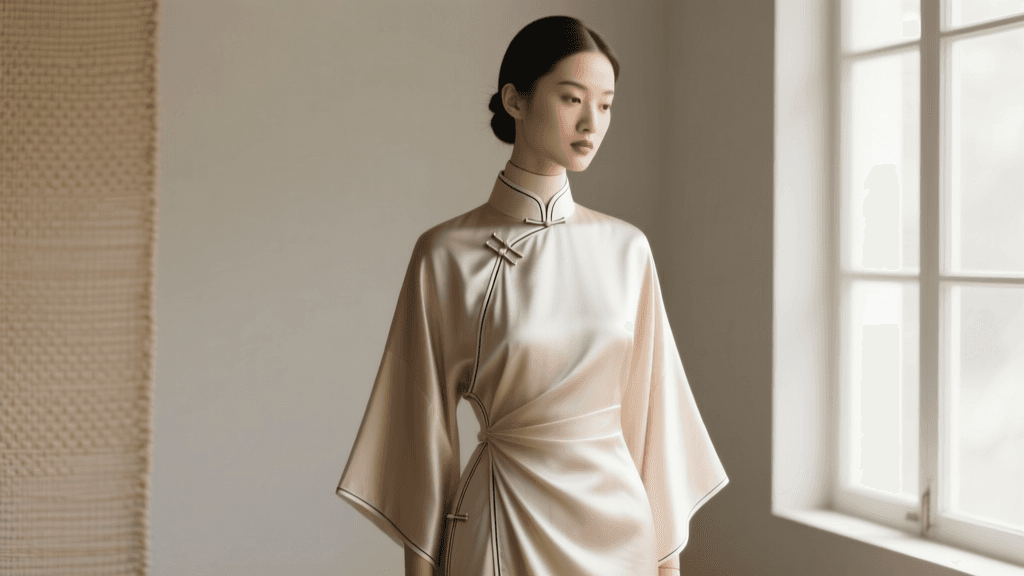
The Xin Zhongshi (新中式), or New Chinese Style, movement has undergone a radical transformation as we navigate through 2026. What began in the early 2020s as a niche aesthetic characterized by costume-like reproductions and mass-market polyester blends has matured into a sophisticated pillar of global quiet luxury. Today, the focus has shifted decisively toward heritage textiles, artisanal craftsmanship, and modernized silhouettes that integrate seamlessly into contemporary urban life. For the discerning wardrobe builder, 2026 is all about authenticity, sustainable sourcing, and the meticulous integration of traditional Chinese garments into daily wear.
At the heart of this evolution is a profound appreciation for intangible cultural heritage. Consumers and designers alike are moving away from superficial motifs—like hastily printed dragon or plum blossom patterns—and are instead investing in the structural and material history of Chinese fashion. According to the UNESCO recognition of traditional sericulture and silk craftsmanship, the preservation of these ancient techniques is not just about maintaining historical artifacts; it is about keeping living traditions vibrant and relevant. In 2026, wearing Xin Zhongshi is a statement of cultural fluency and sartorial excellence.
Decoding Heritage Textiles: Xiangyunsha vs. Song Brocade
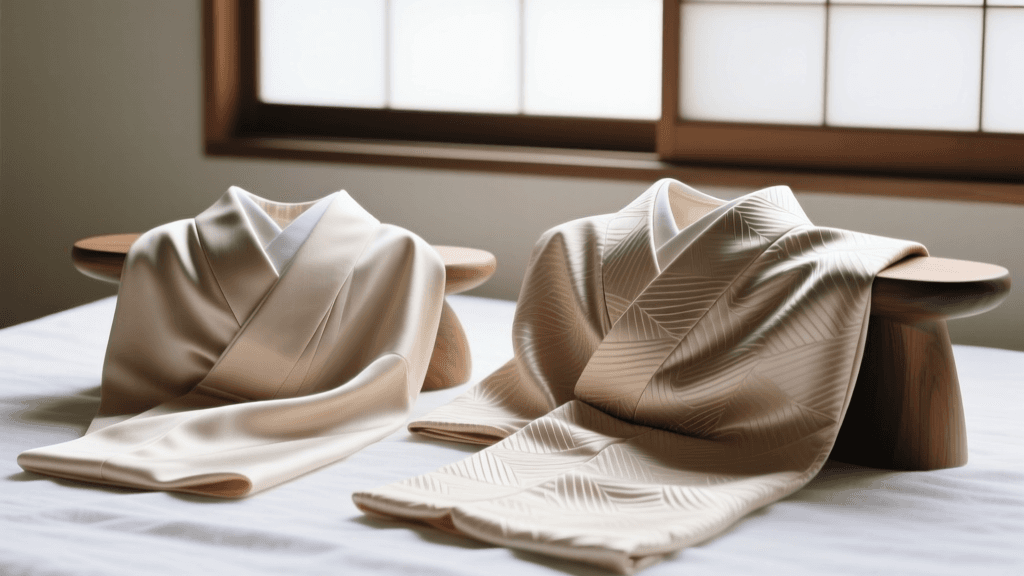
To build a credible Xin Zhongshi wardrobe, one must first understand the foundational textiles that define the genre. The two most coveted fabrics in the 2026 market are Xiangyunsha (Gambiered Guangdong Gauze) and Song Brocade (Song Jin). Both offer unparalleled luxury, but they serve entirely different functional and aesthetic purposes.
Xiangyunsha is a marvel of natural engineering. Originating from the Nanhai district of Guangdong, this silk is dyed using the juice of the gambier plant and coated with iron-rich river mud, then baked in the sun. The unique heritage of Xiangyunsha dictates a grueling 30-step process that results in a fabric that is naturally antibacterial, water-resistant, and incredibly breathable. It features a distinctive dual-tone appearance—deep glossy black on one side and rich matte brown on the other—and produces a subtle, satisfying crackling sound when worn.
Song Brocade, conversely, is celebrated for its intricate, flat-weave jacquard patterns and structural rigidity. Originating from the Song Dynasty, it is heavier, less drapey, and ideal for structured outerwear and vests. The Metropolitan Museum of Art notes that Chinese silk weaving techniques like brocade have historically been symbols of immense wealth and technical prowess, a legacy that modern Song Brocade weavers continue to uphold today.
| Textile | Weight & Drape | Best Garment Application | 2026 Avg. Price (Per Meter) | Care Level |
|---|---|---|---|---|
| Xiangyunsha (Pure Silk) | Lightweight, fluid, crisp | Draped blouses, wide-leg trousers, midi skirts | $220 - $380 USD | High (Dry clean or specialized hand wash) |
| Song Brocade (Silk Blend) | Heavyweight, structured, stiff | Ma Jia (vests), Mao collar jackets, clutches | $150 - $290 USD | Medium (Spot clean or professional press) |
| Xiangyunsha-Cotton Blend | Medium weight, soft drape | Everyday shirt dresses, relaxed tunics | $85 - $140 USD | Low (Gentle machine wash in mesh bag) |
Building Your 2026 Capsule Wardrobe
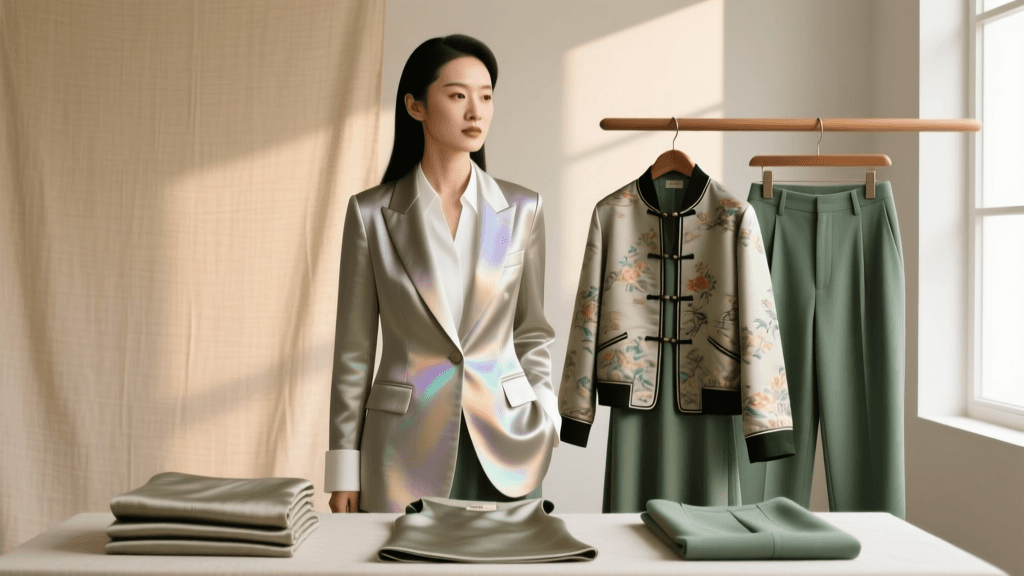
A successful Xin Zhongshi capsule wardrobe relies on the principle of juxtaposition: pairing ancient textiles with relaxed, contemporary tailoring. The goal is to avoid looking as though you are wearing a historical costume. Here are the three essential garments to commission or source this year.
1. The Relaxed Mao Collar Shirt
The Mao collar (or Zhongshan collar) is a staple, but the 2026 interpretation demands a departure from the rigid, military-inspired cuts of the past. When commissioning a Xiangyunsha Mao collar shirt, instruct your tailor to drop the shoulder seam by exactly 2.5 centimeters. This creates a relaxed, sloping silhouette that aligns with modern minimalist aesthetics. The collar stand should be kept low—between 2.5cm and 3cm—to ensure comfort and prevent the neck from looking constrained. Opt for hidden plackets and genuine horn buttons rather than traditional Pan Kou (frog knots) to maintain a sleek, urban profile.
2. The Modern Ma Jia (Vest)
The Ma Jia, a traditional sleeveless vest, is the ultimate layering piece for transitional weather. In 2026, the most fashionable iteration is crafted from Song Brocade and cropped precisely at the natural waistline, rather than extending to the hips. This cropped proportion elongates the legs and pairs beautifully over a simple, high-quality white cotton t-shirt or a fine-gauge merino turtleneck. Look for vests with subtle, tone-on-tone jacquard patterns—such as geometric lattice or abstract cloud motifs—rather than loud, contrasting floral designs. A cropped Ma Jia in deep indigo or charcoal Song Brocade typically costs between $250 and $400 from reputable heritage brands.
3. The Commuter Mamian Skirt
The Mamian (horse-face) skirt has dominated the Xin Zhongshi scene for several years, but the 2026 version is engineered for the modern commuter. Traditional wrap-around Mamian skirts can be cumbersome and prone to gaping in windy urban environments. The modern solution is a side-zipper closure with a fixed, flat front panel and heat-set pleats on the sides and back. Choose a Xiangyunsha-cotton blend for everyday durability. The hem should hit exactly at the mid-calf, allowing for easy movement and pairing with both minimalist leather loafers and sleek ankle boots.
Sourcing Authentic Garments and Avoiding Fakes
As the global demand for Xin Zhongshi has surged, so has the proliferation of counterfeit heritage textiles. The market is currently flooded with chemically dyed polyester masquerading as Xiangyunsha. To protect your investment, you must know how to authenticate these materials.
First, rely on your senses. Genuine Xiangyunsha possesses a faint, earthy scent reminiscent of dried leaves and river clay, a byproduct of the gambier and mud-dyeing process. Fakes often smell of synthetic chemicals or have no scent at all. Second, perform the sound test. Rub the fabric between your fingers; authentic Xiangyunsha will emit a distinct, papery crackling sound due to the hardened mud and silk protein interaction. Finally, inspect the selvedge and look for the official Nanhai Geographical Indication (GI) tag, which certifies that the fabric was produced in the designated region using traditional methods. In 2026, reputable merchants will provide a digital QR code linked to the GI registry, allowing you to trace the fabric's origin back to the specific dyeing cooperative.
Tailoring and Fit: The Modern Silhouette
The defining characteristic of 2026 Xin Zhongshi is the mastery of ease. Traditional Chinese garments were often cut flat, relying on the drape of the fabric to conform to the body. Modern tailoring introduces subtle structural elements to enhance comfort without sacrificing the historical essence. When working with a tailor, request a 'drop-armhole' construction for jackets and shirts. By lowering the armhole depth to approximately 24cm and widening the sleeve circumference, you allow for a full range of motion, making heritage garments practical for driving, typing, and navigating crowded transit systems.
'The true luxury of Xin Zhongshi in 2026 is not just in the rarity of the silk, but in the invisible tailoring that allows a 500-year-old garment concept to feel as comfortable as a modern cashmere sweater.' — Contemporary Asian Textile Review, Spring 2026 Issue
Care and Maintenance of Heritage Silks
Investing in Xiangyunsha and Song Brocade requires a commitment to specialized garment care. The mud-coating process of Xiangyunsha makes it uniquely sensitive to alkaline substances. Never use standard laundry detergents, which will strip the natural coating and cause the fabric to lose its water-resistant properties and luster.
- Washing: Hand wash Xiangyunsha in cold water (strictly under 30°C) using a pH-neutral, silk-specific detergent. Soak for no more than three minutes.
- Drying: Never wring or twist the fabric. Gently press the water out between two clean, dry towels and lay the garment flat in the shade. Direct sunlight will cause the gambier dye to fade unevenly.
- Storage: Store Song Brocade vests and Xiangyunsha garments flat or rolled to prevent permanent creasing. Use breathable cotton garment bags and avoid wire hangers, which will distort the shoulder seams.
- Ironing: Use a steam iron on the lowest silk setting, always ironing on the reverse side with a cotton pressing cloth between the iron and the fabric.
By understanding the profound history, exacting tailoring requirements, and meticulous care protocols of these textiles, you can curate a Xin Zhongshi wardrobe that is not only visually stunning but deeply rooted in the living heritage of Asian traditions. As we move further into 2026, the New Chinese Style stands as a testament to the enduring power of craftsmanship in an increasingly automated world.