Lotus vs Ahimsa Silk for Cheongsam & Kimono: 2026 Fabric Guide

The Renaissance of Sustainable Asian Textiles in 2026
The landscape of Asian traditional garments is undergoing a profound transformation in 2026. While the iconic silhouettes of the cheongsam (qipao) and the kimono remain deeply rooted in centuries of cultural heritage, the textiles used to craft them are rapidly evolving. Driven by a global demand for sustainable luxury, ethical production, and climate-responsive fashion, artisans and wearers alike are turning away from conventional, mass-produced mulberry silk. Instead, two extraordinary alternatives have taken center stage in high-end bespoke tailoring: Lotus silk and Ahimsa (peace) silk. According to the Textile Exchange's Preferred Fiber and Materials Market Report, the market for ethically sourced, non-violent silk alternatives has grown exponentially, reflecting a broader consumer shift toward transparency and ecological mindfulness in luxury fashion.
Lotus Silk: The Aquatic Marvel
Lotus silk is one of the rarest and most labor-intensive textiles in the world. Harvested from the stems of the lotus flower (Nelumbo nucifera), this ancient craft has seen a massive revival in 2026, particularly among artisanal cooperatives in Vietnam, Myanmar, and Cambodia. The extraction process requires the stems to be snapped and the delicate microfibers pulled out by hand within 24 hours of harvesting, before they dry and become brittle. These fibers are then rolled into threads and woven on traditional wooden looms.
The resulting fabric is a marvel of natural engineering. Lotus silk is renowned for its exceptional breathability, natural stain resistance, and a unique texture that feels like a luxurious blend of raw silk and fine linen. It possesses a beautiful, understated matte finish that absorbs natural dyes with incredible depth. For traditional garment makers, lotus silk is the premier choice for summer wear. Its crisp drape and cooling properties make it the ultimate fabric for unlined summer cheongsams and lightweight, translucent kimono variations like the ro or sha.
Ahimsa Silk: Cruelty-Free Elegance
Also known as "peace silk," Ahimsa silk is produced without harming the silkworm. Pioneered in India and now adopted by ethical sericulture farms globally, this method allows the moth to naturally emerge from the cocoon before the silk is harvested. As documented by the Food and Agriculture Organization of the United Nations (FAO), sustainable sericulture practices are vital for maintaining biodiversity and supporting rural economies. Because the cocoon is broken during the moth's emergence, the silk filaments are shorter and must be spun rather than reeled, resulting in a yarn with a slightly nubby, textured feel similar to raw Tussah or Eri silk.
Ahimsa silk offers a heavier, more fluid drape compared to lotus silk. It possesses excellent thermal regulation, keeping the wearer warm in the winter and cool in the summer. In 2026, master tailors in Kyoto and Shanghai heavily favor Ahimsa silk for structured, formal garments. Its weight and opacity make it ideal for autumn and winter cheongsams featuring intricate frog button closures, as well as formal kimono styles like the tomesode or houmongi, where a rich, substantial drape is required to hold the complex folds of the obi sash.
2026 Comparative Analysis: Lotus vs. Ahimsa Silk
Choosing between lotus and Ahimsa silk depends entirely on the intended garment, the season, and the desired silhouette. Below is a comprehensive comparison to guide your textile selection in 2026.
| Feature | Lotus Silk | Ahimsa (Peace) Silk |
|---|---|---|
| Primary Origin | Vietnam, Myanmar, Cambodia | India (Assam, Bihar), Thailand |
| Texture & Finish | Smooth, linen-like, matte | Soft, slightly nubby, matte |
| Drape & Structure | Structured, crisp, lightweight | Fluid, heavy, substantial |
| 2026 Avg. Cost | $140 - $220 per yard | $55 - $85 per yard |
| Best Garment Use | Summer Kimono, Unlined Cheongsam | Winter Cheongsam, Formal Kimono |
| Thermal Property | Highly cooling, breathable | Insulating, temperature-regulating |
Sourcing Authentic Sustainable Silks in 2026
As the demand for these luxury textiles has surged, the market has unfortunately seen an influx of counterfeit or blended fabrics marketed as pure lotus or Ahimsa silk. When sourcing materials for a bespoke cheongsam or kimono in 2026, provenance is everything. Authentic lotus silk should feel cool to the touch and possess a distinct, earthy aroma when gently rubbed. Ahimsa silk should feature natural slubs (unevenness in the thread) and a warm, soft hand-feel.
Always look for certifications such as the Global Organic Textile Standard (GOTS) or the World Fair Trade Organization (WFTO) label. Reputable textile merchants in 2026 provide blockchain-verified supply chain data, allowing you to trace the fabric back to the specific weaving cooperative. Expect to pay a premium for genuine lotus silk; at $140 to $220 per yard, a standard knee-length cheongsam will require roughly 3 to 4 yards, bringing the fabric cost alone to between $420 and $880.
Master Tailoring Techniques for Artisans
Working with these specialized textiles requires precise tailoring techniques. The historical construction methods of Asian garments, as detailed in the Metropolitan Museum of Art's Heilbrunn Timeline of Art History, rely heavily on the natural properties of the silk. Modern artisans must adapt these techniques for sustainable variants.
Needle and Thread Selection
For lotus silk, which is delicate yet fibrous, use a Microtex needle (size 60/8 or 70/10) to pierce the fibers cleanly without causing snags. For Ahimsa silk, a slightly larger Universal needle (75/11) can accommodate the slubby texture of the spun yarn. Always use 100% silk thread or high-quality long-staple cotton thread; polyester thread will cut through the natural fibers over time due to friction.
Seam Finishes and Interfacing
Traditional cheongsam construction utilizes the "rolled hem" or piping technique along the collar and side slits. When working with lotus silk, interface the collar and placket with pure silk organza rather than synthetic fusible interfacing. Fusible glues can melt and ruin the breathable matrix of the lotus fibers. For kimono tailoring, Ahimsa silk responds beautifully to the chikara-nuno (lining cloth) technique, using a lightweight cupro or organic cotton voile to line the sleeves and body, ensuring the garment glides smoothly over the skin.
Natural Dyeing Trends for 2026
The matte finish of both lotus and Ahimsa silk makes them exceptional canvases for natural dyes, a trend that has completely dominated the Asian bespoke market in 2026. Synthetic dyes often sit on the surface of these eco-textiles, looking harsh and artificial. In contrast, botanical dyes penetrate the fibers, creating complex, living colors that evolve with wear.
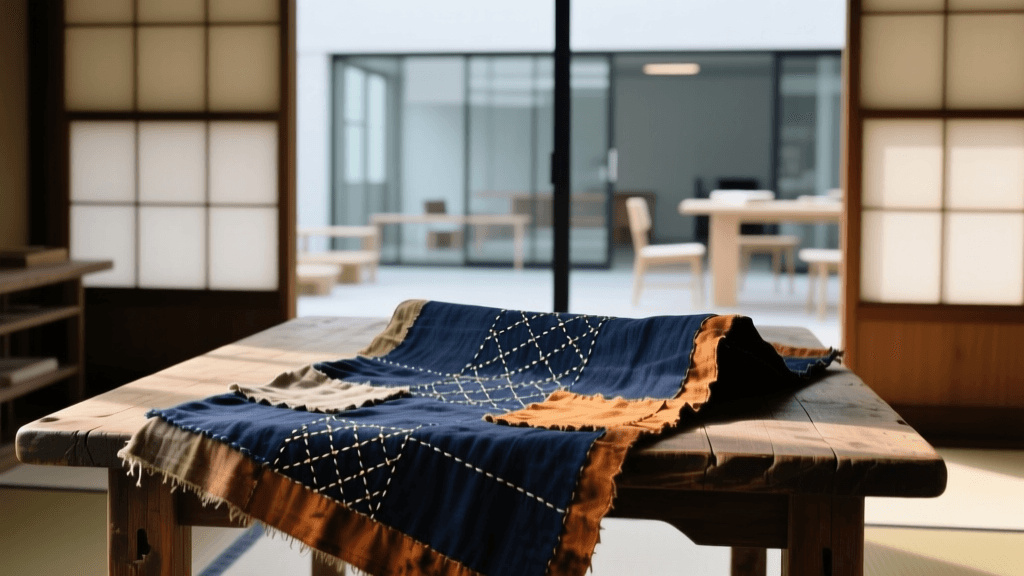
- Indigo (Ai-zome): Creates deep, rich blues on Ahimsa silk, perfect for formal winter kimonos.
- Madder Root: Yields warm terracotta and deep crimson tones, highly sought after for bridal cheongsams.
- Pomegranate Rind & Iron: Produces sophisticated charcoal and olive-grey hues that complement the natural linen-like color of undyed lotus silk.
- Turmeric & Marigold: Offers vibrant, sunlit yellows for spring and summer garments, though it requires a mordant to ensure colorfastness.
Garment Care and Archival Storage
Investing in sustainable luxury textiles requires a commitment to proper maintenance. Both lotus and Ahimsa silks are protein-based fibers (in the case of Ahimsa) or plant-based microfibers (lotus), meaning they react differently to environmental stressors than standard mulberry silk.
"The longevity of a traditional garment is not just in its stitching, but in the chemistry of its care. Treating 2026's sustainable silks with harsh modern detergents is akin to washing a masterpiece with industrial solvent." — Master Textile Conservator, Kyoto Institute of Traditional Arts.
Washing: Never machine wash these garments. Hand wash in cool water using a pH-neutral, enzyme-free detergent specifically formulated for delicate natural fibers, such as Eucalan or Soak Wash. Do not wring or twist lotus silk, as this will permanently distort the woven matrix. Instead, gently press the water out and roll the garment in a clean, dry cotton towel.
Drying and Ironing: Always air dry away from direct sunlight, which will rapidly degrade the natural fibers and fade botanical dyes. Iron on the lowest heat setting while the garment is still slightly damp, using a pressing cloth to prevent shine marks.
Storage: Store your cheongsam or kimono flat or loosely rolled in acid-free tissue paper. Avoid wire hangers, which will distort the shoulder seams of a cheongsam and stretch the delicate back panels of a kimono. Use natural cedarwood blocks or lavender sachets to repel moths, avoiding chemical mothballs which will permanently taint the silk with a toxic odor and accelerate fiber degradation.
Conclusion
As we navigate through 2026, the choice to craft a cheongsam or kimono from lotus or Ahimsa silk is more than a sartorial decision; it is a profound statement of cultural preservation and environmental stewardship. By understanding the unique drape, cost, and care requirements of these extraordinary textiles, wearers and tailors can ensure that the rich legacy of Asian traditional garments continues to thrive in a sustainable, ethical future.