2026 Japanese Craft Collabs: Loewe & New Balance Guide
The Renaissance of Japanese Heritage Crafts in 2026 Global Fashion
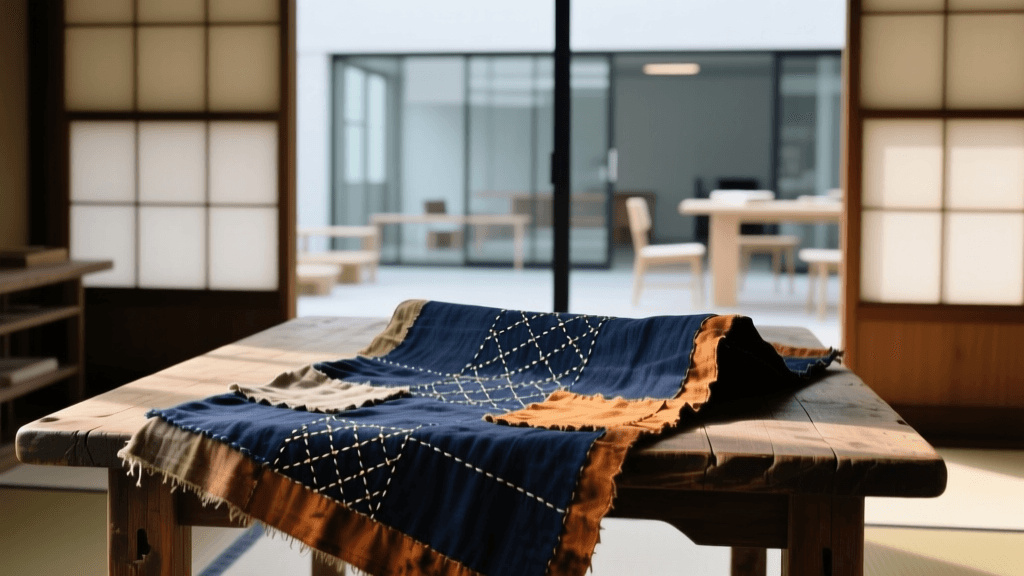
As we navigate the fashion landscape of 2026, the intersection of traditional Asian garments and international luxury streetwear has evolved from superficial graphic appropriations to profound, artisan-led collaborations. Global fashion houses and heritage sportswear brands are no longer merely borrowing Japanese motifs; they are embedding themselves in local artisanal communities to utilize centuries-old techniques like Sashiko (decorative reinforcement stitching), Boro (patchwork mending), and Kakishibu (persimmon tanning). This shift reflects a broader consumer demand for sustainability, narrative-driven garments, and tactile authenticity in an increasingly digital world.
The historical roots of these techniques are deeply tied to the Japanese philosophy of mottainai (a sense of regret concerning waste). As documented by the Metropolitan Museum of Art's extensive archives on Japanese textiles, rural communities historically repaired and reinforced garments out of sheer necessity, transforming functional mending into a profound aesthetic expression. Today, international design collaborations honor this heritage by partnering directly with multi-generational workshops in Kyoto, Okayama, and Tokyo, elevating traditional workwear into highly coveted luxury and premium streetwear pieces.
New Balance Tokyo Design Studio: Kakishibu and Sashiko in Footwear
The New Balance Tokyo Design Studio (TDS) has consistently pushed the boundaries of material innovation, and their 2026 capsule collections represent the pinnacle of heritage craft integration in footwear. Moving beyond standard suede and mesh, the 2026 TDS lineup heavily features Kakishibu-tanned leathers and Sashiko-stitched uppers on iconic silhouettes like the 2040L and the 1906R.
The Kakishibu Tanning Process
Kakishibu involves fermenting the juice of unripe persimmons to create a natural tannin-rich dye. When applied to leather and canvas, it yields a distinct, earthy aroma and a rigid, water-resistant finish. The true magic of Kakishibu, however, lies in its photosensitivity. Throughout 2026, TDS has released 'blank canvas' Kakishibu sneakers that are designed to be worn immediately. As the wearer exposes the shoes to UV sunlight and natural oils from the skin, the leather undergoes a dramatic color shift, transitioning from a pale, dusty brown to a deep, rich mahogany over six to twelve months.
Sashiko Structural Integration
On the TDS 1906R 'Heritage Mend' model, designers have utilized 14oz selvedge cotton layered with Sashiko running stitches. Unlike machine embroidery, authentic Sashiko provides structural integrity to the shoe's high-stress zones, such as the toe box and medial collar. The 2026 releases feature traditional Asanoha (hemp leaf) and Seigaiha (blue ocean waves) geometric patterns, stitched using heavy-gauge, naturally dyed indigo cotton thread. Retail prices for these specialized TDS models range from $280 to $350 USD, reflecting the intensive manual labor required for each pair.
Loewe’s Kyoto Artisan Capsules: Boro and Yuzen Leatherwork
While New Balance focuses on the rugged, utilitarian side of Japanese craft, Loewe’s 2026 Japanese capsules explore the delicate, highly refined end of the textile spectrum. Under the direction of their artisanal innovation labs, Loewe has partnered with master craftsmen in Kyoto to integrate Boro patchwork and Yuzen resist-dyeing into their premium leather goods and ready-to-wear lines.
Boro Patchwork on the Puzzle Bag
The 2026 iteration of Loewe’s iconic Puzzle Bag features a limited-edition Boro panel. Sourcing authentic, vintage indigo-dyed cotton scraps from 19th-century farming garments, artisans meticulously piece and stitch the fabric before bonding it to a supple calfskin backing. This ensures the bag maintains its structural geometry while showcasing the chaotic, beautiful history of the mended textiles. The Victoria and Albert Museum's Asian collections frequently highlight how the layering of indigo fabrics served as both insulation and a display of familial history; Loewe translates this intimate history into a $4,200 luxury accessory.
Yuzen Dyeing on Leather
Perhaps the most groundbreaking technical achievement in 2026 is Loewe’s successful adaptation of Yuzen dyeing—a technique traditionally reserved for silk kimonos—onto premium nappa leather. By utilizing a specialized rice-paste resist applied via brass stencils, artisans paint intricate, multi-colored floral motifs directly onto the leather of the Flamenco Knot bag. The result is a vibrant, colorfast design that does not crack or peel when the leather is folded, retailing at approximately $3,800 USD.
2026 Heritage Craft Collaboration Comparison Chart
To help collectors and enthusiasts navigate the 2026 market, below is a structured comparison of the leading Japanese craft collaborations available this year.
| Brand / Studio | Primary Technique | Key 2026 Item | Price Range (USD) | Maintenance Level |
|---|---|---|---|---|
| NB Tokyo Design Studio | Kakishibu (Persimmon Tanning) | 2040L 'Sun-Fade' Sneaker | $280 - $320 | Moderate (Requires UV exposure) |
| NB Tokyo Design Studio | Sashiko (Stitching) | 1906R 'Heritage Mend' | $300 - $350 | High (Delicate cotton care) |
| Loewe | Boro (Patchwork) | Puzzle Bag 'Kyoto Boro' | $4,200 - $4,500 | Low (Professional leather care) |
| Loewe | Yuzen (Resist Dyeing) | Flamenco Knot 'Silk Motif' | $3,800 - $4,100 | Moderate (Avoid moisture) |
| Visvim | Aizome (Natural Indigo) | Folk / FBT Footwear | $900 - $1,200 | High (Color transfer risk) |
Actionable Care Guide for Kakishibu and Sashiko Pieces
Owning garments and footwear that utilize traditional Asian textile methods requires a departure from standard modern care routines. To preserve the integrity of your 2026 collaborations, follow these specific, actionable maintenance protocols:
Caring for Kakishibu (Persimmon-Tanned) Leather
- Initial Curing: For the first 60 days, wear your Kakishibu footwear in direct sunlight for at least one hour daily. The UV rays catalyze the tannins, deepening the color and increasing water resistance.
- Cleaning: Never use standard leather soaps or chemical conditioners, as they will strip the natural persimmon oils. Use a soft horsehair brush to remove dust. If the leather becomes excessively dry after a year, apply a micro-thin layer of pure mink oil.
- Water Exposure: While Kakishibu is naturally water-resistant, prolonged exposure to heavy rain will cause uneven darkening. If soaked, stuff the shoes with cedar shoe trees and let them air dry away from artificial heat sources.
Maintaining Sashiko and Boro Cottons
- Washing Protocol: Hand-wash Sashiko cotton garments in cold water (strictly below 20°C / 68°F) using a neutral pH, phosphate-free detergent. Machine washing will cause the heavy stitching threads to shrink at a different rate than the base fabric, leading to severe puckering.
- Drying: Never wring out Sashiko or Boro textiles. Instead, lay the garment flat on a clean, dry bath towel, roll the towel tightly to absorb excess moisture, and then lay the garment flat on a drying rack in the shade. Direct sunlight will prematurely fade the natural indigo dyes often paired with these techniques.
- Storage: Store Boro patchwork jackets on wide, padded wooden hangers to support the heavy, multi-layered weight of the mended fabrics. Avoid wire hangers, which will distort the shoulder seams over time.
Sourcing and Authenticity: Where to Buy in 2026
As the secondary market becomes flooded with mass-produced imitations featuring machine-printed 'Sashiko patterns,' knowing where to source authentic, artisan-crafted collaborations in 2026 is critical.
Flagship and Concept Stores
For the highest probability of securing limited-run pieces, physical retail remains superior to online drops. The New Balance Tokyo Design Studio flagship in Aoyama, Tokyo, receives exclusive colorways and 'Made-to-Order' Sashiko services that are not distributed globally. Similarly, Loewe Omotesando frequently hosts pop-up exhibitions featuring the Kyoto artisans, offering buyers the chance to commission custom Yuzen leather goods.
Authorized Global Stockists
If traveling to Japan is not feasible, Dover Street Market (with flagship locations in Ginza, London, and Los Angeles) remains the most reliable global purveyor of authentic Japanese craft collaborations. Their 2026 buying strategy has heavily favored capsule collections that include certificates of authenticity, detailing the specific artisan workshop, the region of origin, and the exact natural dyes used in the production process.
When investing in heritage craft collaborations, always inspect the reverse side of the fabric. Authentic Sashiko stitching will show irregular, hand-pulled tension on the inside of the garment, whereas machine-made imitations will display perfectly uniform, locked bobbin threads.
By understanding the deep cultural significance and the meticulous physical requirements of these traditional techniques, collectors and fashion enthusiasts can fully appreciate the 2026 wave of Japanese craft collaborations. These pieces are not merely seasonal trends; they are wearable archives of Asian tradition, recontextualized for the modern global wardrobe.