2026 Hanfu Travel Wardrobe: Packing Essentials & Styling Guide
The Rise of the Hanfu Travel Wardrobe in 2026
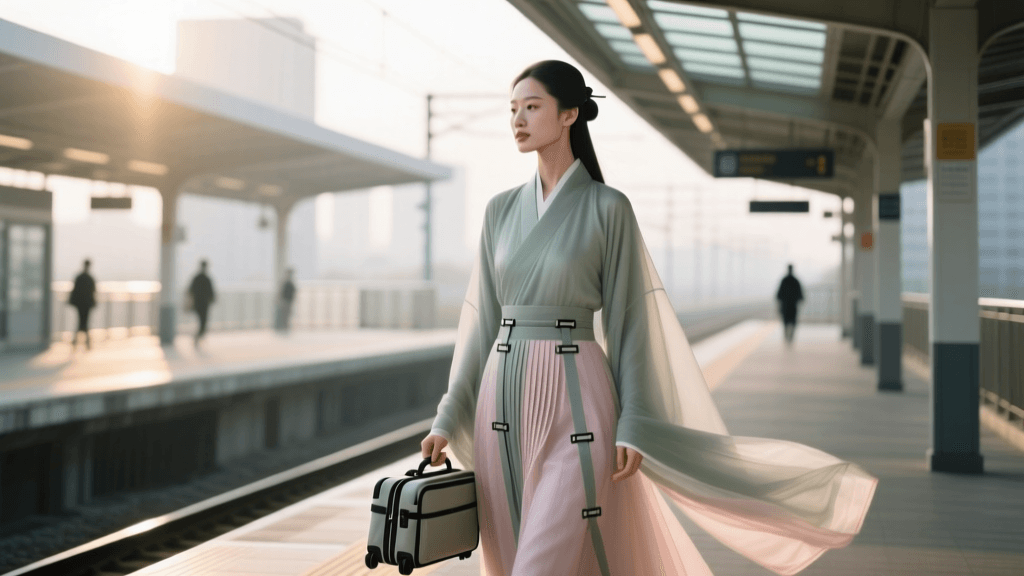
The global resurgence of Hanfu has transformed it from a niche historical interest into a dynamic, everyday wardrobe choice for cultural travelers. In 2026, the 'Hanfu tourism' sector is booming, with enthusiasts traveling to historical hubs like Xi'an, Luoyang, and Hangzhou, as well as showcasing traditional Chinese garments on the streets of Paris, Kyoto, and New York. However, traveling with traditional garments requires specialized care. The voluminous sleeves, intricate pleats of the Mamianqun (horse-face skirt), and delicate silk weaves demand a strategic approach to packing and transit. Whether you are embarking on a heritage tour across China or attending an international cultural festival, building a transit-safe, climate-adaptive Hanfu travel capsule is essential for a seamless journey.
The 2026 Hanfu Travel Capsule Wardrobe
Building a versatile Hanfu capsule for travel requires balancing historical aesthetics with modern transit realities. The modern traveler favors a modular approach, selecting pieces that can be mixed, matched, and layered. For the 2026 travel season, the most popular styles for transit are the Song Dynasty and Ming Dynasty silhouettes, chosen for their distinct practical benefits.
The Song Dynasty Aesthetic: Lightweight and Breathable
For summer travel or tropical destinations, the Song Dynasty aesthetic is unmatched. Characterized by slender silhouettes, narrow sleeves, and lightweight fabrics, garments like the Beizi (a long, open-front jacket) and Baidiequn (hundred-pleat skirt) are incredibly easy to pack. They fold flat, resist deep wrinkling, and offer excellent ventilation. In 2026, many contemporary Hanfu brands are utilizing advanced ramie-linen blends that mimic the drape of historical Song textiles while offering the wrinkle-resistance of modern performance fabrics.
The Ming Dynasty Silhouette: Structured Elegance
For cooler climates or formal evening events, the Ming Dynasty silhouette provides structured elegance. The iconic Mamianqun (horse-face skirt) paired with an Ao (lined jacket) is a staple. However, the Mamianqun is notorious for losing its sharp, knife-pleated edges if packed incorrectly. The 2026 solution? Investing in skirts crafted from high-density, heat-set synthetic blends or heavily weighted wool-silk mixes that hold their pleats even after being compressed in a carry-on suitcase.
Transit-Safe Packing Essentials for Traditional Garments
Packing traditional garments requires specialized gear to prevent crushing delicate silks and structured linens. Tossing a 500-yuan silk Ruqun into a standard duffel bag is a recipe for disaster. Here are the non-negotiable packing essentials for the 2026 Hanfu traveler:
- Origami-Style Garment Folders: Standard plastic dry-cleaning bags cause friction and static. Instead, use breathable, cotton-canvas garment folders designed specifically for wide-hemmed dresses. These folders use a tri-fold origami method that supports the shoulder seams and prevents the skirt hems from crushing.
- Pleat-Protection Boards: For Mamianqun enthusiasts, 2026 has seen the rise of custom-milled, lightweight acrylic pleat boards. You slide these thin boards between the pleat layers before folding the skirt, ensuring the knife-pleats remain razor-sharp upon arrival.
- Portable Travel Steamers: A handheld steamer is mandatory. The current industry favorite is the Steamery Cirrus No.3 or the latest Philips Travel Steamer, both of which feature dual-voltage capabilities for international travel and specialized brush attachments that gently pull tension through heavy brocades without leaving water spots.
- Botanical Anti-Wrinkle Sprays: For quick touch-ups in hotel rooms, plant-based fabric relaxers infused with camellia oil are highly recommended. They not only release minor wrinkles but also condition natural silk fibers, preventing them from drying out in arid airplane cabins.
Climate-Adaptive Fabric Matrix
Choosing the right fabric is just as important as the packing method. The historical authenticity of a garment must be weighed against the climate of your destination. According to the UNESCO Intangible Cultural Heritage listings, traditional Chinese sericulture and silk craftsmanship have evolved over millennia to produce textiles suited for diverse environments. Today, we leverage both historical knowledge and modern textile engineering to adapt to extreme climates.
| Fabric Type | Best Climate | Packing Difficulty | Transit Care Notes |
|---|---|---|---|
| Ramie / Linen Blends | Hot & Humid | Low | Wrinkles easily but steams out in seconds. Highly breathable. |
| Mulberry Silk (Charmeuse) | Mild / Indoor | High | Water stains easily. Must be packed in breathable cotton bags. |
| Wool-Silk Brocade | Cold / Winter | Medium | Heavy and holds shape well. Requires a sturdy, wide hanger upon arrival. |
| Faux-Fur Piling (Cloud Shoulders) | Freezing | Medium | Can be vacuum-compressed, but requires vigorous shaking and steaming to restore fluff. |
| Heat-Set Polyester Blends | Variable / Rainy | Very Low | Water-resistant and holds pleats perfectly. Ideal for unpredictable weather. |
Destination Styling and Cultural Etiquette
Wearing Hanfu in 2026 is a profound expression of cultural pride, but it also requires an understanding of destination-specific etiquette and practical styling. The historical adaptability of Chinese textiles, as documented in the Metropolitan Museum of Art's archives on Chinese silk, shows that traditional dress has always been dynamic, adapting to the wearer's environment and social context.
Navigating Heritage Sites in China
In cities like Xi'an and Luoyang, Hanfu is practically the unofficial uniform for tourists exploring historical sites like the Datang Everbright City or the Longmen Grottoes. Here, full, elaborate makeup and historically accurate, multi-layered outfits are celebrated. However, be mindful of the terrain. Ancient stone pathways and steep temple stairs are unforgiving to trailing hemlines. Always use hidden hem-clips or opt for ankle-length skirts when visiting mountainous heritage sites.
International Travel: Paris, Kyoto, and Beyond
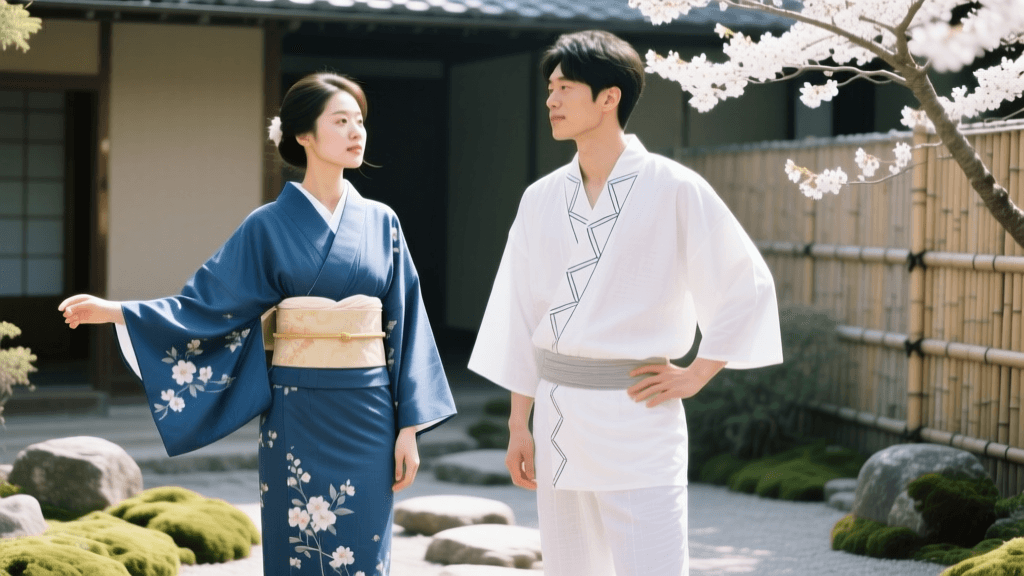
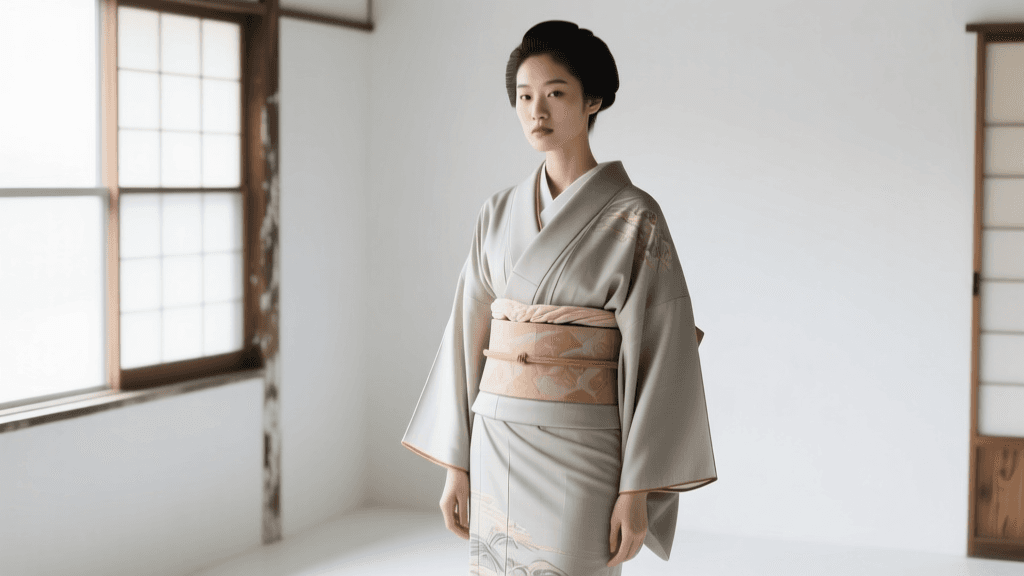
When wearing Hanfu internationally, the goal is often cultural diplomacy and personal expression. In fashion capitals like Paris, a Ming Dynasty Mamianqun paired with a modern, tailored blazer creates a stunning fusion look that respects both the garment's heritage and the city's contemporary street-style culture. In Kyoto, where traditional kimono are ubiquitous, wearing Hanfu requires a respectful approach; avoid overly flashy, stage-performance-grade accessories that might be misconstrued as theatrical costumes, and instead opt for elegant, subdued scholarly aesthetics.
Footwear and Accessories for the Modern Nomad
No Hanfu outfit is complete without accessories, but traditional items are rarely designed for modern transit. Long, intricate hair sticks made of fragile wood or heavy brass can trigger airport security alarms or snap inside a carry-on. The 2026 travel standard involves minimalist, modular hair accessories. Magnetic clasps have largely replaced traditional knot-tying for Pibo (silk stoles), allowing travelers to secure their garments quickly while navigating crowded subway turnstiles.
Footwear is equally critical. Traditional yunjian xie (cloud-step shoes) are beautiful but lack the arch support required for a day of exploring museums or walking on cobblestones. Modern Hanfu travelers heavily rely on 'Hanfu-adapted' sneakers—shoes featuring traditional embroidered uppers but built on modern, ergonomic athletic soles. These provide the necessary shock absorption for 20,000-step travel days while maintaining the visual harmony of the traditional silhouette.
Eco-Friendly Garment Care on the Road
Maintaining eco-friendly dyeing methods and natural textiles while traveling is a growing priority for sustainable fashion advocates. Many premium Hanfu pieces today utilize traditional plant-based dyes, such as indigo, madder root, and gardenia yellow. These natural dyes are notoriously sensitive to harsh, alkaline hotel laundry detergents, which can strip the color in a single wash.
To protect these artisanal garments, travelers in 2026 are packing concentrated, pH-neutral detergent sheets. These lightweight, zero-waste sheets dissolve in lukewarm water, allowing you to safely hand-wash silk and ramie garments in your hotel sink without risking the integrity of the natural dyes. Furthermore, avoiding direct, harsh sunlight when line-drying dyed silks in your hotel room will prevent UV-fading, ensuring your garments remain vibrant for years to come.
Conclusion
Traveling with a Hanfu wardrobe in 2026 is a rewarding endeavor that bridges the gap between ancient artistry and modern global exploration. By investing in transit-safe packing gear, understanding the climate-adaptive properties of traditional and modern fabrics, and respecting destination etiquette, you can seamlessly integrate traditional Chinese dress into your travel lifestyle. Whether you are walking the ancient walls of Xi'an or attending a gallery opening in Europe, a well-planned Hanfu travel capsule ensures you arrive in style, comfort, and cultural authenticity.