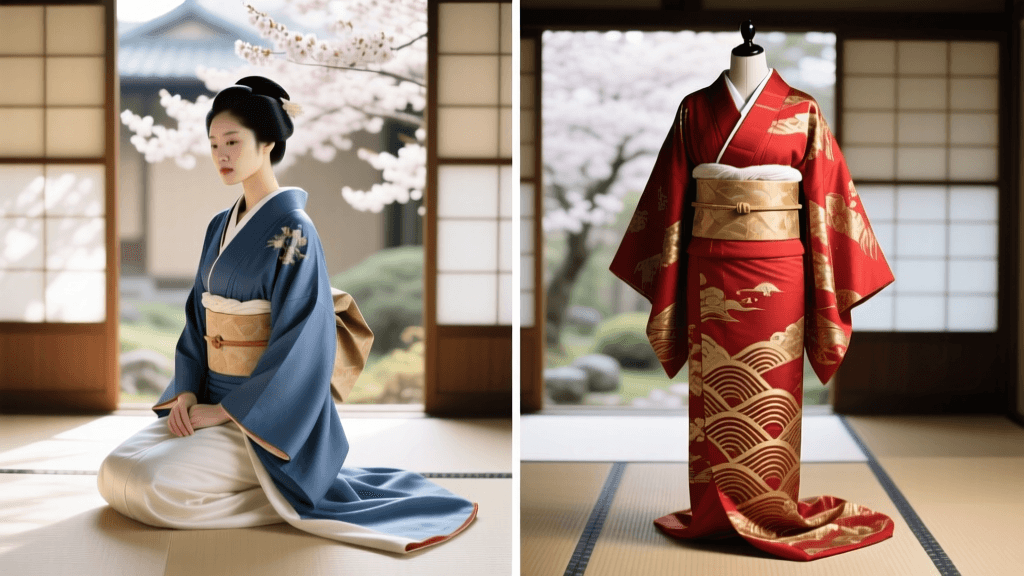
2026 Kimono Auction Guide: Appraising Secondhand Value
The 2026 Landscape of Vintage Kimono Auctions
As we navigate the fashion landscape of 2026, the intersection of sustainable heritage wear and horology-level collectibility has completely transformed the secondhand kimono market. No longer viewed merely as inexpensive souvenirs or theatrical props, vintage Japanese garments are now recognized globally as masterclasses in textile engineering and wearable art. The surge in eco-conscious luxury consumption has driven auction prices for rare, mid-century silks to unprecedented heights, making a deep understanding of value appraisal an essential skill for collectors, curators, and fashion historians alike.
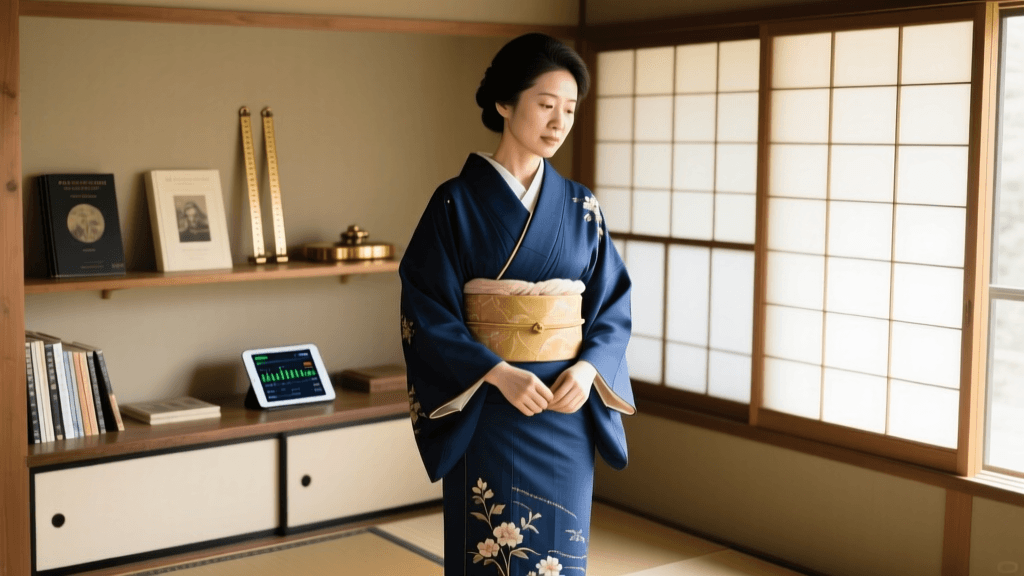
The modern auction ecosystem is highly digitized and globally accessible. While physical auction houses in Kyoto and Tokyo still host elite seasonal sales for museum-grade Nishijin-ori and Edo-period kosode, the bulk of the 2026 market volume occurs online. Platforms like Yahoo! Auctions Japan remain the undisputed epicenter of domestic trade, while specialized Instagram Live auctions hosted by multi-generational Kyoto dealers have become the preferred venue for international collectors seeking curated, pre-authenticated pieces. Furthermore, the integration of AI-assisted pattern recognition tools in 2026 has helped buyers pre-screen listings for era-accurate motifs, though the tactile nuances of silk grading still require human expertise.
Mastering Kimono Value Appraisal: The Appraiser's Eye
To successfully bid on secondhand kimono, one must look beyond the vibrancy of the surface pattern and evaluate the structural and historical integrity of the garment. Appraising a kimono requires a systematic approach to fabric, technique, formality, and condition.
Weaving and Dyeing Techniques
The foundation of any kimono's value lies in its creation method. Hand-painted resist-dyeing, such as Kaga Yuzen or Kyo Yuzen, commands a premium due to the hundreds of hours required to apply rice paste and layer natural dyes. Similarly, Shibori (intricate tie-dyeing) is evaluated by the tightness and complexity of its micro-pleats. A true Honza Shibori piece from the Showa era, featuring millions of hand-tied knots, will consistently outperform machine-pressed imitations at auction.
Woven textiles, particularly Oshima Tsumugi (mud-dyed pongee silk from Amami Oshima), represent the pinnacle of everyday luxury. The iron-rich mud reacts with the tannin from the native sago palm to create a colorfast, deeply saturated black-brown that is virtually impossible to replicate. The Japanese Ministry of Economy, Trade and Industry (METI) maintains a strict registry of these heritage techniques, which you can explore via their official traditional crafts database to verify the authenticity of regional claims made by auction sellers.
Decoding the Kamon (Family Crests)
The presence, number, and application of Kamon (family crests) dictate the garment's formality and, consequently, its auction ceiling. A kimono bearing five crests (Itsutsu-mon), positioned on the chest, sleeves, and upper back, is reserved for the highest formal occasions and is highly sought after for modern wedding attire. Three crests (Mitsu-mon) denote semi-formal wear, while a single crest (Hitotsu-mon) on the upper back indicates smart-casual formality. According to the Victoria and Albert Museum's extensive textile archives, the evolution of these crests from battlefield identifiers to Edo-period status symbols adds a layer of historical provenance that serious collectors actively seek out when appraising pre-war garments.
Condition Grading: Identifying Flaws
Vintage silk is a living, breathing fiber that reacts to decades of storage and wear. When reviewing auction photos, always zoom in on the following common flaws:
- Shimi (Stains): Age spots or watermarks, usually appearing as small brown or yellow halos. While light shimi on the lower hem can be hidden by an obi, stains on the chest or shoulders drastically reduce value.
- Hika (Sun Fading): Uneven fading across the shoulders and upper back caused by prolonged UV exposure. This is common in display-grade pieces and is considered a major structural detriment.
- Suso (Hem Fraying): Wear and tear along the bottom edge. Since kimono are frequently re-tailored, a frayed hem can sometimes be salvaged by shortening the garment, provided the overall length permits.
- Nuki (Seam Stress): Loose or popping threads along the side seams, indicating the silk has become brittle over time.
2026 Kimono Auction Pricing Matrix
Understanding current market valuations is critical to avoid overbidding in the heat of an auction. The table below outlines the estimated 2026 secondhand auction values for various kimono types, assuming they are in good to mint condition with no major structural flaws.
| Textile Type & Era | Key Characteristics | Condition (Good/Mint) | 2026 Est. Auction Value (USD) |
|---|---|---|---|
| Taisho-Roman Meisen (1920s-1930s) | Bold, Art Deco-inspired kasuri patterns; slightly stiffer silk | Good / Mint | $150 - $450 |
| Showa-era Kaga Yuzen (1950s-1970s) | Hyper-realistic floral motifs; five-color palette; signed by artisan | Good / Mint | $400 - $1,200 |
| Amami Oshima Tsumugi (Mid-Century) | Mud-dyed; micro-kasuri geometric patterns; lightweight pongee | Good / Mint | $800 - $2,500+ |
| Heisei/Reiwa Modern Furisode (2000s-2020s) | Long swinging sleeves; heavy gold leaf embroidery; synthetic blends | Good / Mint | $200 - $600 |
| Edo-Period Kosode (Pre-1868) | Museum-grade; fragile silk; historical provenance required | Fair (Fragile) | $3,000 - $10,000+ |
Note: Prices fluctuate based on seasonal demand, with Furisode peaking in December/January ahead of Japan's Coming of Age Day, and lighter Ro or Sha summer silks peaking in May.
Actionable Bidding Strategies for Global Collectors
Participating in Japanese domestic auctions from abroad requires strategic planning, especially regarding logistics and proxy bidding. In 2026, direct shipping from individual Japanese sellers to international addresses remains rare due to complex customs declarations for vintage textiles. Therefore, utilizing established proxy bidding platforms remains essential. Services outlined in ZenMarket's Yahoo! Auctions guide provide real-time translation, automated snipe bidding, and crucially, climate-controlled domestic warehousing that prevents silk from warping in humid Japanese summers before international dispatch.
The Art of the Snipe Bid
Kimono auctions on Yahoo! Japan frequently experience 'bid fever' in the final three minutes. To secure a piece at a rational price, utilize your proxy service's automated snipe bidding feature. Set your absolute maximum budget based on your appraisal of the garment's condition, factoring in the 10-15% proxy fee and international shipping costs. Let the software place your bid in the final 10 seconds of the auction to avoid artificially inflating the price through incremental bidding wars.
Verifying Measurements
Unlike Western clothing, kimono are sold based on flat measurements rather than standardized sizes. Before placing a bid, you must verify two critical dimensions listed in the auction description:
- Yuki (Sleeve Span): Measured from the center back of the neck, across the shoulder, and down to the wrist. A standard modern yuki is around 64-68cm. Vintage garments from the Taisho era often have much shorter yuki (58-62cm) due to the smaller average stature of the time, which may require costly professional re-tailoring.
- Mitake (Back Length): Measured from the base of the collar to the bottom hem. This determines if the kimono will reach your ankles properly when folded at the waist with an obi.
Preserving Heritage in a Modern Market
The 2026 secondhand kimono market is a thrilling frontier where fashion history, textile science, and global commerce intersect. By mastering the nuances of weave identification, understanding the strict hierarchy of family crests, and employing disciplined proxy bidding strategies, collectors can build extraordinary archives of Japanese heritage. Whether you are hunting for a fragile Edo-period museum piece or a vibrant Taisho-era Meisen for contemporary streetwear styling, the key to success lies in rigorous appraisal and a deep respect for the artisans who originally brought these magnificent silks to life.