Xin Zhongshi Runway 2026: Chinese Fashion at Paris Design Week
The Global Ascent of Xin Zhongshi in 2026
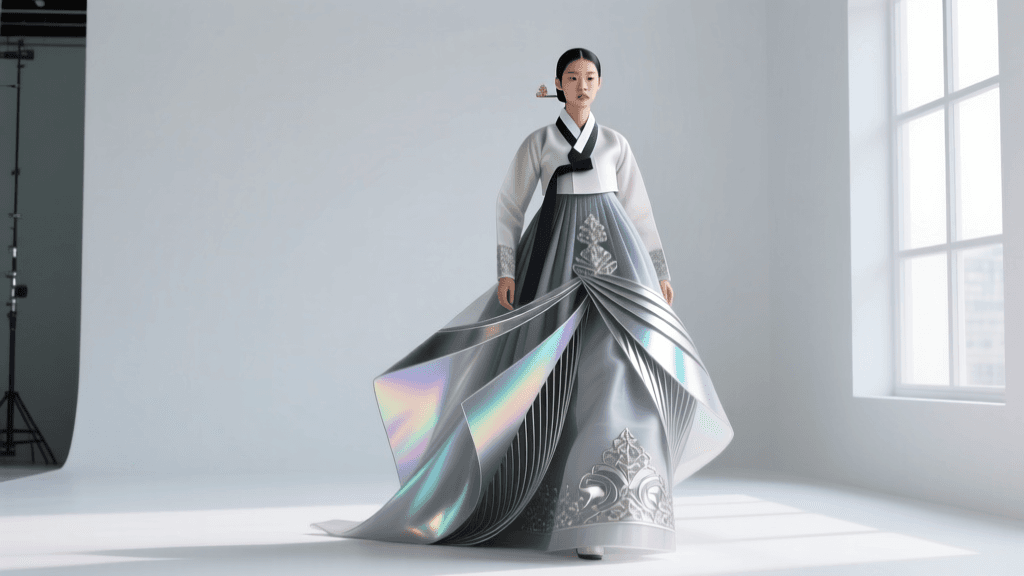
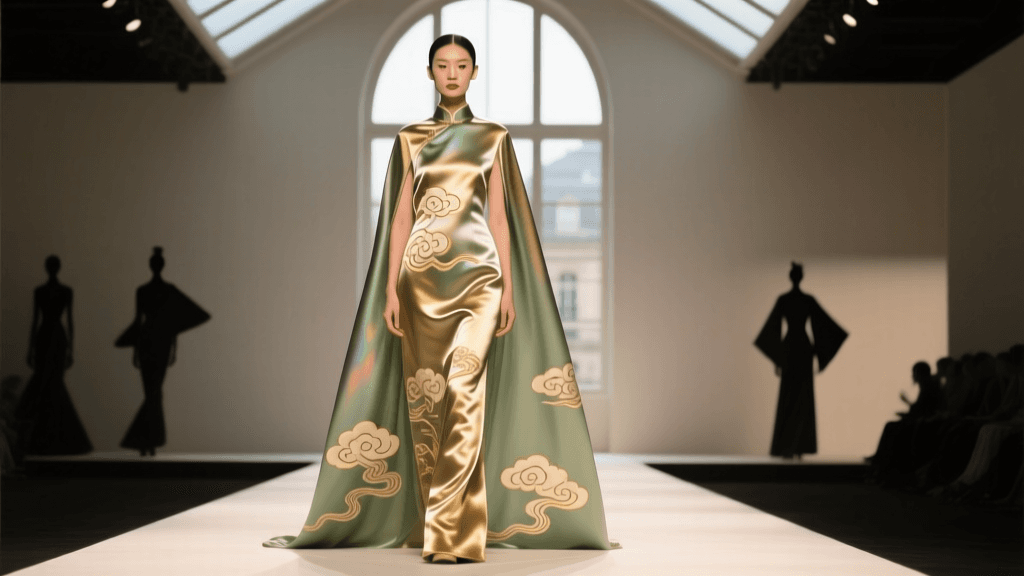
The international fashion landscape has undergone a profound transformation in 2026, with the Xin Zhongshi (新中式), or 'New Chinese Style,' movement evolving from a regional streetwear phenomenon into a dominant force on the global runway. During the latest Paris and Milan Design Weeks, top-tier ateliers and emerging Chinese designers alike have moved past superficial orientalist motifs. Instead, they are presenting deeply researched, structurally authentic traditional garments reimagined for the modern wardrobe. This year's exhibitions highlight a meticulous return to ancient weaving techniques, sustainable wellness practices in textile creation, and a sophisticated understanding of fabric drape analysis that bridges the Ming Dynasty with contemporary haute couture.
For collectors, enthusiasts, and fashion historians, the 2026 runway season offers a masterclass in how heritage textiles like Xiangyunsha and Song Brocade are being utilized not merely as decorative accents, but as the foundational architecture of modern luxury garments. Understanding these trends requires a deep dive into the materials, the structural engineering of the garments, and the practicalities of sourcing and preserving these museum-quality pieces.
Xiangyunsha and Song Brocade: Ancient Textiles on Modern Runways
At the forefront of the 2026 Paris exhibitions is the unprecedented use of Xiangyunsha (Gambiered Canton Gauze). Historically prized for its cooling properties and distinctive rustling sound, this silk is dyed using the tannin-rich sap of the Dioscorea cirrhosa plant and coated with iron-rich river mud. According to archival research preserved by the China Silk Museum, this complex, multi-week dyeing process yields a fabric that is naturally antibacterial, water-resistant, and incredibly durable. In 2026, designers are favoring a heavy 30-momme weight Xiangyunsha to create structured, architectural blazers and wide-legged trousers that hold their shape on the runway, departing from the flowing, delicate qipaos of previous decades.
Alongside Xiangyunsha, Song Brocade (Songjin) has seen a massive resurgence. Characterized by its intricate, multi-layered jacquard weaving and subtle, matte-luster finish, Song Brocade is being utilized in 2026 for evening wear that requires a stiff, sculptural drape. Designers are pairing these ancient textiles with modern, minimalist silhouettes, allowing the historical complexity of the weave to serve as the sole focal point of the garment. The integration of these textiles aligns with a broader industry shift toward 'textile wellness'—a practice emphasizing the meditative, slow-fashion processes of hand-weaving and natural dyeing, which resonate deeply with modern consumers seeking mindfulness in their sartorial choices.
Fabric Drape Analysis: Flat Cutting vs. Modern Tailoring
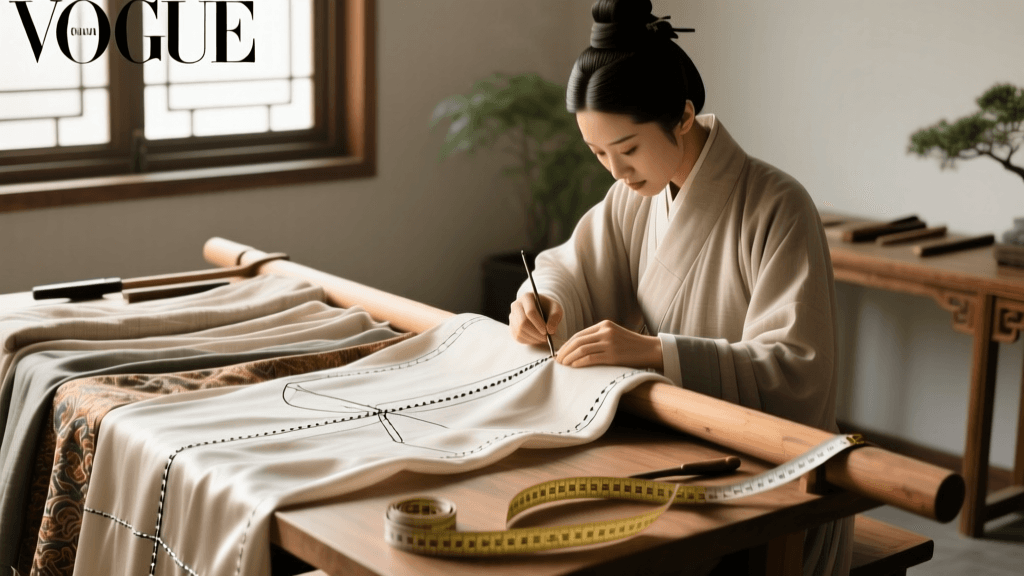
A critical element of the Xin Zhongshi movement showcased in 2026 is the sophisticated fabric drape analysis applied to traditional flat-cutting techniques. Historically, Chinese garments like the Hanfu and early Qing robes were constructed using flat, geometric panels that relied on the body's movement to create shape, rather than the Western tradition of darting and bias-cutting to mold the fabric to the body's static curves.
This season, international design houses have mastered the hybridization of these two philosophies. By utilizing the traditional 'Shi' (cross-collar) and 'Ling' (standing collar) structures, but introducing subtle internal tension lines and modern shoulder engineering, designers are achieving a drape that honors the voluminous, flowing aesthetics of antiquity while providing the ergonomic comfort expected in 2026. The result is a garment that moves with a liquid grace, creating dynamic, sculptural folds that photograph beautifully on the runway and translate seamlessly to high-end urban environments.
Runway to Reality: The Mamianqun Evolution
The Mamianqun, or 'horse-face skirt,' remains the most commercially viable and culturally significant garment to emerge from the Xin Zhongshi movement. Originally popularized during the Ming and Qing dynasties, the skirt features a flat front and back panel with heavily pleated sides. In 2026, the Mamianqun has been elevated from a niche historical reproduction to a staple of international luxury fashion.
Designers are experimenting with pleat depths, waistband constructions, and fabric blends to adapt the skirt for various climates and occasions. Below is a comparative analysis of the Mamianqun silhouettes presented during the 2026 Design Week season, categorized by their intended use and construction specifications.
| Feature | Haute Couture Runway | Atelier Custom (Bespoke) | Ready-to-Wear (Street) |
|---|---|---|---|
| Primary Fabric | 100% Mulberry Silk Song Brocade | Heavyweight Xiangyunsha (30-momme) | Silk-Wool Blend or Tencel |
| Pleat Structure | Knife pleats, 4cm depth, heat-set | Box pleats, 5cm depth, hand-stitched | Machine-pressed, 3cm depth |
| Waistband | Structured corset-style, boned | Traditional flat linen tie-band | Elasticated with hidden zip |
| Drape & Weight | Sculptural, heavy, voluminous | Fluid, moderate weight, elegant | Lightweight, practical, breezy |
| Estimated 2026 Cost | $4,500 - $8,000+ USD | $800 - $1,500 USD | $120 - $350 USD |
Sourcing Authentic Atelier Pieces in 2026
For collectors looking to acquire authentic, exhibition-grade Xin Zhongshi pieces, navigating the 2026 market requires an understanding of atelier lead times and material authenticity. True Xiangyunsha cannot be rushed; the sun-drying and mud-coating process is entirely dependent on the specific humidity and UV index of the Lingnan region in southern China. Consequently, bespoke orders placed with master weavers in Guangdong or Suzhou currently carry a lead time of 14 to 18 weeks.
When sourcing, buyers must request a 'burn test' certificate or a spectrographic analysis report from the atelier to verify the natural tannin dye, as the market has been flooded with synthetic, chemically dyed imitations that mimic the dark brown and black hues of authentic Xiangyunsha. Furthermore, authentic Song Brocade should exhibit a distinct, raised texture on the reverse side, indicating a true multi-layered jacquard weave rather than a surface-level digital print. Prices for authentic, custom-fitted jackets utilizing these heritage textiles typically range from $1,200 to $2,500 USD in 2026, reflecting the intense manual labor and scarce raw materials involved.
Archival Storage and Textile Wellness
Acquiring a runway-grade traditional garment is only the first step; preserving it requires stringent adherence to archival storage maintenance protocols. The natural dyes used in Xin Zhongshi garments, particularly the iron-rich mud coatings of Xiangyunsha and the botanical dyes of Song Brocade, are highly sensitive to environmental fluctuations. According to conservation guidelines outlined by the Victoria and Albert Museum, Asian silk textiles require a stable microclimate to prevent the degradation of protein fibers and the fading of organic pigments.
To maintain these garments in pristine condition, collectors must store them in a climate-controlled environment maintaining a relative humidity (RH) of exactly 45% to 55%, with a strict temperature ceiling of 20°C (68°F). Garments should never be hung on wire or wooden hangers, as the weight of heavy 30-momme silks and brocades will cause irreversible shoulder distortion and pleat stretching. Instead, Mamianqun and heavy robes should be gently folded with acid-free, unbuffered tissue paper to cushion the folds, and placed in breathable, archival-grade cotton storage boxes.
Additionally, the traditional use of natural camphor wood blocks is highly recommended over synthetic mothballs, which can chemically react with the tannins in Xiangyunsha, causing permanent discoloration. By treating the storage of these garments as an extension of the wellness and mindfulness practices inherent in their creation, collectors ensure that these vital pieces of Asian cultural heritage remain intact for future generations, preserving the legacy of the 2026 Xin Zhongshi runway renaissance.