Xin Zhongshi Runway Trends at Paris Fashion Week 2026
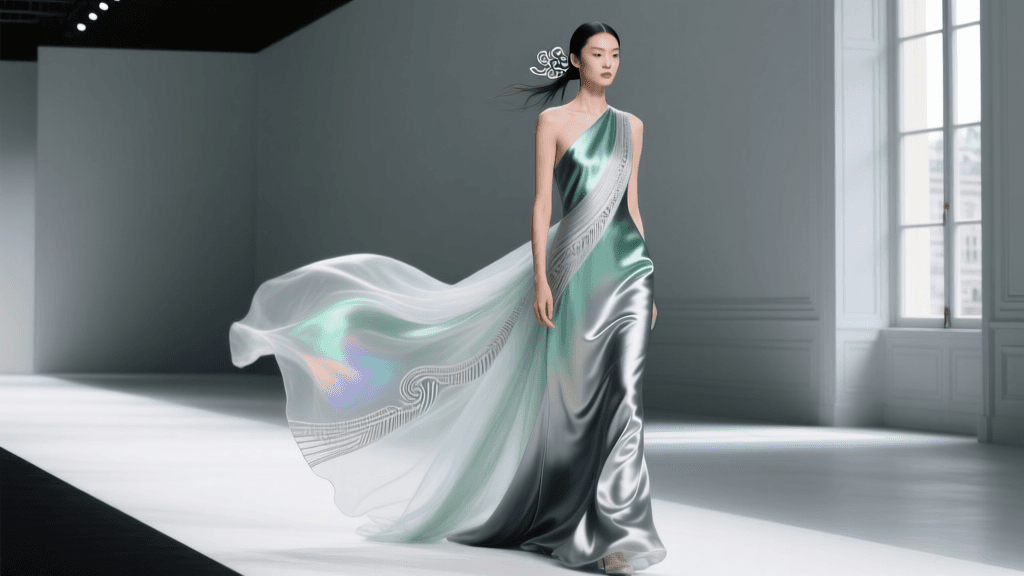
The global fashion landscape has undergone a seismic shift in 2026, with Paris Fashion Week serving as the ultimate proving ground for cross-cultural sartorial innovation. Among the most captivating movements to dominate the Spring/Summer and Autumn/Winter 2026 runways is Xin Zhongshi (新中式), or the 'New Chinese Style.' No longer confined to domestic streetwear or niche ceremonial wear, Xin Zhongshi has been elevated to haute couture and luxury ready-to-wear, captivating international buyers, critics, and textile enthusiasts. At the heart of this 2026 runway revolution is the masterful integration of ancient weaving techniques, structural flat-cutting, and heritage textiles like Xiangyunsha (gambiered Canton gauze) into modern, global silhouettes.
The 2026 Xin Zhongshi Paradigm Shift
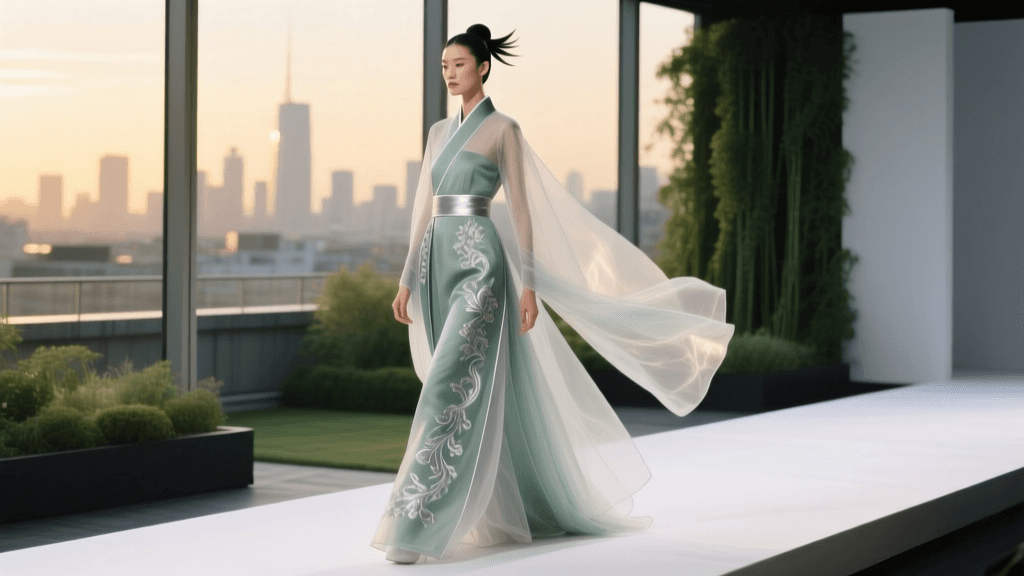
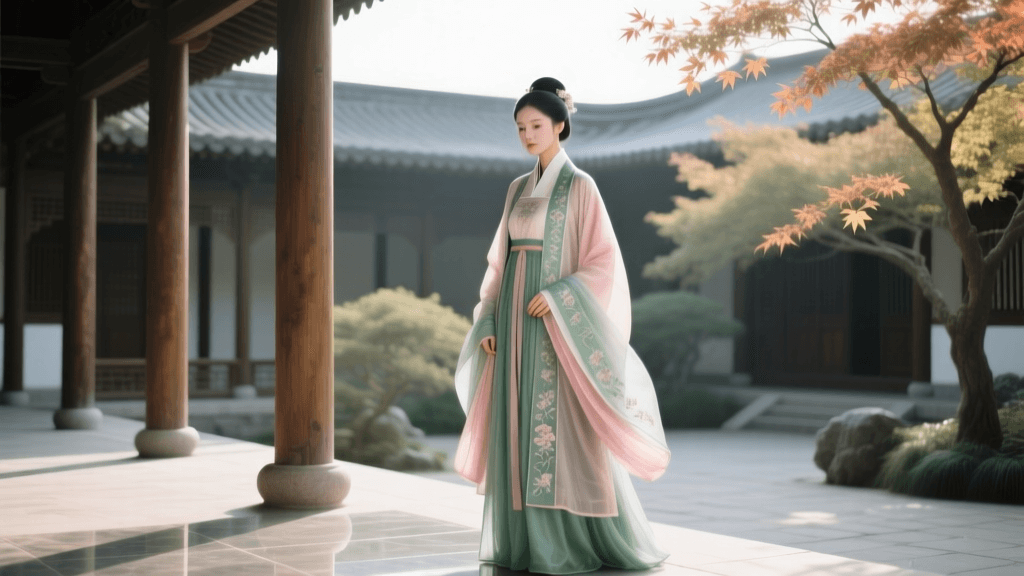
In previous seasons, international interpretations of Chinese fashion often relied on superficial motifs—embroidered dragons, mandarin collars, and bold red silks. However, the 2026 Paris Fashion Week collections showcase a profound maturation in design philosophy. Today's leading designers are delving into the structural and philosophical foundations of traditional Chinese garments. The focus has shifted to the interplay of negative space, the fluidity of the drape, and the intrinsic properties of heritage fabrics. This approach aligns perfectly with the global luxury market's current appetite for 'quiet luxury' and sustainable, artisanal craftsmanship. By deconstructing the traditional hanfu and the iconic mamianqun (horse-face skirt), designers are creating hybrid garments that honor ancient Asian traditions while functioning seamlessly in a contemporary, cosmopolitan wardrobe.
Xiangyunsha: The Breakout Heritage Textile
If there is one textile that defines the 2026 international runway season, it is Xiangyunsha. Originating from the Guangdong province, this extraordinary silk is dyed using the juice of the Dioscorea cirrhosa tuber and coated with iron-rich river mud, a process that results in a distinctive dual-toned fabric. The front side boasts a deep, lustrous black with a subtle, leather-like sheen, while the reverse reveals a rich, earthy terracotta hue.
The unique cracking effect on the surface of Xiangyunsha, which develops organically over time, gives each garment a living, breathing quality that synthetic textiles cannot replicate. Recognized globally for its cultural significance, the complex dyeing and finishing technique is officially protected on UNESCO's Intangible Cultural Heritage list. On the 2026 Paris runways, designers utilized Xiangyunsha for structured trench coats, wide-leg trousers, and asymmetrical wrap dresses, capitalizing on its natural stiffness and water-resistant properties to create avant-garde silhouettes that hold their shape without the need for heavy synthetic interfacings.
Fabric Drape Analysis: Structural Innovations
A critical element of the Xin Zhongshi movement is the juxtaposition of traditional Chinese flat-cutting with Western three-dimensional tailoring. Traditional Chinese garments are historically cut from flat planes of fabric, relying on the body's movement to create the drape and silhouette. In contrast, Western tailoring utilizes darts, seams, and padding to sculpt the fabric to the body's static form. The 2026 runway collections masterfully bridge this gap.
Designers are employing 'hybrid tailoring,' where the bodice features precise Western corsetry or shoulder structuring, while the lower half cascades in traditional flat-cut pleats. This technique allows for a dramatic, sweeping drape that moves beautifully down the runway while maintaining a sharp, modern fit through the torso. Below is a comparative analysis of the heritage techniques and their 2026 runway applications.
| Heritage Technique | Traditional Origin & Purpose | 2026 Runway Application |
|---|---|---|
| Mamianqun Pleating | Ming Dynasty; flat, overlapping pleats for ease of horseback riding and modesty. | Integrated into high-waisted, floor-length evening skirts with heat-set permanent creases for architectural volume. |
| Xiangyunsha Mud-Dyeing | Qing Dynasty; waterproofing and cooling properties for humid southern climates. | Used in structured, oversized outerwear and modular layering pieces, leveraging the fabric's natural stiffness. |
| Shaping (Flat-Cutting) | Traditional Hanfu; 2D cutting relying on sashes and belts to create 3D form. | Combined with hidden internal corsetry to create seamless, dart-less bodices that drape fluidly over the hips. |
| Song Brocade Weaving | Song Dynasty; intricate, multi-colored geometric and floral patterns for scholarly robes. | Reimagined in monochromatic, tone-on-tone jacquard weaves for subtle, understated luxury suiting. |
International Exhibitions and Cultural Context
The runway shows in Paris are heavily supported by concurrent museum exhibitions and cultural showcases that provide historical context to international buyers and fashion historians. Institutions are increasingly recognizing the technical brilliance of Asian textile history. For instance, curatorial approaches seen in the Victoria and Albert Museum's Asian textile archives have heavily influenced how contemporary designers research and source historical patterns. During Paris Fashion Week 2026, several pop-up exhibitions at the Palais de Tokyo featured tactile displays of raw Xiangyunsha mud-dyeing processes and Song brocade looms, allowing attendees to understand the immense labor and time required to produce these heritage textiles. This educational component has been crucial in justifying the premium price points of Xin Zhongshi luxury garments to a Western audience.
Actionable Guide: Sourcing, Sizing, and Care for Xin Zhongshi
For boutique owners, fashion stylists, and collectors looking to incorporate 2026 Xin Zhongshi pieces into their portfolios or wardrobes, understanding the practical nuances of these garments is essential. Heritage fabrics require specialized care and a different approach to sizing compared to standard Western ready-to-wear.
1. Sizing and Fit Considerations
- Shoulder Seams: Traditional flat-cut garments often feature dropped or extended shoulder seams. When buying hybrid Xin Zhongshi pieces, ensure the structural elements (like padded shoulders or corsetry) align with your natural measurements, while allowing the draped sleeves to fall naturally past the wrist bone.
- Skirt Lengths: The modern mamianqun is designed to sit at the natural waist. For a 2026 runway-inspired look, the hem should graze the top of the footwear. Measure from your natural waist to the floor while wearing your intended shoes, and add 2 inches for the waistband overlap.
2. Care and Maintenance of Xiangyunsha
- Washing: Never machine wash or dry clean Xiangyunsha. The mud-coating and natural dyes are sensitive to harsh chemicals. Hand wash gently in cold water using a pH-neutral silk detergent.
- Drying: Do not wring the fabric. Roll it in a clean, dry towel to absorb excess moisture, then lay it flat in the shade. Direct sunlight will degrade the natural tuber dyes and cause the terracotta reverse side to fade prematurely.
- Storage: Store Xiangyunsha garments on wide, padded hangers to maintain the structural integrity of the shoulders. Avoid folding, as the natural stiffness of the fabric can lead to permanent cracking along the fold lines over time.
3. Styling for the Modern Wardrobe
To achieve the 2026 Xin Zhongshi aesthetic, balance is key. Pair a heavily structured, Xiangyunsha wrap jacket with minimalist, high-quality tailored trousers in matte wool or silk crepe. Allow the heritage textile to be the focal point of the ensemble. For evening wear, a monochromatic Song brocade slip dress layered under a sharp, oversized blazer perfectly encapsulates the East-meets-West ethos that is currently dominating the global fashion capital.
Conclusion
The triumph of Xin Zhongshi at Paris Fashion Week 2026 marks a pivotal moment in the globalization of Asian traditions. By moving beyond pastiche and embracing the structural, material, and philosophical depths of Chinese garment history, designers are offering the world a masterclass in sustainable, culturally rich luxury. As heritage textiles like Xiangyunsha continue to captivate international audiences, the line between ancient craftsmanship and cutting-edge contemporary fashion will only continue to blur, cementing the New Chinese Style as a permanent and vital pillar of the global luxury market.