2026 Hanfu Milestones Guide: Weddings & Coming of Age Ceremonies
The Evolution of Hanfu for Life Milestones in 2026
As we navigate through 2026, the Hanfu movement has matured far beyond casual streetwear and festival fashion. Today, traditional Han Chinese clothing is the premier choice for life's most significant milestones, seamlessly blending historical reverence with modern ceremonial needs. According to cultural analyses featured in Smithsonian Magazine, the revival of these garments represents a profound reconnection with ancestral heritage, transforming how a new generation approaches marriage, adulthood, and academic achievement. In 2026, sourcing, tailoring, and wearing Hanfu for formal rites requires an understanding of dynastic accuracy, fabric technology, and ceremonial etiquette. This comprehensive guide explores the essential garments, styling protocols, and market realities for milestone events this year.
Coming of Age Rites: Guan Li and Ji Li
The transition into adulthood is historically marked by the Guan Li (capping ceremony) for men and the Ji Li (hairpinning ceremony) for women. Rooted in Zhou dynasty traditions but widely adapted through the Song and Ming eras, these rites are experiencing a massive resurgence among university students and cultural societies in 2026. The Ji Li ceremony traditionally involves three distinct outfit changes, symbolizing the progressive assumption of adult responsibilities.
The Three Additions of the Ji Li
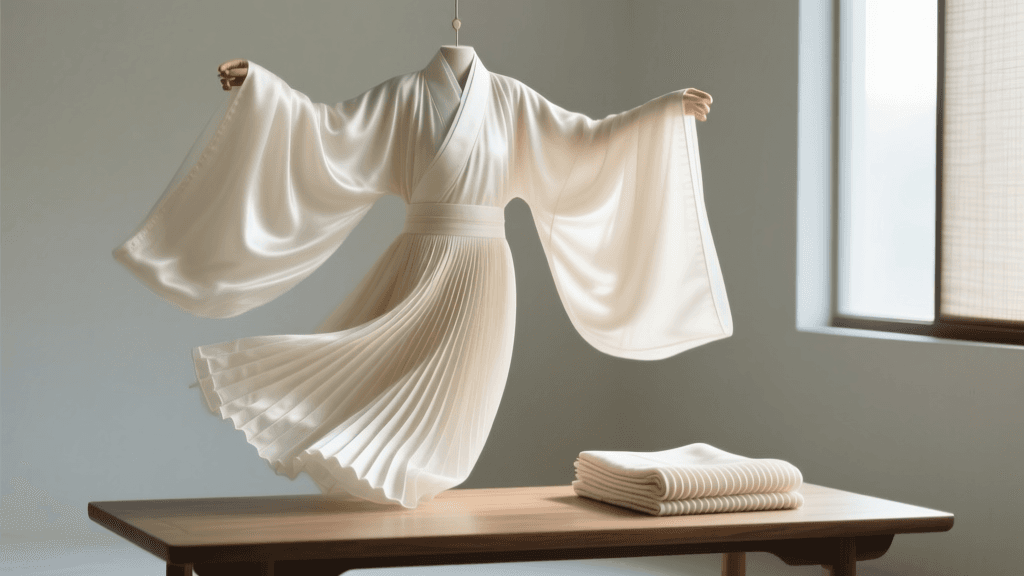
For modern practitioners recreating this rite, the first addition typically features a simple Song Dynasty Beizi (long parallel-collar coat) paired with a pleated skirt, representing the innocence of youth. The second addition introduces a more formal Ming Dynasty Aoqun (lined jacket and skirt), signifying the readiness to participate in societal duties. The final addition is a grand Daxiushan (large-sleeved robe) or a formal Zhiduo, paired with an elaborate hairpinning using jade or ethically sourced gold alloys. In 2026, many families opt for eco-friendly Xiangyunsha (gambiered Guangdong gauze) for these garments, as its breathable, sweat-resistant properties make it ideal for lengthy outdoor ceremonies during the spring and autumn equinoxes.
Modern Adaptations for 2026 Graduations
University graduations in 2026 have seen a definitive shift, with Hanfu frequently replacing or complementing Western academic gowns. The Tang Dynasty Tanling Ruqun (U-necked short jacket and high-waisted skirt) and the Ming Dynasty round-collar robes are particularly popular. These styles offer the structural dignity required for academic processions while allowing graduates to showcase their cultural identity. When selecting graduation Hanfu, institutions and students in 2026 are prioritizing wrinkle-resistant silk blends and machine-washable brocades, ensuring the garments remain pristine throughout long commencement schedules.
Hanfu Weddings: The Pinnacle of Ceremonial Dress
For weddings, the Ming Dynasty aesthetic remains the undisputed gold standard in 2026. The Ming era established strict sumptuary laws that allowed commoners to wear aristocratic styles on their wedding day, a tradition that cemented the opulent 'Fengguan Xiapei' (Phoenix Crown and Rosy Cape) as the ultimate bridal ensemble. The Metropolitan Museum of Art notes that Ming textile arts reached unparalleled heights in weaving and embroidery, which is directly reflected in today's premium bridal reproductions.
Deconstructing the 2026 Bridal Ensemble
A historically accurate Ming bridal outfit requires meticulous layering. The foundation begins with the Zhongyi (white cotton or silk undergarments), followed by a Zhuise (deep red) Zhiduo or Yuanlingpao (round-collar robe). Over this, the bride wears the iconic Mamianqun (horse-face skirt). In 2026, the most sought-after Mamianqun feature 'Zhuanghua' (woven brocade) patterns of dragons, phoenixes, and peonies, created using modernized jacquard looms that reduce the garment's weight without sacrificing the metallic sheen of the gold threads.
The crowning glory is the Xiapei, a V-shaped embroidered stole that drapes over the shoulders and is weighted with jade or gold pendants at the back to ensure perfect drape. The Fengguan (phoenix crown) in 2026 has moved away from the controversial use of real kingfisher feathers, embracing 'Tian-tsui' alternatives made from dyed silk threads, enamel, and lab-created pearls, offering a cruelty-free yet visually identical masterpiece that can weigh upwards of three kilograms.
Groom's Attire: The Yuanlingpao and Wushamao
For the groom, the standard 2026 wedding attire is the Ming Dynasty Yuanlingpao (round-collar robe) in deep crimson or navy blue, featuring rank badge embroidery (Buzi) on the chest and back. This is paired with the Wushamao (black winged hat) and a leather or silk ceremonial belt. Grooms in 2026 are increasingly opting for custom-tailored robes with hidden interior pockets and moisture-wicking linings to maintain comfort during multi-hour tea ceremonies and banquet greetings.
The Xin Zhongshi Influence on Formal Rites
The 'Xin Zhongshi' (New Chinese Style) movement of 2026 has subtly influenced formal Hanfu, particularly in the realm of ancestral rites and engagement dinners. While strict historical accuracy is preferred for the main wedding ceremony, pre-wedding events often feature Xin Zhongshi adaptations. These include tailored silk blazers with subtle cloud-collar (Yunjian) embroidery, or modified Mamianqun with concealed zippers and adjustable waistbands. This fusion allows wearers to honor traditional motifs while enjoying the convenience of modern bespoke tailoring.
Milestone Garment Comparison Chart (2026)
| Milestone | Recommended Dynasty | Core Garments | 2026 Est. Custom Cost (USD) |
|---|---|---|---|
| Coming of Age (Ji Li) | Song / Ming | Beizi, Pleated Skirt, Aoqun | $250 - $450 |
| Traditional Wedding (Bride) | Ming | Yuanlingpao, Mamianqun, Xiapei, Fengguan | $1,200 - $3,500 |
| Traditional Wedding (Groom) | Ming | Yuanlingpao, Wushamao, Ceremonial Belt | $400 - $800 |
| University Graduation | Tang / Ming | Tanling Ruqun, Round-Collar Robe | $150 - $300 |
| Ancestral Rites | Zhou / Han | Shenyi, Xuanduan | $300 - $600 |
Footwear and Accessories for Formal Ceremonies
No milestone Hanfu ensemble is complete without the correct footwear and accessories. For weddings and coming-of-age rites, the traditional Yunjian Xie (cloud-toe shoes) are mandatory. In 2026, artisans are crafting these shoes with memory-foam insoles and flexible rubber outsoles disguised beneath silk brocade uppers, solving the historical issue of discomfort during long periods of standing and kneeling. Accessories such as jade hairpins (Zan), floral crowns (Huasheng), and folding fans with calligraphy are essential. For men, a ceremonial jade pendant (Yupei) suspended from the waist belt is crucial, as it historically regulated the wearer's walking pace, ensuring a dignified and measured stride during processions.
Sourcing, Fitting, and Lead Times in 2026
Sourcing milestone Hanfu in 2026 requires careful planning, especially for custom wedding ensembles. Top-tier studios specializing in Ming Dynasty reproductions require a lead time of three to six months. The integration of AR (Augmented Reality) fitting technology has revolutionized overseas ordering; buyers can now submit 3D body scans via smartphone apps, allowing tailors in Suzhou and Hangzhou to cut patterns with millimeter precision. When budgeting for a 2026 wedding, couples must also account for the cost of professional Hanfu dressing services. The complexity of layering a Fengguan and securing a Xiapei requires a trained stylist, a service that typically costs between $150 and $300 for the day of the event.
Storage and Maintenance of Ceremonial Garments
Given the significant financial and emotional investment in milestone Hanfu, proper storage is critical. Heavy brocade Mamianqun should never be hung, as the weight of the fabric will distort the intricate knife-pleats over time. Instead, they must be folded along their original pleat lines with acid-free tissue paper and stored in breathable cedar boxes. Silk Xiapei and Fengguan components require climate-controlled environments to prevent the oxidation of metallic threads and the degradation of silk proteins. In 2026, many collectors utilize smart storage wardrobes equipped with humidity sensors to maintain the optimal 45-55% relative humidity required for preserving these heirloom garments for future generations.
Conclusion
The integration of Hanfu into life's most pivotal moments is a testament to the enduring power of cultural memory. Whether stepping into adulthood through the Ji Li, walking the aisle in a magnificent Ming Dynasty Fengguan, or crossing the graduation stage in a Tang-inspired Ruqun, the garments of 2026 offer a profound connection to the past. By understanding the historical context, respecting the layering protocols, and leveraging modern tailoring innovations, individuals can ensure their milestone ceremonies are both culturally authentic and deeply personal.