2026 Hanfu Travel Wardrobe: Packing for Kyoto & Seoul
The Rise of the Global Hanfu Traveler in 2026
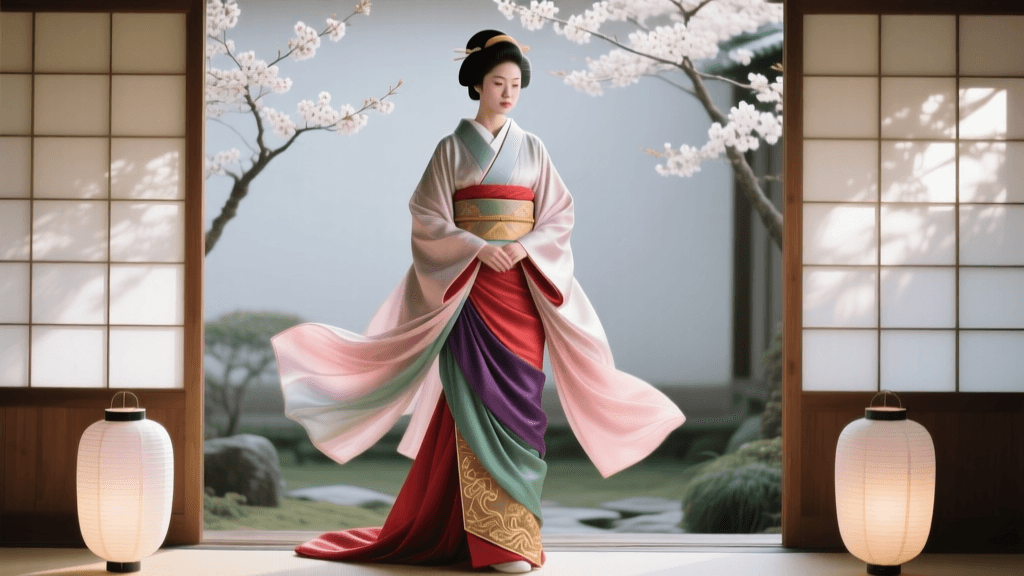
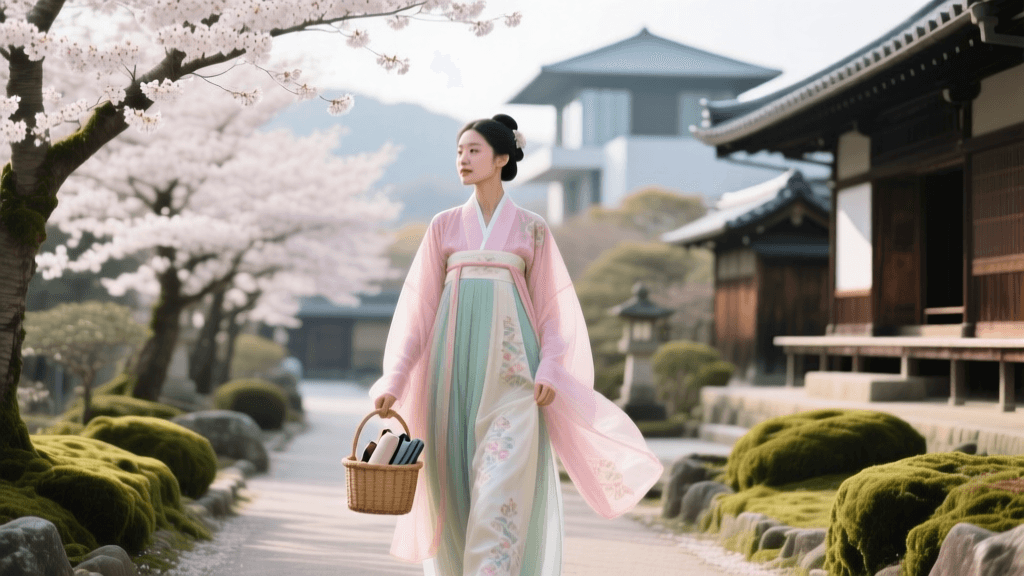
As we navigate the vibrant travel season of 2026, the intersection of heritage fashion and global tourism has reached new heights. Hanfu, the traditional clothing of the Han Chinese, is no longer confined to domestic photography shoots or local festivals. Today, an increasing number of cultural enthusiasts are integrating Hanfu into their international travel wardrobes, particularly for spring trips to iconic Asian destinations like Kyoto, Japan, and Seoul, South Korea. Cherry blossom season offers a breathtaking backdrop for the flowing silhouettes of traditional Chinese garments, but it also presents unique logistical challenges regarding packing, climate adaptation, and cultural etiquette.
Creating a functional Hanfu travel wardrobe requires a strategic approach. Unlike modern Western clothing, Hanfu features intricate pleats, delicate silk blends, and multiple layering components that demand careful packing. This comprehensive guide will walk you through building a versatile 2026 spring Hanfu capsule wardrobe, mastering the art of folding traditional garments, and navigating the cultural nuances of wearing Hanfu abroad.
Building Your 2026 Spring Hanfu Capsule Wardrobe
A successful travel wardrobe relies on mix-and-match versatility. For a two-week spring trip covering both Kyoto and Seoul, you need garments that can transition from crisp, sunny mornings to brisk, windy evenings. According to the Japan National Tourism Organization, spring in Kyoto brings daytime highs of around 19°C (66°F) but temperatures can drop significantly at night. Similarly, the Korea Tourism Organization notes that Seoul's spring climate is notoriously unpredictable, often featuring sudden cold snaps and fine dust weather. Your capsule must be adaptable.
The Foundation: Zhongyi (Inner Garments)
The Zhongyi serves as the base layer for almost all Hanfu outfits. For travel, pack at least three sets of Zhongyi tops and bottoms. In 2026, the best travel-friendly Zhongyi are crafted from bio-washed bamboo cotton or modal blends. These fabrics offer excellent moisture-wicking properties, resist wrinkling, and dry incredibly fast if you need to wash them in a hotel sink. Stick to neutral colors like white, ivory, or pale beige, as these will not show through lighter outer layers.
The Statement Piece: Mamianqun (Horse-Face Skirt)
The Mamianqun is the undisputed queen of the Hanfu wardrobe. Characterized by its flat front and back panels with heavily pleated sides, this skirt is highly versatile. For a spring capsule, pack two Mamianqun. One should be a lightweight, woven jacquard in a pastel or floral motif suitable for daytime temple visits and park strolls. The second should be a solid-colored, slightly heavier Tencel-linen blend for evening dinners or cooler days. The structured waistband of the Mamianqun also makes it surprisingly easy to pair with modern knitwear or tailored blazers for a fusion look when you want to tone down the traditional aesthetic.
Versatile Tops: Ao and Ru
To pair with your skirts, pack a mix of Ru (lightweight, unlined tops) and Ao (lined or thicker tops). A cross-collar Ru in a breathable linen blend is perfect for warmer afternoons in Seoul. For cooler days in Kyoto, a stand-collar Ao with subtle embroidery provides both warmth and elegance. Look for 2026 collections that feature hidden snap closures or magnetic clasps alongside traditional ties, as these modern innovations drastically reduce the time it takes to dress in a hotel room.
Layering for Spring: Pifeng and Bijia
Layering is essential for variable spring weather. A Pifeng (a long, open-front cape) is an excellent addition to your suitcase. It drapes beautifully over the shoulders, adds a dramatic flair to your silhouette, and provides an extra layer of warmth without restricting arm movement. Alternatively, a Bijia (a sleeveless vest) is perfect for transitional weather, keeping your core warm while allowing the wide sleeves of your Ao or Ru to remain visible.
Fabric Technology and Climate Adaptation
The Hanfu industry has seen remarkable textile innovations leading up to 2026. While pure silk remains the gold standard for ceremonial wear, it is a poor choice for travel due to its susceptibility to water spots, wrinkling, and tearing. Instead, modern Hanfu enthusiasts favor advanced Tencel-linen blends, high-density polyester chiffons, and wrinkle-treated cotton sateens. These fabrics mimic the drape and sheen of silk but can withstand the rigors of being stuffed into a suitcase. When shopping for your travel wardrobe, always check the fabric composition and prioritize materials labeled as 'crepe' or 'textured,' as these naturally hide wrinkles and travel creases.
The Art of Packing Hanfu: Folding and Protection
Packing Hanfu requires a departure from standard folding methods. As documented by the Metropolitan Museum of Art, the structural integrity of traditional Chinese garments relies heavily on flat-cutting techniques and precise pleating. Improper folding can permanently ruin the sharp knife pleats of a Mamianqun.
- The Accordion Method for Mamianqun: Never fold a pleated skirt in half. Instead, lay it flat, align the pleats perfectly, and fold it in an accordion style along the existing pleat lines. Once folded into a long rectangle, roll it gently from the bottom hem to the waistband to prevent hard creases.
- The Roll Technique for Tops: Cross-collar tops should be laid flat, with the sleeves folded inward to create a long rectangle. Roll the garment tightly from the bottom hem to the collar. This minimizes surface area and prevents deep wrinkles across the chest.
- Garment Bags and Tissue Paper: Place your folded Hanfu in breathable cotton garment bags or packing cubes. For heavily embroidered pieces, interleave the folds with acid-free tissue paper to prevent the embroidery threads from catching on the fabric or leaving permanent indentations.
2026 Hanfu Packing Checklist and Strategy
Use this structured checklist to ensure you have a balanced and functional travel wardrobe for your spring trip.
| Garment Category | Quantity | Recommended Fabric | Packing Method |
|---|---|---|---|
| Zhongyi (Innerwear) | 3 Sets | Bamboo Cotton / Modal | Standard Fold / Roll |
| Mamianqun (Skirt) | 2 | Jacquard / Tencel-Linen | Accordion Fold & Roll |
| Ru / Ao (Tops) | 3 | Linen Blend / Cotton Sateen | Sleeve Tuck & Roll |
| Pifeng (Cape) | 1 | Chiffon / Lightweight Crepe | Loose Roll |
| Bijia (Vest) | 1 | Quilted Cotton / Brocade | Flat Fold |
| Accessories (Belts, Ties) | 4-5 | Silk / Woven Cotton | Coiled in Pouch |
Garment Care on the Road
Even with the best packing techniques, your Hanfu will require some refreshing upon arrival at your hotel. Leave the heavy irons at home. In 2026, the most essential tool for the Hanfu traveler is a high-quality, dual-voltage portable garment steamer. Look for models with a ceramic soleplate and a continuous steam output of at least 20g/min. Steaming is vastly superior to ironing for Hanfu, as it relaxes the fibers without crushing the delicate pleats or flattening embroidered textures. Always steam the Mamianqun while it is hanging, using your free hand to gently pull the waistband taut, allowing gravity to help the pleats fall back into place.
Additionally, pack a small bottle of fabric refresher spray designed for delicate textiles. This is invaluable for removing the scent of street food or incense from your garments after a long day of exploring Kyoto's Gion district or Seoul's Bukchon Hanok Village.
Cultural Etiquette in Kyoto and Seoul
Wearing Hanfu in Japan and South Korea is a beautiful way to celebrate your heritage and engage in cultural exchange, but it must be done with mindfulness and respect. Both Kyoto and Seoul have their own deeply revered traditional garments—the Kimono and the Hanbok, respectively.
When visiting sacred sites, such as Shinto shrines in Kyoto or Buddhist temples in Seoul, ensure your Hanfu is modest and well-secured. Avoid excessively long skirts that might drag on the ground or sweep across sacred thresholds. It is also important to be prepared to educate curious locals and tourists. Many people outside of China may not be familiar with Hanfu and might mistakenly identify it as a Kimono or Hanbok. A polite, friendly explanation about the history of Hanfu and its distinction from other East Asian garments can turn a moment of confusion into a meaningful cultural exchange. Embrace these interactions as an opportunity to share the rich tapestry of Chinese sartorial history.
Conclusion
Packing a Hanfu travel wardrobe for a spring trip to Kyoto and Seoul in 2026 is an exercise in balancing aesthetic beauty with practical logistics. By selecting versatile, wrinkle-resistant fabrics, mastering specialized folding techniques, and packing the right garment care tools, you can ensure your traditional garments look pristine throughout your journey. Beyond the logistics, wearing Hanfu abroad is a profound way to connect with your roots while participating in the global dialogue of traditional arts. With careful planning and respectful etiquette, your Hanfu will not just be clothing; it will be a bridge between cultures, flowing gracefully through the cherry blossoms of a new season.