Hanfu At Global Fashion Weeks: 2026 Runway Trends & Guide
The 2026 Paradigm Shift: Hanfu on the Global Stage
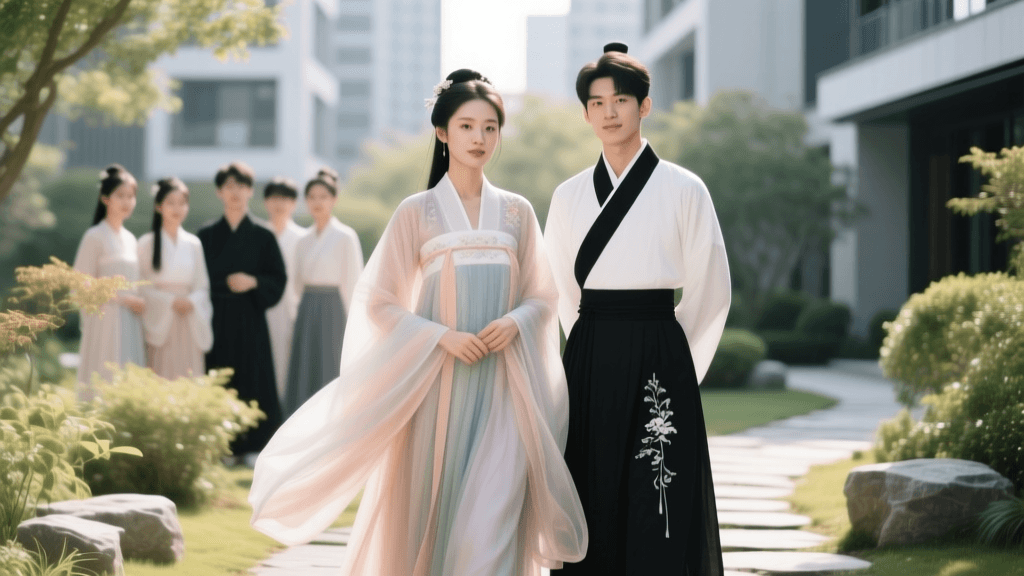
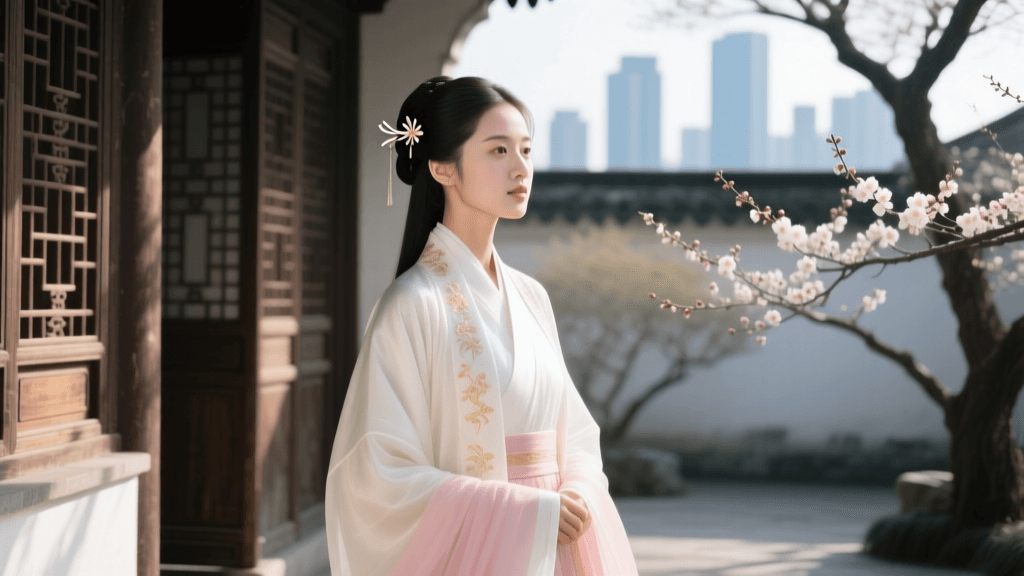
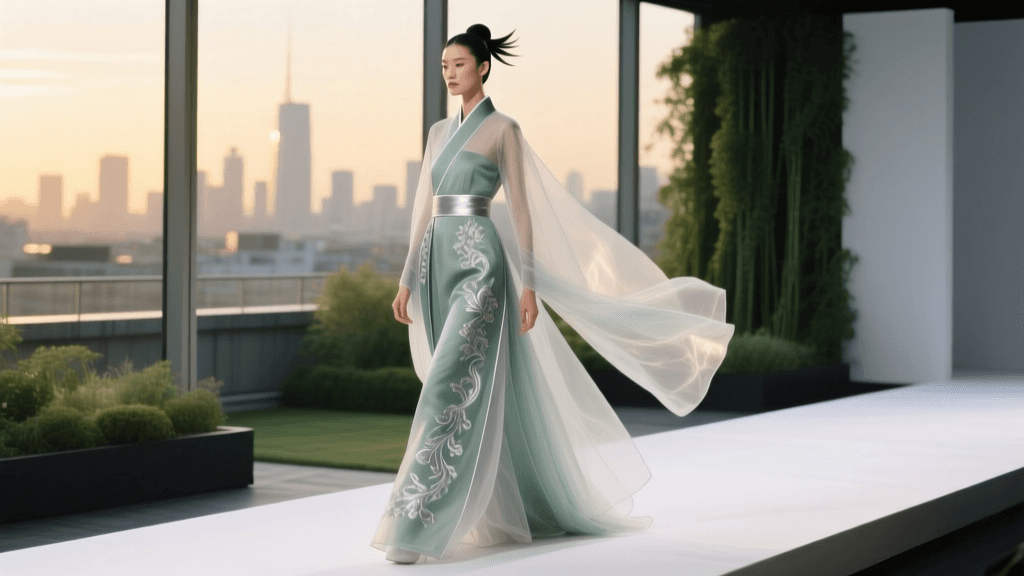
As we navigate the Spring/Summer and Autumn/Winter 2026 collections, the presence of traditional Chinese clothing on international runways has evolved from a niche cultural showcase into a dominant force in global haute couture and ready-to-wear. No longer confined to domestic festivals or historical reenactments, Hanfu has firmly breached the gates of Paris, Milan, New York, and London Fashion Weeks. Top-tier global fashion houses and avant-garde Chinese designers are actively deconstructing and reimagining traditional silhouettes, blending centuries-old tailoring techniques with contemporary sartorial demands.
This integration marks a significant milestone in the broader Hanfu revival movement, transitioning the garments from subcultural streetwear to high-fashion staples. In 2026, the focus is on structural integrity, innovative textile manipulation, and cross-cultural styling. For fashion enthusiasts, collectors, and everyday wearers, understanding how these runway trends translate into wearable, modern elegance is essential for curating a globally-minded, heritage-rich wardrobe.
Key Silhouettes Dominating the 2026 Runway Circuit
The 2026 Fashion Week circuit has highlighted three specific Hanfu silhouettes, each receiving a distinct avant-garde or modernized interpretation by leading designers.
1. The Deconstructed Mamianqun (Horse-Face Skirt)
The Mamianqun remains the undisputed ambassador of Hanfu on the global stage. Characterized by its four flat panels and heavily pleated sides, the 2026 runway iterations feature dramatic asymmetrical hems, mixed-media paneling (such as integrating vegan leather with traditional Song brocade), and metallic warp threads. Designers are experimenting with pleat depths, moving away from the standard 2 cm micro-pleats to bold, 5 cm architectural folds that create a sculptural, bell-shaped silhouette when in motion.
2. The Modernized Aoqun (Jacket and Skirt Ensemble)
Historically a staple of the Ming Dynasty, the Aoqun has been reimagined for the modern power-dresser. On the runways of Milan and Paris, the traditional cross-collar or standing-collar jacket (Ao) is being tailored with structured, padded shoulders and elongated, sweeping sleeves. Paired with streamlined, ankle-grazing skirts rather than voluminous traditional cuts, this ensemble is being positioned as a high-fashion alternative to the Western business suit.
3. The Banbi (Half-Sleeve Vest) as a Layering Masterpiece
Layering is a critical theme in 2026 global fashion, and the Banbi has emerged as the ultimate transitional piece. Runway stylists are layering embroidered Banbi over sheer, high-necked organza blouses or even tailored turtlenecks. The contrast between the rigid, ornate embroidery of the vest and the fluid, minimalist under-layers creates a striking visual tension that photographers and fashion critics have heavily praised this season.
Runway Avant-Garde vs. Wearable Elegance: A 2026 Comparison
While runway pieces are often theatrical, the core design languages can be adapted for everyday luxury. Below is a comparative guide to help you translate 2026 Fashion Week concepts into a functional, high-end wardrobe.
| Garment Type | 2026 Runway Interpretation | Everyday Wearable Adaptation | Recommended Fabric | Avg. Market Price (USD) |
|---|---|---|---|---|
| Mamianqun | Asymmetrical hems, leather panels, 5cm architectural pleats | Symmetrical midi-length, tonal jacquard, 3cm pleats | Poly-blend Jacquard or Wool-crepe | $120 - $280 |
| Ao (Jacket) | Oversized shoulders, sweeping floor-length sleeves | Tailored fit, wrist-length tapered sleeves, standing collar | Raw Silk or Heavy Linen | $150 - $350 |
| Banbi (Vest) | Heavy metallic embroidery, structured corset-back | Subtle tonal threading, relaxed side-ties for layering | Cotton-linen blend or lightweight brocade | $80 - $190 |
| Yuanlingpao (Round Collar Robe) | Train-bearing, sheer organza overlays, avant-garde draping | Belted trench-coat hybrid, calf-length, functional pockets | Gambiered Silk (Xiangyunsha) or Tencel | $200 - $450 |
Actionable Guide: Sourcing and Tailoring Runway-Inspired Hanfu
To achieve the polished, high-fashion look seen on the 2026 runways, off-the-rack fast-fashion Hanfu will not suffice. The key to international runway styling lies in precise tailoring and premium textile selection. Here is how to source and commission pieces that mirror haute couture standards.
- Precision Measurements: For a Mamianqun to sit correctly on the waist without bulging (a common issue that ruins the runway silhouette), you must measure your natural waist and add exactly 2 cm for overlap comfort. The skirt length should be measured from the navel to 2 cm above the floor when wearing your intended heel height.
- Pleat Heat-Setting: Runway skirts maintain their sharp pleats even in high winds. When commissioning a custom skirt, request high-temperature resin heat-setting for synthetic blends, or traditional heavy-press starching for natural silk. Expect to pay a 15% to 20% premium for this specialized finishing service from Hangzhou-based artisans.
- Hardware Upgrades: Replace standard factory ties with hand-woven silk sashes or custom-cast brass clasps. Many 2026 collections feature subtle, antique-finish metal closures hidden within the cross-collars of the Ao jacket, providing a seamless, minimalist exterior.
Navigating Global Climates with Traditional Textiles
A major theme in 2026 fashion journalism is the adaptation of heritage garments to extreme and varied global climates. Wearing traditional silk in a humid Milanese summer or a freezing Parisian winter requires strategic textile knowledge. Understanding traditional Chinese textile techniques and their modern applications is vital for the global traveler.
Summer in Milan and New York: Xiangyunsha and Linen
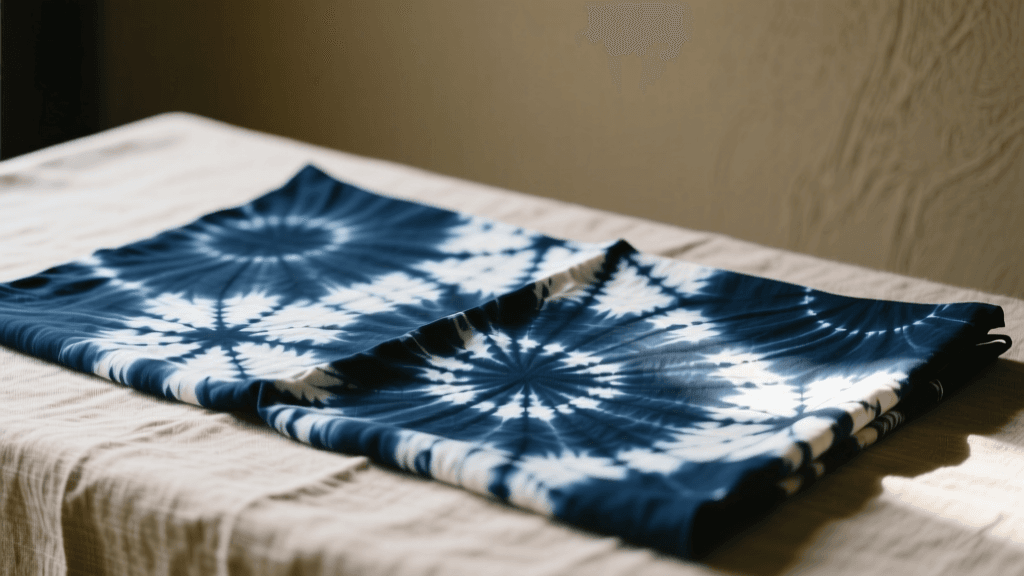
For high-humidity environments, Xiangyunsha (gambiered Guangdong silk) is the ultimate luxury textile. Dyed with yam juice and sealed with river mud, this fabric is naturally cooling, antimicrobial, and water-resistant. A Xiangyunsha Ruqun set offers the structural elegance required for fashion week street-style photography while keeping the wearer comfortable in 30°C (86°F) heat. Alternatively, request Hanfu patterns cut from heavy-weight European linen, which provides the necessary drape for wide sleeves without clinging to the skin.
Winter in Paris and London: Wool-Blends and Song Brocade
To survive the damp chill of a European winter while maintaining a couture silhouette, the Aoqun must be adapted. The outer jacket should be commissioned using a wool-crepe blend lined with quilted cotton or lightweight cashmere. For the skirt, heavy Song brocade (Zhuanghua) provides wind resistance and a luxurious, light-catching texture that photographs beautifully under the flash of paparazzi cameras. Pair this with knee-high leather riding boots—a styling trick heavily favored by international fashion editors this year to bridge the gap between Ming Dynasty heritage and modern streetwear.
'The true triumph of Hanfu on the 2026 global stage is not merely its visual beauty, but its architectural versatility. We are seeing ancient flat-cutting techniques solve modern problems of drape, movement, and sustainability.'
— Senior Textile Curator, Global Heritage Fashion Symposium, 2026
Cultural Collaboration vs. Appropriation in 2026
As Hanfu cements its place on global runways, the fashion industry has become increasingly vigilant about the line between cultural appreciation and appropriation. In 2026, the most celebrated international shows are those that engage in direct, credited collaborations with Chinese heritage artisans. Rather than simply copying motifs, global brands are partnering with weaving cooperatives in Suzhou and Nanjing to co-develop new jacquard patterns that honor the historical context of the garments.
For the consumer, this means prioritizing purchases from brands that transparently credit their artisan networks and provide historical context for their designs. Supporting these ethical collaborations ensures that the economic benefits of the global Hanfu boom return to the communities that have preserved these complex weaving and tailoring techniques for generations.
Final Thoughts on the 2026 Hanfu Runway Era
The integration of Hanfu into the upper echelons of global fashion weeks is a testament to the timelessness of its design. By understanding the structural nuances of the Mamianqun, the layering potential of the Banbi, and the climate-specific applications of heritage textiles, you can curate a wardrobe that is both deeply rooted in Asian tradition and fiercely contemporary. As 2026 progresses, expect to see even more radical, beautiful fusions of East and West, proving that true heritage is not static—it is a living, breathing canvas for global expression.