2026 Hanfu Milestone Guide: Ji Li Ceremonies & Weddings
The Renaissance of Hanfu Milestones in 2026
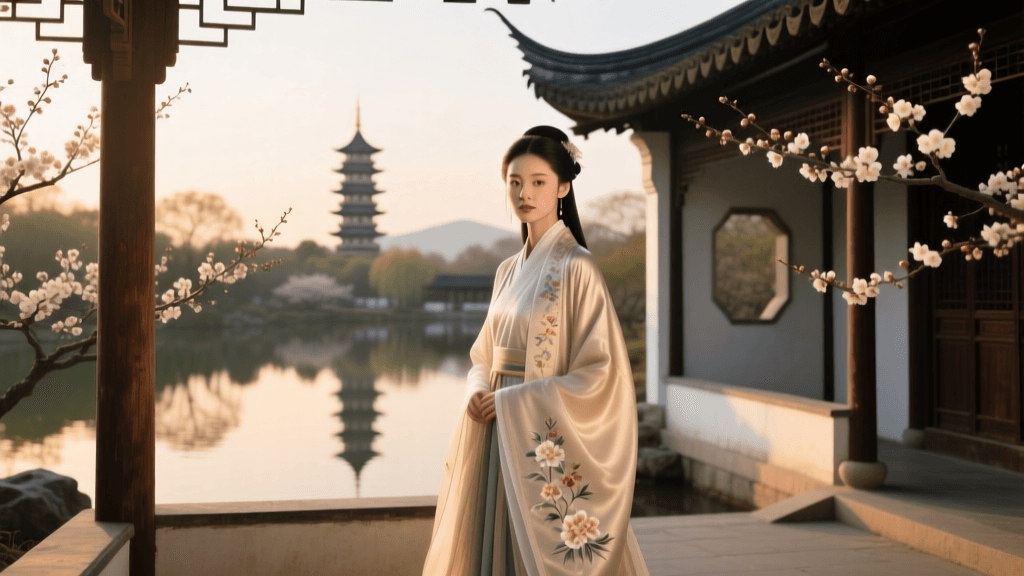
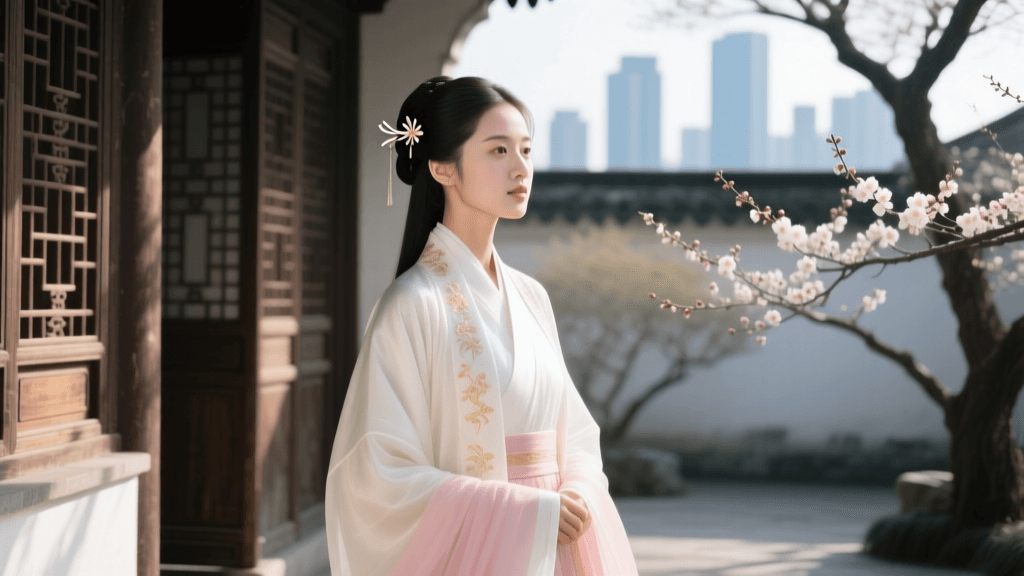
In 2026, the global appreciation for traditional Asian garments has transcended everyday streetwear, firmly rooting itself in the sacred rites of passage that define a human life. The Xin Zhongshi (new Chinese style) movement has evolved from a fashion trend into a profound cultural reclamation. Today, young adults and couples are increasingly turning to authentic Hanfu to mark their most significant life milestones. According to the Victoria and Albert Museum's Asian textile archives, the structural integrity and symbolic motifs of historical Chinese dress offer a rich tapestry of meaning that modern mass-market bridal and formal wear simply cannot replicate.
Whether it is the Ji Li (coming-of-age ceremony for women), the Guan Li (coming-of-age for men), or the Hun Li (traditional wedding), selecting the correct garments requires an understanding of historical silhouettes, modern textile innovations, and precise tailoring. This comprehensive guide details everything you need to know about curating a Hanfu wardrobe for life's most pivotal ceremonies in 2026.
The Ji Li (笄禮): Hair-Pinning Coming-of-Age Ceremony
Historically performed when a young woman reached the age of 15, the modern Ji Li is typically celebrated at 18 or 20 in 2026, marking the transition into adulthood and societal responsibility. The ceremony centers around the 'Three Additions' (San Jia), where the celebrant changes into three progressively more formal outfits, each accompanied by a new hairstyle and hairpin.
The Three Additions (San Jia)
- First Addition (Chu Jia): The celebrant dons a simple, pastel-colored Song Dynasty Beizi (open-front jacket) and Ruqun (blouse and skirt). This represents the innocence of childhood and the initial step into maturity. The hair is gathered into a simple bun, secured with a modest wooden or bone hairpin.
- Second Addition (Er Jia): The outfit transitions to a more structured Ming Dynasty Aoqun (lined jacket and pleated skirt) in deeper, richer hues like jade green or sapphire. This symbolizes the cultivation of virtue and grace. A silver or lab-grown jade hairpin is added.
- Third Addition (San Jia): The final change features a formal, sweeping ceremonial gown, often a deep-collared Da Shan or a heavily embroidered formal robe. The hair is styled in an elaborate updo, crowned with a Fengguan (phoenix crown) or an intricate gold-and-pearl Ji (hairpin), signifying full adulthood and readiness to take on societal roles.
2026 Styling and Hairpin Trends
In 2026, sustainability is at the forefront of ceremonial styling. Artisans are utilizing recycled gold and ethically sourced, lab-grown freshwater pearls to craft intricate Buyao (step-shake hairpins) that move gracefully with the wearer. Furthermore, AI-assisted 3D modeling is now commonly used by bespoke jewelers to ensure the weight distribution of heavy ceremonial crowns is perfectly balanced, preventing neck strain during the multi-hour ritual.
The Hun Li (婚禮): Traditional Hanfu Weddings
The traditional Hanfu wedding, or Hun Li, is a masterclass in symbolic color theory and textile artistry. While Western-style white gowns dominated the early 2000s, 2026 has seen a massive resurgence in couples opting for historically accurate Chinese ceremonial wear. The two most sought-after dynastic styles for modern weddings are the Tang and Ming silhouettes.
Ming Dynasty Fengguan Xiapei
The Ming Dynasty aesthetic remains the gold standard for autumn and winter weddings. The bride wears the Fengguan Xiapei (Phoenix Crown and Rosary). The crown is an astonishing piece of metalwork and kingfisher-feather art (now replicated with sustainable dyed silk threads and enamel in 2026 to protect wildlife). The Xiapei is a heavy, embroidered stole that drapes over the shoulders and down the front of a vibrant red or deep blue Yuanlingpao (round-collar robe). As documented in the Metropolitan Museum of Art's Asian silk collections, the use of gold-couching (Panjin) embroidery on these robes creates a luminous, regal effect that is unmatched in global bridal fashion.
Tang Dynasty Zitan Aesthetics
For spring and summer weddings, couples are gravitating toward the Tang Dynasty's Zitan style, characterized by high-waisted, flowing chests and wide, dramatic sleeves. The color palette shifts from stark reds to rich purples, deep greens, and sunset oranges. In 2026, textile engineers have developed ultra-lightweight, breathable silk organzas that maintain the dramatic drape and volume required for Tang silhouettes without causing the wearer to overheat during outdoor garden ceremonies.
2026 Sourcing, Tailoring, and Budget Breakdown
Sourcing ceremonial Hanfu requires careful planning. Off-the-rack options are available for simpler Ji Li garments, but a true Hun Li wedding robe demands bespoke tailoring. Below is the 2026 market breakdown for milestone garments, including average costs and lead times.
| Ceremony Type | Garment Style | 2026 Average Cost (USD) | Tailoring Lead Time | Best Season |
|---|---|---|---|---|
| Ji Li (Coming of Age) | Song/Ming Ruqun & Aoqun | $450 - $1,200 | 4 - 6 Weeks | Spring / Early Summer |
| Hun Li (Wedding - Bride) | Ming Fengguan Xiapei | $3,500 - $8,500 | 4 - 6 Months | Autumn / Winter |
| Hun Li (Wedding - Groom) | Ming Daopao & Wushamao | $1,200 - $2,500 | 2 - 3 Months | Autumn / Winter |
| Guan Li (Male Coming of Age) | Ming Daopao & Futou | $600 - $1,100 | 4 - 8 Weeks | Autumn |
Essential Measurements for Custom Hanfu
Western tailoring focuses heavily on the bust, waist, and hips. Hanfu tailoring, however, is fundamentally different, focusing on the drape, the cross-collar alignment, and the sleeve span. When ordering bespoke ceremonial wear in 2026, you must provide the following specific measurements to your artisan:
- Tong Xiu (Total Sleeve Span): Measured from the tip of one middle finger, across the back of the neck, to the tip of the other middle finger. This dictates the dramatic width of the sleeves.
- Yi Chang (Garment Length): Measured from the base of the back neck down to the desired hemline (usually the ankle bone for ceremonial robes).
- Yao Wei (Waist Circumference): Crucial for the placement of the sash and the pleating of the Mamianqun (horse-face skirt).
- Ling Wei (Neck Circumference): Essential for ensuring the stiff, standing collars of Ming Dynasty jackets do not chafe or restrict breathing.
Footwear and Accessories for Milestones
A common pitfall for modern Hanfu enthusiasts is neglecting footwear. In 2026, traditional Qiaotou (cloud-head shoes) and embroidered boots are widely available with modern ergonomic insoles and hidden arch support, bridging the gap between historical accuracy and all-day comfort. For brides wearing the heavy Ming Fengguan, custom-molded silk slippers with a slight, hidden wedge are recommended to help balance the weight of the crown and train.
Preserving Your Milestone Garments
Ceremonial Hanfu is an investment and a future family heirloom. Proper storage is critical to preserving the silk brocades and metallic embroidery. The UNESCO Intangible Cultural Heritage registry frequently highlights the importance of preserving traditional textile crafts, which extends to how we care for them post-ceremony.
After your milestone event, the garments must be professionally dry-cleaned using eco-friendly, silk-safe solvents. Never hang heavy ceremonial robes, as the weight will distort the warp and weft of the silk over time. Instead, fold them using acid-free archival tissue paper to prevent hard creases, and store them in breathable, unbleached cotton garment bags or traditional camphor wood boxes. In 2026, smart storage boxes equipped with passive humidity-regulating silica gels are highly recommended to protect gold-couched threads from tarnishing in fluctuating climates.
Conclusion
Embracing Hanfu for life milestones is more than a sartorial choice; it is a profound connection to ancestral rhythms and cultural continuity. Whether you are stepping into adulthood through the elegant rites of the Ji Li or binding your life to another through the majestic Hun Li, the garments you choose will carry the weight and beauty of history into your future. By understanding the historical context, investing in proper bespoke tailoring, and utilizing modern preservation techniques, your 2026 milestone wardrobe will remain a breathtaking testament to Asian traditions for generations to come.