Top Japanese Fashion Blogs for Kimono Trends in 2026
The Digital Renaissance of Japanese Traditional Fashion Journalism
In 2026, the landscape of Japanese fashion journalism has fully embraced the digital sphere, creating a vibrant ecosystem where centuries-old textile traditions meet cutting-edge street style. For enthusiasts, collectors, and designers of Asian traditional garments, relying solely on print magazines is no longer sufficient. The most nuanced, up-to-date, and actionable insights into kimono, yukata, haori, and traditional dyeing techniques are now published by specialized online magazines, digital editorial platforms, and independent fashion blogs. These digital publications serve as the bridge between the historic ateliers of Kyoto and the modern, climate-adaptive wardrobes of Tokyo and Osaka.
As global interest in sustainable fashion and heritage textiles reaches an all-time high this year, Japanese digital fashion media has stepped up to document the evolution of traditional wear. From the meticulous documentation of Nishijin-ori weaving techniques to the viral street-style photography of upcycled kimono silks in Harajuku, these platforms are essential reading. This guide explores the most authoritative Japanese fashion blogs and online magazines covering traditional garments in 2026, providing you with the tools to track trends, source authentic pieces, and understand the cultural context of Asian fashion.
Essential Online Magazines and Blogs to Follow
Fashionsnap: The Pulse of Street Style and Runway Integration
As the premier digital fashion news outlet in Japan, Fashionsnap provides unparalleled coverage of both high-fashion runways and grassroots street style. While they cover global luxury brands extensively, their dedicated street style photographers are famous for capturing the organic integration of traditional garments into everyday modern wardrobes. In 2026, their Tokyo and Kyoto street snaps frequently feature young creatives layering vintage, upcycled haori over contemporary minimalist streetwear. For international readers, Fashionsnap is an invaluable visual database for understanding how traditional silhouettes are being recontextualized by the youth. Their coverage of Tokyo Fashion Week consistently highlights emerging domestic designers who utilize traditional shibori dyeing and sashiko stitching in modern apparel.
Nippon.com: Deep Dives into Artisanal Heritage
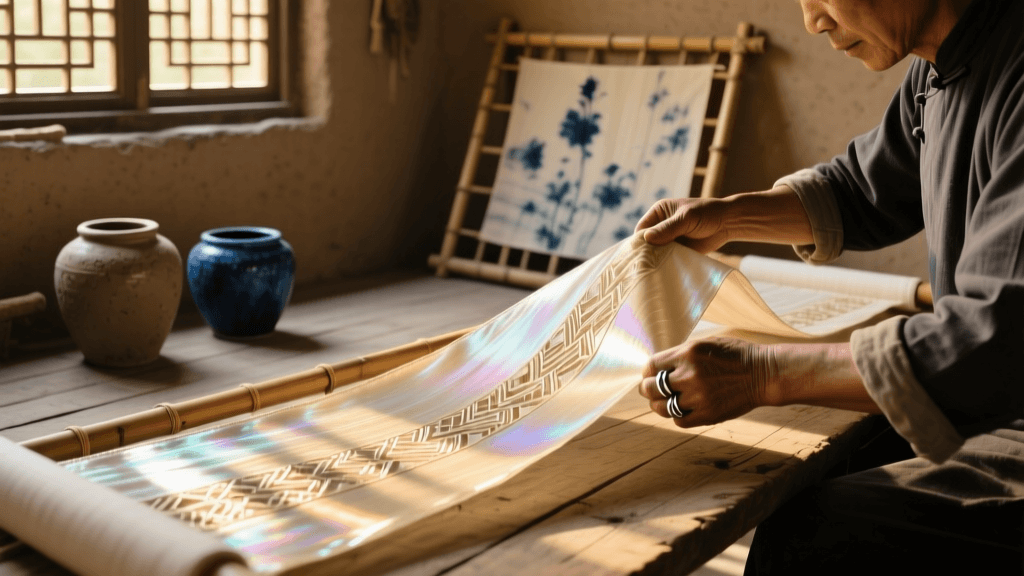
For readers seeking profound cultural context and long-form journalism, the culture and fashion sections of Nippon.com are indispensable. Unlike fast-fashion blogs, Nippon.com focuses on the artisans, weavers, and dyers who keep traditional Japanese garment production alive. Their 2026 feature series on the aging demographic of Yuzen dyers and the subsequent rise of AI-assisted pattern drafting in traditional kimono houses offers a fascinating look at the intersection of heritage and technology. If you are a collector looking to understand the provenance, regional variations, and historical significance of specific textiles like Oshima tsumugi or Kaga yuzen, their meticulously researched editorial pieces provide the authoritative background necessary for informed purchasing and appreciation.
Vogue Japan Digital: High-Fashion Editorial and Luxury Crossovers
Vogue Japan continues to set the standard for high-fashion editorial content, and their digital platform frequently bridges the gap between Parisian runways and Kyoto ateliers. In 2026, their digital exclusives have heavily featured the luxury kimono rental market and the collaborations between European heritage houses and Japanese traditional textile artisans. Vogue Japan is the go-to source for observing how traditional obi silks are being repurposed into luxury accessories and how the formal rules of kitsuke (kimono dressing) are being playfully subverted in high-end editorial spreads. Their trend reports are essential for understanding how traditional Japanese aesthetics are influencing global luxury markets.
Summer 2026 Coverage: The Yukata vs. Jinbei Debate
One of the most heavily covered topics across Japanese fashion blogs this summer is the evolving debate between yukata and jinbei for casual warm-weather wear. As Japanese summers become increasingly hot and humid, digital magazines are dedicating extensive guides to the practical and stylistic differences between the two. Fashion blogs are currently highlighting the rise of 'cool-touch' synthetic blends and advanced linen-weave yukata that offer the elegance of traditional draping with the breathability required for 2026 heatwaves.
Conversely, jinbei—traditionally considered loungewear or sleepwear—has been elevated by indie streetwear blogs into a staple of summer festival fashion for all genders. Online magazines are publishing comprehensive coordinate guides, demonstrating how to style jinbei with modern accessories like woven rattan crossbody bags and minimalist leather sandals, effectively blurring the lines between indoor comfort and outdoor street style. The consensus across digital media this year is that while yukata remains the undisputed choice for formal summer fireworks festivals, jinbei has claimed the territory of casual daytime outings, café-hopping, and neighborhood strolls.
Major Traditional Garment Trends Highlighted in 2026
By closely following these digital publications, several macro-trends in traditional Japanese fashion have emerged this year:
- The 'Remake' Movement: Upcycling damaged or stained vintage kimono into modern garments, such as wrap skirts, bomber jackets, and structured corsets, is a dominant theme on independent blogs. This sustainable approach honors the textile while making it viable for daily wear.
- Genderless Kitsuke: Traditional kimono dressing rules have historically been rigidly gendered. In 2026, progressive fashion magazines are celebrating 'genderless kimono' styling, featuring male-identifying models in vibrant, floral Yuzen kimono and female-identifying models in structured, dark, crested montsuki hakama.
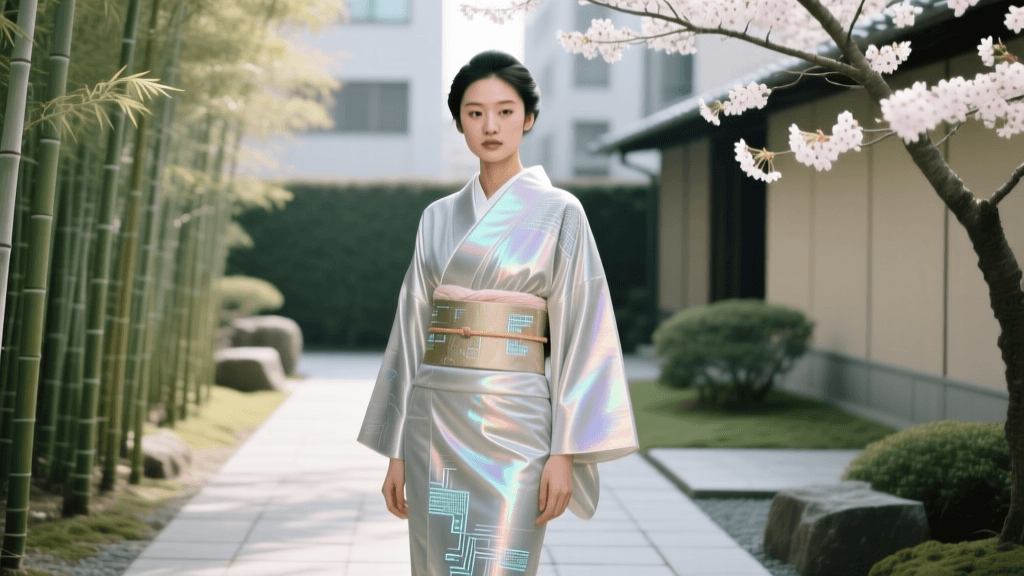
- Tech-Integrated Obi Accessories: Digital tech blogs intersecting with fashion are reviewing 3D-printed obi-jime (decorative cords) and smart-fabric obi-ita (belt boards) that help regulate body temperature during intense summer festivals.
Platform Comparison Chart: Best Japanese Fashion Media
| Platform | Primary Focus | Language Availability | Best For |
|---|---|---|---|
| Fashionsnap | Street style, runway news, industry updates | Japanese (Auto-translate friendly) | Visual trend spotting and modern styling inspiration |
| Nippon.com | Artisanal crafts, cultural heritage, deep-dive journalism | English, Japanese, Multi | Collectors, historians, and textile enthusiasts |
| Vogue Japan | High fashion, luxury crossovers, editorial photography | Japanese (English editions available) | Luxury market trends and high-end editorial aesthetics |
| Independent Zines | Vintage sourcing, DIY remake tutorials, local festivals | Japanese | Hands-on crafters and vintage kimono shoppers |
Actionable Guide: Sourcing and Styling via Japanese Blogs
To maximize the value of these Japanese fashion blogs, international readers and buyers should adopt a strategic approach to navigating the content. First, utilize browser extensions that offer high-fidelity translation, but always keep the original Japanese text visible for specific garment terminology. When searching within these platforms or their linked social media feeds, use precise Japanese keywords to uncover niche content. For example, search for '着物リメイク' (Kimono Remake) to find DIY upcycling tutorials, or '浴衣コーデ' (Yukata Coordinate) to see user-generated styling guides for summer festivals.
Furthermore, pay close attention to the seasonal markers referenced in Japanese fashion journalism. The concept of 'koromogae' (the seasonal changing of the wardrobe) is strictly observed in traditional fashion media. Blogs will begin publishing lightweight silk and ro (gauze) kimono editorials in late May, and transition to heavy wool and lined kimono content by October. Aligning your reading and sourcing habits with this editorial calendar ensures you are purchasing and styling garments in accordance with traditional Japanese seasonal aesthetics, a detail that is highly respected in the global kimono community.
Conclusion
The digital transformation of Japanese fashion journalism has democratized access to the intricate world of traditional garments. By following platforms like Fashionsnap, Nippon.com, and Vogue Japan, enthusiasts can move beyond superficial aesthetics and engage deeply with the cultural, sustainable, and innovative forces shaping Asian traditions in 2026. Whether you are sourcing a vintage haori, studying the mechanics of natural indigo dyeing, or simply looking for the perfect yukata coordinate for your next summer trip, these online magazines provide the authoritative, up-to-date guidance necessary to navigate the beautiful complexities of Japanese fashion.