Best Japanese Fashion Blogs for Traditional Kimono Style 2026

The Digital Renaissance of Wafuku Journalism
In 2026, the intersection of heritage textiles and modern digital journalism has reached an all-time high. Japanese fashion journalism, particularly the niche dedicated to wafuku (traditional Japanese clothing), has evolved from print-heavy, insular publications into dynamic, multimedia-rich online magazines and blogs. For global researchers, textile enthusiasts, and stylists, these platforms are invaluable resources for understanding how historical garments are being adapted for contemporary life. According to cultural archives documented by the Metropolitan Museum of Art, the kimono has always been a reflection of its era's social and artistic shifts. Today's digital editors are continuing this legacy, showcasing how traditional silhouettes meet modern sustainability and climate adaptability.
Navigating this digital landscape requires knowing which publications offer genuine editorial depth versus those that simply serve as e-commerce catalogs. This guide explores the most authoritative Japanese fashion blogs and online magazines covering traditional garments in 2026, providing actionable advice on how to read, translate, and draw inspiration from their editorial calendars.
Top Japanese Online Magazines for Traditional Garments
The heavyweights of Japanese kimono journalism have successfully transitioned to digital-first models, offering interactive lookbooks, video tutorials on obi tying, and deep-dive interviews with master weavers in regions like Nishijin and Yuki.
Utsukushii Kimono (美しいキモノ) Digital Edition
Utsukushii Kimono remains the gold standard for high-end, formal traditional wear. In 2026, their digital platform has introduced interactive 'layering sliders' that allow readers to visualize kasane-no-irome (traditional layered color combinations) for different micro-seasons. Their editorial focus leans heavily into luxury silk, intricate yuzen dyeing, and formal houmongi (visiting wear). For fashion journalists and designers, their seasonal trend reports are essential reading, often forecasting color palettes a full year ahead of the global market.
Kimono Salon (きものサロン)
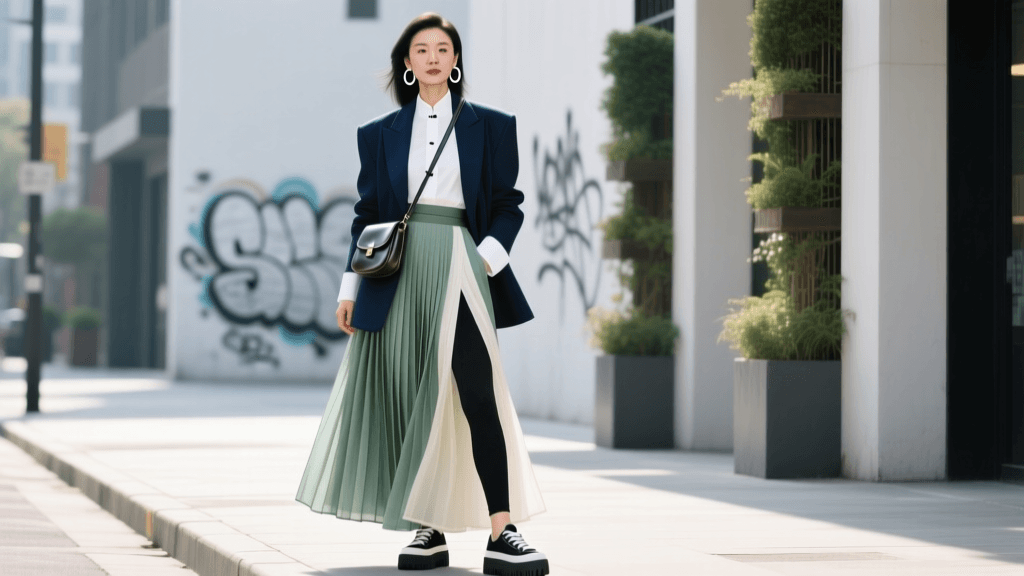
Positioned slightly more toward the accessible and everyday wearer, Kimono Salon excels in bridging the gap between heritage and modern lifestyle. Their 2026 editorial calendar has heavily featured 'Neo-Edo' street style, highlighting how young creatives in Tokyo are pairing vintage meisen silk kimono with contemporary footwear and structured outerwear. Their blog section includes highly practical guides on garment care, DIY obijime (cord) braiding, and navigating the complexities of secondhand kimono markets in Kyoto and Tokyo.
Kimono Nanaoh and Artisan Focus
For those fascinated by the raw materials and regional craftsmanship of Asian traditions, Kimono Nanaoh is an indispensable resource. Their long-form digital articles read like anthropological studies, detailing the meticulous processes behind shibori (tie-dye) and kasuri (ikat) weaving. As noted by the Victoria and Albert Museum's Asian collections, the preservation of these regional techniques is critical to global textile history, and Nanaoh's journalists are on the front lines documenting the aging master artisans and the young apprentices taking up their looms in 2026.
Summer 2026 Editorials: Yukata vs. Jinbei Styling
One of the most highly anticipated editorial drops each year is the summer casual wear guide. In 2026, Japanese fashion blogs are dedicating extensive coverage to the nuances of yukata versus jinbei, moving beyond basic definitions into advanced styling and situational etiquette.
- The Yukata Renaissance: Online magazines are highlighting a return to traditional cotton and hemp blends for yukata, moving away from the synthetic polyesters of the early 2020s. Editorials focus on the rokuro (pulley) dyeing technique, which creates stunning, subtle gradients perfect for evening temple festivals.
- Jinbei as Urban Streetwear: Independent fashion blogs are championing the jinbei (a two-piece top and shorts set) as a viable alternative for extreme summer heat. 2026 trends show tailored, structured jinbei made from shijira-ori (seersucker-like cotton) being paired with modern accessories like leather sandals and minimalist canvas tote bags, blurring the line between loungewear and high-street fashion.
- Situational Styling Guides: Digital magazines now feature interactive flowcharts helping readers decide between yukata and jinbei based on the formality of the summer event, the time of day, and the expected weather conditions.
Comparison Chart: 2026 Digital Subscriptions and Access
To help you allocate your research budget, here is a breakdown of the top platforms, their 2026 digital subscription costs, and their primary editorial focus.
| Publication | Primary Focus | 2026 Digital Subscription | Language Accessibility |
|---|---|---|---|
| Utsukushii Kimono | High-end formal wear, seasonal motifs, luxury silk | ¥1,400 / month | Native Japanese (Image-heavy, easy to parse visually) |
| Kimono Salon | Everyday wafuku, modern styling, vintage market guides | ¥1,100 / month | Native Japanese (Auto-translate friendly layouts) |
| Kimono Nanaoh | Artisan textiles, regional weaving, deep cultural context | ¥1,300 / month | Native Japanese (Dense text, requires good translation tools) |
| KIMONO BLOOM (Web) | Youth street-style, upcycled vintage, yukata/jinbei | Free (Ad-supported) | Native Japanese (High visual glossary, minimal text) |
How to Navigate and Translate Japanese Fashion Blogs in 2026
For non-Japanese speaking researchers, the language barrier remains the primary hurdle. However, advancements in browser-based translation tools in 2026 have made these blogs more accessible than ever. Here is a practical workflow for extracting data from Japanese wafuku blogs:
1. Utilizing Yomitan for Vertical Text
Many traditional fashion blogs still utilize vertical text (tategaki) for aesthetic and cultural resonance. Standard page translators often scramble vertical layouts. The Yomitan browser extension is essential; it allows you to hover over specific kanji to get instant definitions and readings without breaking the page's CSS layout. This is particularly useful for learning highly specific textile terminology like tsuzure-ori (tapestry weave) or kicho (curtain motif).
2. Contextual Translation via DeepL
When copying full editorial spreads into translation engines, avoid literal translators. DeepL remains the superior choice in 2026 for capturing the nuanced, poetic language used in Japanese fashion journalism. For example, a phrase describing the 'melancholy of autumn leaves' in a kimono pattern is translated with the appropriate fashion-context adjectives, rather than literal botanical terms.
3. Following the Hashtag Ecosystem
Japanese fashion bloggers heavily utilize specific hashtags on platforms like Instagram and X (formerly Twitter) to categorize their digital magazine content. Following tags such as #和装 (wasou - Japanese clothing), #着物コーデ (kimono coordinate), and #アンティーク着物 (antique kimono) will feed you real-time street style and editorial outtakes that complement the long-form blog posts.
Sourcing Authentic Pieces Based on Editorial Features
A major component of Japanese fashion journalism is the 'sourcing guide.' In 2026, top blogs provide real-time updates on the best antique markets for finding the pieces featured in their editorials. For instance, when Kimono Salon features a spread on Taisho-era haori (jackets), they typically include a mapped guide to the Oedo Antique Market in Tokyo or the Tenjin-san market in Kyoto, complete with tips on which vendors specialize in museum-quality silk versus affordable everyday wear.
Furthermore, the Japan National Tourism Organization frequently collaborates with these digital magazines to promote regional textile tourism. Blogs will often feature itineraries for 'textile pilgrimages,' guiding readers to open studios in places like Kiryu or Kurume, where they can purchase directly from the weavers featured in the magazine's pages.
Conclusion
The landscape of Japanese fashion journalism surrounding traditional garments is richer and more accessible in 2026 than at any point in history. By subscribing to the right digital editions, utilizing modern translation workflows, and paying close attention to seasonal editorial shifts like the yukata and jinbei summer debates, global enthusiasts can gain a profound, nuanced understanding of wafuku. These blogs and online magazines are not merely preserving the past; they are actively writing the future of Asian traditional fashion.