The Ultimate 2026 Guide to Japanese Kimono Types & Styling
The Renaissance of Japanese Traditional Garments in 2026
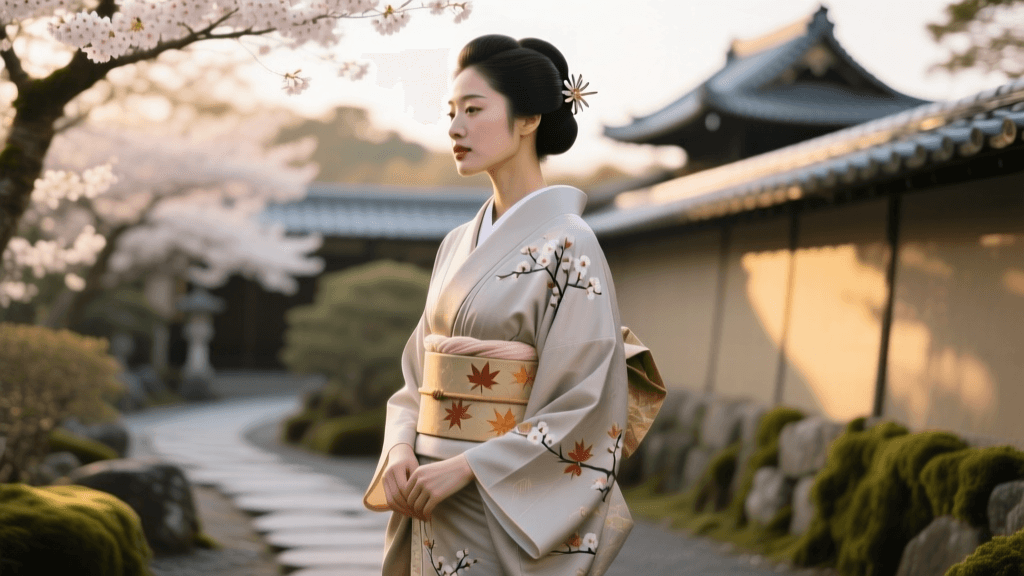
The Japanese kimono is far more than a simple garment; it is a wearable canvas that reflects centuries of artistry, seasonal awareness, and intricate social etiquette. As we navigate through 2026, the traditional garment landscape in Japan has experienced a remarkable renaissance. Driven by a new generation of artisans embracing sustainable silk production, upcycled vintage textiles, and modern washable fabrics, the kimono has transitioned from a strictly ceremonial relic to a dynamic element of modern global fashion. Whether you are planning a cultural immersion trip to Kyoto, attending a formal tea ceremony, or simply looking to invest in authentic Japanese textiles, understanding the nuanced hierarchy of Japanese garment types is absolutely essential.
In recent years, the intersection of heritage craftsmanship and modern technology has reshaped how locals and tourists interact with traditional dress. According to the Victoria and Albert Museum's comprehensive guide to the Kimono, the evolution of the garment has always been deeply tied to shifting social structures and technological advancements in textile production. Today, that evolution continues with eco-friendly synthetic silks and AI-assisted virtual fitting rooms in major rental boutiques across Tokyo and Kyoto.
The Core Types of Japanese Traditional Garments
To navigate the world of Japanese dress, one must understand the strict categorization of garments based on formality, marital status, and seasonality. Below is a detailed breakdown of the primary garment types you will encounter.
Yukata (Casual Summer Cotton)
The yukata is the most accessible and widely recognized form of Japanese traditional dress, particularly during the summer festival season. Originally designed as a lightweight bathrobe for the nobility during the Heian period, it has evolved into the standard casual wear for fireworks displays (hanabi), bon odori dances, and relaxing at ryokan inns. In 2026, yukata are predominantly made from breathable cotton or hemp blends. They are worn directly over basic undergarments without the need for a nagajuban (silk under-kimono), making them incredibly user-friendly for beginners.
Komon (Everyday Patterned Silk)
Komon translates to 'small pattern' and refers to kimono featuring a repeating design that covers the entire garment. These are considered casual to semi-formal everyday wear, perfect for strolling through the historic streets of Higashiyama or attending a casual lunch gathering. The patterns are often dyed using the traditional Yuzen technique, though modern digital printing has allowed for highly intricate, washable variations to dominate the 2026 market. Komon can be paired with a variety of obi sashes to easily elevate or dress down the formality of the outfit.
Houmongi (Semi-Formal Visiting Wear)
Houmongi, meaning 'visiting wear', is a step up in formality and is characterized by a continuous pattern that flows seamlessly across the seams of the shoulders, sleeves, and hem. This elegant garment is worn by both married and unmarried women for semi-formal occasions such as tea ceremonies, weddings (as a guest), and graduation ceremonies. The Metropolitan Museum of Art's historical overview of Japanese dress notes that the seamless flow of the Houmongi pattern represents a pinnacle of Japanese textile engineering, requiring the fabric to be temporarily basted together before the master dyer paints the design.
Furisode (Formal Unmarried Women's Wear)
Instantly recognizable by its dramatically long, swinging sleeves (which can measure anywhere from 85 to 114 centimeters in length), the furisode is the most formal kimono worn by young, unmarried women. It is the quintessential garment for Coming of Age Day (Seijin no Hi) and is frequently worn by brides during wedding receptions. The vibrant, expansive canvases of the furisode sleeves are meant to capture attention and signify youth and eligibility. Due to the immense amount of hand-painted silk and gold leaf required, authentic furisode remain a significant financial investment.
Hakama (Traditional Trousers and Skirts)
While often associated with samurai and martial artists, the hakama is a pleated, divided skirt or trouser worn over a standard kimono. In modern contexts, it is widely worn by university students (particularly women) during graduation ceremonies and by Shinto priests. The traditional women's graduation hakama is typically paired with a subdued komon or houmongi kimono and features five pleats in the front and two in the back, symbolizing various Confucian virtues.
2026 Kimono Rental and Purchasing Pricing Guide
Understanding the financial commitment required for traditional Japanese garments is crucial for collectors and travelers alike. The table below outlines the average market rates for renting and purchasing authentic garments in major cultural hubs like Kyoto, Tokyo, and Kanazawa as of 2026.
| Garment Type | Formality Level | Primary Fabric | 2026 Avg. Rental (JPY) | 2026 Avg. Purchase (JPY) |
|---|---|---|---|---|
| Yukata | Casual | Cotton / Hemp | 3,500 - 5,500 | 8,000 - 25,000 |
| Komon | Casual / Semi-Formal | Silk / Washable Poly | 5,000 - 8,000 | 30,000 - 150,000 |
| Houmongi | Semi-Formal / Formal | Crepe Silk (Chirimen) | 8,000 - 15,000 | 150,000 - 400,000 |
| Furisode | Highly Formal | Rinzu (Figured Silk) | 15,000 - 30,000 | 250,000 - 800,000+ |
| Hakama Set | Graduation / Formal | Silk / Wool Blend | 6,000 - 10,000 | 40,000 - 120,000 |
Essential Layering and Accessories
Wearing a kimono is an exercise in structured layering. The outer silk shell is only the most visible component of a complex system designed to protect the garment, shape the silhouette, and provide warmth.
- Hadajuban and Susoyoke: The foundational undergarments, consisting of a thin cotton slip (hadajuban) and a wrap skirt (susoyoke), which absorb sweat and protect the expensive outer silk layers.
- Nagajuban: A silk or synthetic under-kimono that provides the garment's structure. Only the collar (han-eri) is visible at the neckline, offering a subtle pop of contrasting color or seasonal embroidery.
- Obi: The sash that secures the kimono. For formal wear, a stiff, heavily brocaded Fukuro obi (measuring roughly 31 centimeters wide and 4.5 meters long) is used. For casual wear, a softer, pre-folded Nagoya obi is preferred.
- Obiage and Obijime: The obiage is a silk scarf tucked above the obi to conceal the padding, while the obijime is a decorative braided cord tied over the center of the obi to secure the knot.
- Tabi and Zori: Tabi are the traditional split-toe socks, almost always white for formal occasions. Zori are the formal sandals made of vinyl, leather, or brocade, worn alongside the tabi.
The Art of Kitsuke: Dressing in 2026
Kitsuke, the art of dressing in a kimono, requires precision and practice. While many tourists rely on professional dressers at rental shops, learning the basics is a rewarding endeavor. The fundamental rule of kitsuke is that the left side of the kimono must always wrap over the right side; wrapping right over left is strictly reserved for dressing the deceased for burial.
In 2026, the kitsuke community has seen a surge in modern, time-saving accessories. Elasticized obi belts, silicone padding, and pre-tied obijime clips have made it possible for beginners to achieve a flawless, traditional silhouette in under twenty minutes. For travelers seeking authentic experiences and professional dressing services, the Japan National Tourism Organization's cultural heritage resources provide excellent directories of certified kitsuke schools and reputable rental boutiques across the country.
Sustainable Silk and Vintage Sourcing Trends
The most significant shift in the Japanese garment market in 2026 is the massive pivot toward sustainability. The production of traditional silk is resource-intensive, prompting a boom in the vintage kimono market. Neighborhoods like Shimokitazawa in Tokyo and the monthly Toji Temple flea markets in Kyoto have become treasure troves for upcycled textiles. Young designers are deconstructing damaged vintage houmongi and furisode, repurposing the pristine Yuzen-dyed silk into modern streetwear, tote bags, and interior decor.
'The kimono is not a static artifact trapped in the past; it is a living textile tradition that adapts to the environmental and social consciousness of the era. The 2026 vintage revival is proof that true sustainability lies in honoring the longevity of the materials.'
For collectors looking to purchase authentic vintage pieces, it is vital to inspect the silk for 'shimi' (age spots) and check the integrity of the metallic threads, which can tarnish or flake over time. Storing your garments flat, folded along their original seam lines with acid-free washi paper between the layers, will ensure these masterpieces survive for another century.
Conclusion
Whether you are slipping into a breezy cotton yukata for a summer festival or investing in a meticulously hand-painted silk houmongi for a formal ceremony, Japanese traditional garments offer an unparalleled connection to history, art, and culture. By understanding the distinct types, proper layering techniques, and the modern sustainable movements shaping the 2026 market, you can confidently navigate the beautiful, intricate world of Japanese dress. Embrace the layers, respect the etiquette, and let the timeless elegance of the kimono transform your cultural journey.