2026 Hanfu Fabric Drape & Comfort Analysis: Silk vs Blends
The Evolution of Hanfu Textiles in 2026
As the Xin Zhongshi (New Chinese Style) movement reaches new heights in 2026, Hanfu has firmly transitioned from occasional ceremonial wear to a staple of everyday global fashion. However, the visual majesty of traditional Chinese garments relies entirely on the physics of the fabric. A Mamianqun (horse-face skirt) or a flowing Daxiushan (large-sleeve robe) requires specific textile properties to achieve its iconic silhouette. For modern enthusiasts, balancing historical authenticity with all-day comfort is the ultimate goal. This comprehensive analysis breaks down the drape, texture, and comfort profiles of the most popular Hanfu fabrics available in 2026, helping you make informed choices for your wardrobe.
The Physics of Flow: Understanding Drape and Flexural Rigidity
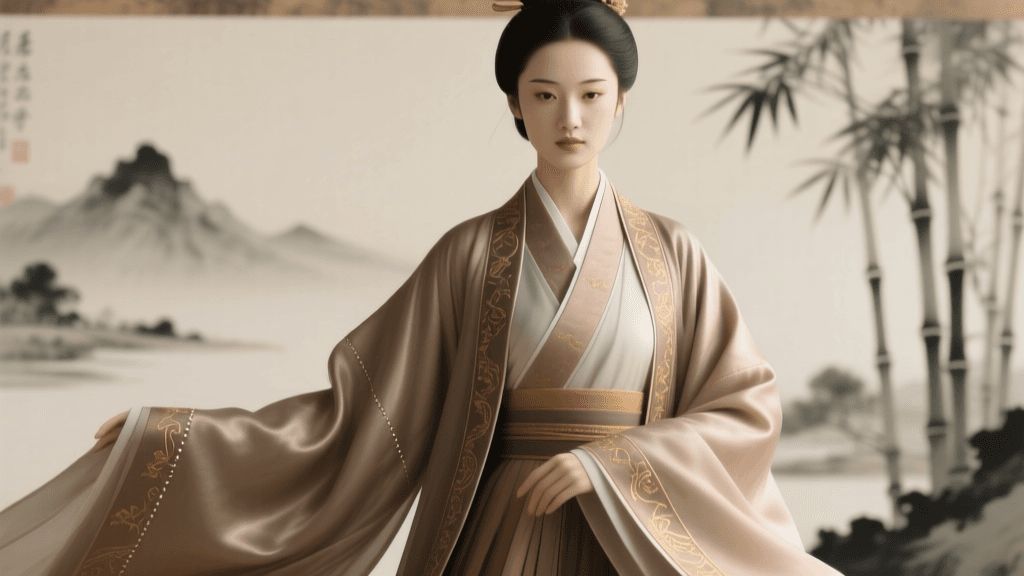
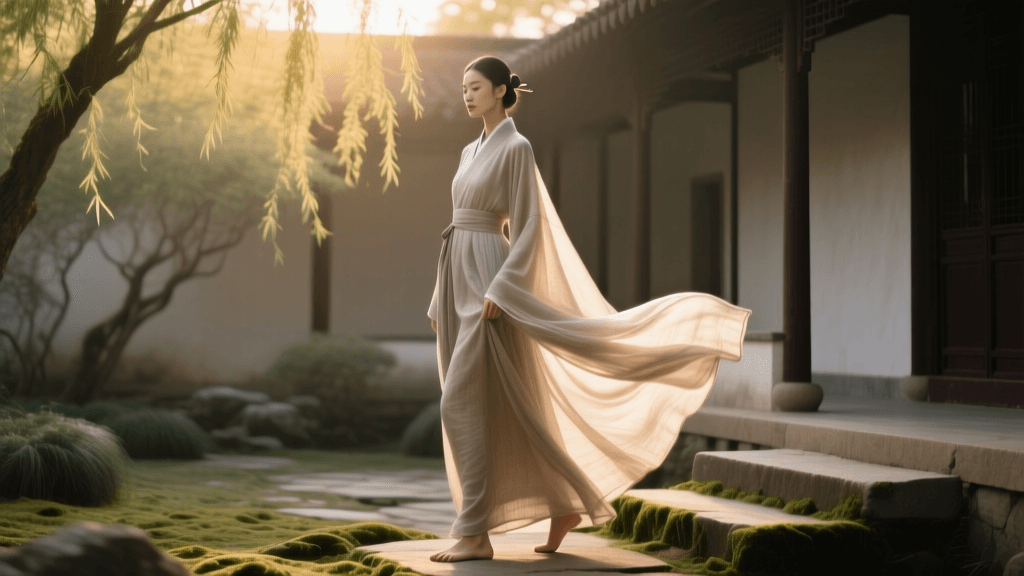
In textile engineering, 'drape' refers to the ability of a fabric to fold and hang gracefully under its own weight. It is measured by flexural rigidity and bending length. Traditional Hanfu designs, as preserved in historical archives studied by institutions like the Metropolitan Museum of Art Asian Art Department, rely heavily on high-drape fabrics to create the ethereal, flowing lines characteristic of the Tang and Song dynasties. Conversely, garments like the Ming dynasty's structured Aoqun (jacket and skirt sets) benefit from medium-to-low drape fabrics that hold crisp pleats and rigid collars. In 2026, textile manufacturers have perfected the art of blending natural fibers to achieve customized drape coefficients, allowing wearers to select fabrics tailored to specific Hanfu silhouettes.
Mulberry Silk and Xiangyunsha: The Heritage Gold Standards
Mulberry Silk (Sang Can Si)
Grade 6A mulberry silk remains the undisputed champion of luxury Hanfu. Its microscopic triangular prism-like structure refracts light, giving it a natural, pearlescent luster. In 2026, the market has seen a surge in heavy-weight silk crepes (22 to 30 momme) specifically woven for Mamianqun. These heavier silks offer exceptional drape, resisting wind-induced flipping while maintaining a buttery hand-feel. However, pure silk lacks elasticity and requires meticulous care, making it better suited for special occasions or climate-controlled environments.
Xiangyunsha (Gambiered Canton Gauze)
Recognized as a national intangible cultural heritage, Xiangyunsha is a silk dyed with薯莨 (Shuliang) yam juice and coated in river mud. The China National Silk Museum highlights this fabric's unique dual-texture: one side is matte and earthy, while the other is glossy and smooth. In 2026, authentic Xiangyunsha commands a premium price, often exceeding $120 per meter. Its drape is uniquely fluid, and it possesses natural antibacterial and moisture-wicking properties, making it incredibly comfortable for humid summer wear. The fabric actually softens and improves in drape with age and wear, developing a rich patina.
Ramie and Linen: Breathability vs. Structural Stiffness
For the sweltering heat of mid-summer, plant-based bast fibers like ramie and linen are indispensable. Ramie, historically used in ancient China before cotton became widespread, offers a crisp, slightly stiff texture. While its drape coefficient is low—meaning it does not flow like silk—this stiffness is highly desirable for structured garments like the Song dynasty's Beizi (open-front coats) or Banbi (half-sleeve vests).
Modern 2026 textile processing has introduced 'cottonized' ramie and enzyme-washed linen blends that significantly reduce the traditional scratchiness of bast fibers. These treatments lower the flexural rigidity just enough to provide a gentle, relaxed drape while maintaining the fabric's legendary thermal conductivity. Linen and ramie Hanfu excel in breathability, allowing air to circulate freely, though they are prone to deep wrinkling, which many wearers now embrace as part of the 'wabi-sabi' natural aesthetic.
Modern Innovations: Tencel and Cupro Blends
The most significant shift in the 2026 Hanfu market is the widespread adoption of regenerated cellulose fibers, specifically Tencel (Lyocell) and Cupro. Sourced from sustainably managed eucalyptus plantations and processed in closed-loop systems, as detailed by the Lenzing Group, Tencel offers a vegan alternative to silk that mimics its drape almost perfectly.
Tencel Hanfu fabrics feature a high moisture regain rate (up to 12%), making them exceptionally cool to the touch and comfortable against the skin. Cupro, derived from cotton linter, offers a similar silky hand-feel with excellent anti-static properties—a crucial feature for layered Hanfu worn in dry winter climates. For the modern commuter, Tencel-blend Mamianqun are a revelation: they offer the heavy, swinging drape of 30-momme silk but are machine-washable, wrinkle-resistant, and priced at a fraction of the cost.
2026 Hanfu Fabric Comparison Chart
| Fabric Type | Drape Profile | Breathability & Comfort | 2026 Avg. Cost (per meter) | Best Hanfu Application |
|---|---|---|---|---|
| Mulberry Silk (22mm+) | High (Fluid, heavy flow) | Moderate (Warm in direct sun) | $65 - $95 | Mamianqun, Daxiushan, formal Ruqun |
| Xiangyunsha | High (Fluid, rustling sound) | Excellent (Cool, moisture-wicking) | $120 - $180 | Summer Aoqun, premium daily wear |
| Enzyme-Washed Linen | Low to Medium (Relaxed, crisp) | Exceptional (Highly breathable) | $25 - $40 | Beizi, Banbi, Song-style daily sets |
| Ramie Blends | Low (Stiff, structured) | Excellent (Cool, quick-drying) | $20 - $35 | Structured collars, summer outer layers |
| Tencel / Lyocell | High (Silky, anti-static) | High (Cool touch, soft) | $18 - $30 | Everyday Mamianqun, layered skirts |
| Cupro Blends | Medium-High (Soft, velvety) | High (Breathable, hypoallergenic) | $22 - $38 | Winter inner layers, Ruqun tops |
Practical Buying and Care Guide for 2026
Assessing the 'Hand-Feel' and Weight
When shopping for Hanfu online in 2026, always check the fabric's GSM (grams per square meter) or momme weight. For a Mamianqun that holds its pleats well and swings beautifully when you walk, look for a minimum of 150 GSM for Tencel blends, or 22 momme for silk. Lightweight chiffons (under 70 GSM) should be avoided for main skirts, as they lack the structural integrity to maintain the garment's historical silhouette and often require an additional slip skirt, reducing overall comfort.
Modern Fabric Maintenance
The integration of smart home technology has revolutionized Hanfu care. Many 2026 smart washing machines now feature dedicated 'Xiangyunsha' and 'Mulberry Silk' cycles, utilizing ultrasonic agitation and precise temperature control (strictly below 30°C) to clean delicate fibers without damaging their protein structures or mud coatings. For daily Tencel and linen garments, steam-refreshing is highly recommended over frequent washing. A handheld garment steamer not only removes wrinkles but also restores the natural loft and drape of the fibers, ensuring your Hanfu maintains its elegant flow season after season.
Conclusion
The landscape of Hanfu textiles in 2026 offers an unprecedented blend of historical reverence and modern material science. Whether you are drawn to the ancestral luxury of Xiangyunsha, the crisp summer relief of enzyme-washed linen, or the sustainable, high-drape convenience of Tencel, understanding the physics of fabric drape and comfort is essential. By selecting the right textile for your specific garment style and lifestyle, you ensure that the ancient elegance of Asian traditions continues to flow seamlessly into the modern world.