Komon vs Furisode: 2026 Kimono Styling & Rental Guide
The Resurgence of Japanese Traditional Garments in 2026
In 2026, the global appreciation for Japanese traditional garments has reached new heights, driven by a fusion of heritage craftsmanship and modern sustainable fashion movements. While the kimono is often viewed by international observers as a single, monolithic garment, the reality is a highly structured sartorial system governed by strict rules of formality, seasonality, and marital status. Understanding the dichotomy between everyday wear and ceremonial masterpieces is essential for anyone looking to purchase, rent, or study Asian traditional garments today.
According to the Victoria and Albert Museum's comprehensive guide to Kimono, the evolution of these garments reflects deep societal shifts. Today, the contrast between the casual Komon and the highly formal Furisode represents the most vital distinction in a modern kimono wardrobe. This guide breaks down the structural, textile, and styling differences between everyday and ceremonial kimono, complete with 2026 market pricing and rental data.
The Everyday Wardrobe: Komon and Yukata
Komon: The Casual Staple
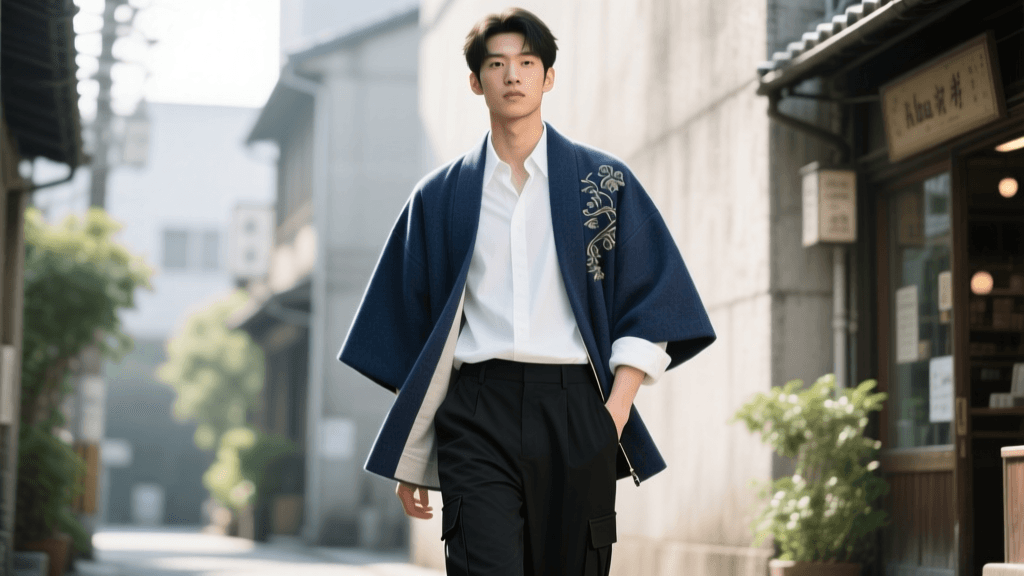
The Komon (小紋) translates to 'small pattern' and serves as the backbone of everyday kimono wear. Characterized by repeating patterns that cover the entire garment without a specific directional flow, Komon are the jeans-and-t-shirt equivalent of the kimono world. In 2026, vintage upcycled Komon from the Showa era are incredibly popular among young adults in Tokyo's Harajuku and Shimokitazawa districts, often paired with modern accessories like leather boots or contemporary minimalist jewelry.
Because they are meant for daily or casual outings—such as visiting a cafe, attending a casual tea gathering, or shopping—Komon are frequently made from washable polyester blends or lightweight wools. High-end artisan Komon, featuring hand-dyed Edo Komon micro-patterns, blur the line into semi-formal wear, but standard Komon remain strictly casual.
Yukata: Summer Ease
For the humid Japanese summer, the Yukata is the undisputed everyday garment. Originally a bathhouse robe, it is now the standard festival and summer streetwear garment. Made from unlined cotton or modern breathable hemp-blends, Yukata do not require the complex undergarments (nagajuban) that silk kimono demand, making them highly accessible for beginners and international tourists.
The Ceremonial Masterpieces: Furisode and Tomesode
Furisode: The Pinnacle of Unmarried Formality
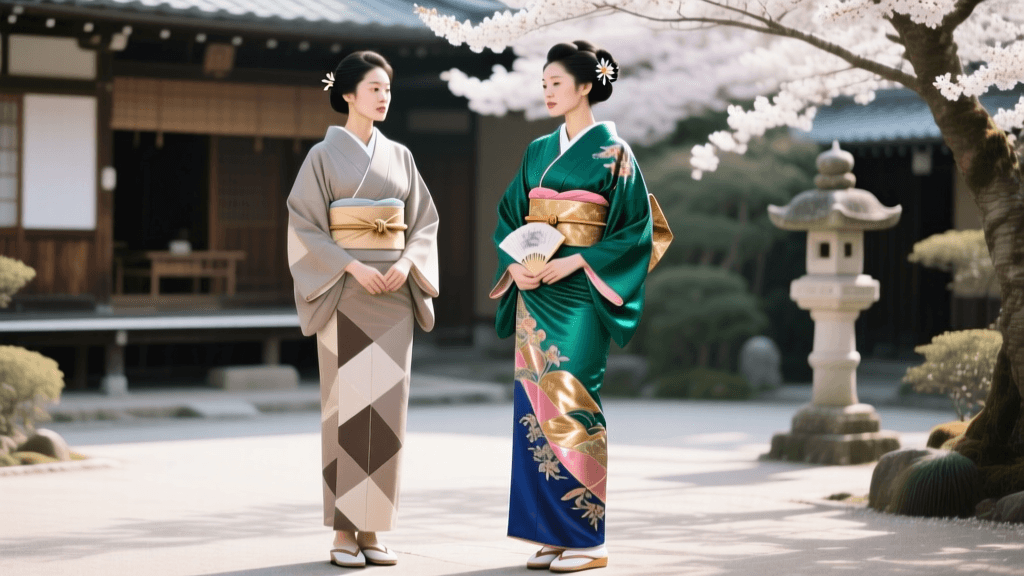
When the occasion demands absolute grandeur, the Furisode (振袖) takes center stage. Worn exclusively by unmarried women, the Furisode is instantly recognizable by its dramatically long, swinging sleeves, which can measure anywhere from 85cm to over 110cm in length. The Metropolitan Museum of Art's Heilbrunn Timeline of Art History notes that historically, the swinging sleeves were believed to ward off evil spirits and express romantic interest; today, they are a symbol of youthful celebration.
Furisode are worn for the Seijin no Hi (Coming of Age Day), university graduations, and as the primary attire for unmarried female guests at weddings. The textiles are heavy, luxurious silks, often adorned with surihaku (gold leaf application) and intricate yuzen dyeing techniques depicting auspicious motifs like cranes, pine trees, and flowing water.
Kurotomesode: Married Women's Formality
For married women, the highest level of ceremonial formality is the Kurotomesode (black with truncated sleeves). Featuring a solid black background with five family crests (kamon) and a continuous hem pattern (eba) that flows across the seams, this garment is reserved strictly for the closest relatives at weddings, such as the mother of the bride or groom.
2026 Cost & Rental Comparison Chart
Whether you are shopping in Kyoto's Gion district or browsing online ateliers, understanding the 2026 pricing landscape is crucial. Inflation and a renewed push for artisan-made textiles have shifted prices slightly upward from previous years.
| Garment Type | Formality Level | Sleeve Length | Primary Fabric | Avg 2026 Retail (USD) | Avg 2026 Rental (USD) |
|---|---|---|---|---|---|
| Yukata | Casual / Summer | Standard (49cm) | Cotton / Hemp | $80 - $250 | $25 - $40 |
| Komon | Everyday / Casual | Standard (49cm) | Polyester / Silk | $150 - $800 | $40 - $75 |
| Homongi | Semi-Formal / Formal | Standard (49cm) | Silk Brocade | $1,200 - $4,500 | $90 - $150 |
| Furisode | Ceremonial (Unmarried) | Long (100cm+) | Heavy Silk / Yuzen | $3,000 - $10,000+ | $130 - $250 |
| Kurotomesode | Ceremonial (Married) | Short (49cm) | Black Silk / Crests | $2,500 - $8,000 | $110 - $200 |
Note: Rental prices in 2026 typically include the garment, obi, undergarments, basic accessories, and professional dressing services at a Kyoto or Tokyo salon.
The Architecture of the Obi
The formality of a kimono is inextricably linked to the obi (sash) worn with it. An everyday Komon is paired with a Hanhaba obi—a narrow, half-width sash that is easy to tie into simple bows like the bunko knot. In 2026, 3D-printed resin obidome (sash clasps) and vintage woven hanhaba obi are trending heavily for casual street styling.
Conversely, a ceremonial Furisode requires a Fukuro obi or the highly formal Maru obi. These are heavy, brocaded silk sashes woven with real gold and silver threads. Tying a Furisode obi requires professional assistance, resulting in elaborate, sculptural knots like the fukura-suzume (puffed sparrow) or tateya (standing arrow), which sit high on the back and can weigh several kilograms on their own.
Footwear and Undergarments: Completing the Silhouette
The distinction between everyday and ceremonial extends to the feet. Casual Komon and Yukata are worn with geta (wooden clogs) or simple fabric sandals. The aesthetic is relaxed, allowing for a slightly lower collar and a softer, more natural posture.
Ceremonial garments demand zori—formal sandals covered in brocade or vinyl, worn with pristine white tabi (split-toe socks). Furthermore, the undergarments (nagajuban) for a Furisode must feature a formal silk collar (han-eri) adorned with subtle embroidery or Swarovski crystals, a popular modernization seen in 2026 bridal and coming-of-age salons.
Styling Rules You Cannot Break
Whether you are wearing a casual cotton Yukata or a $10,000 silk Furisode, certain rules of Asian traditional garment etiquette remain absolute:
- Left over Right: The left panel of the kimono must always wrap over the right panel. Wrapping right over left is strictly reserved for dressing the deceased for burial.
- The Collar Gap: For women, the back of the collar should be pulled down to expose the nape of the neck, considered a highly elegant and traditional aesthetic. In 2026, specialized plastic collar stays are widely used to maintain this perfect curve throughout a long ceremonial day.
- Crest Count: Never wear a garment with family crests (kamon) to a casual event. Five crests denote the highest ceremonial formality, while zero crests denote everyday wear.
Conclusion: Navigating the 2026 Kimono Market
The divide between the everyday Komon and the ceremonial Furisode highlights the genius of the Japanese sartorial system: it provides a garment for every conceivable moment of human experience. As we move through 2026, the integration of sustainable vintage markets for everyday wear, alongside the preservation of master-level Yuzen dyeing for ceremonial pieces, ensures that the kimono remains a living, breathing tradition. Whether you are renting a Komon for a casual afternoon in Kyoto or investing in a bespoke Furisode for a milestone celebration, respecting the historical boundaries of these garments is the key to wearing them with true elegance.