Ultimate 2026 Hanfu Travel Wardrobe: Packing & Destination Guide
The Rise of the Hanfu Travel Wardrobe in 2026
The global fascination with traditional Chinese garments has evolved from local street fashion into a worldwide travel phenomenon. As we navigate the cultural tourism landscape of 2026, enthusiasts are no longer relying exclusively on destination rental shops. Instead, travelers are curating personalized, historically inspired travel wardrobes to wear while exploring ancient cities, attending international cultural festivals, and capturing cinematic photography across diverse climates. However, packing Hanfu requires a highly strategic approach. Unlike modern Western clothing, traditional garments feature intricate layering, delicate silk organza, sweeping sleeves, and pleated skirts that demand specialized care to prevent creasing and damage during transit.
Whether you are planning a humid summer getaway to the water towns of Jiangnan or a crisp autumn photoshoot in the mountains of Kyoto, building a functional Hanfu travel wardrobe is an art form. This comprehensive guide will walk you through destination-specific styling, wrinkle-free packing techniques, and the ultimate 2026 on-the-go care kit to ensure your traditional garments remain pristine throughout your journey.
Destination-Specific Hanfu Selection Matrix
Hanfu is not a single, monolithic garment; it encompasses thousands of years of evolving silhouettes, fabrics, and layering systems. According to comprehensive historical records on Hanfu, the variations between dynasties dictate not only the aesthetic but also the thermal properties and mobility of the clothing. Choosing the right dynasty style for your destination's climate is the most critical step in your packing process.
| Dynasty Style | Ideal Climate | 2026 Top Destinations | Fabric & Mobility Notes |
|---|---|---|---|
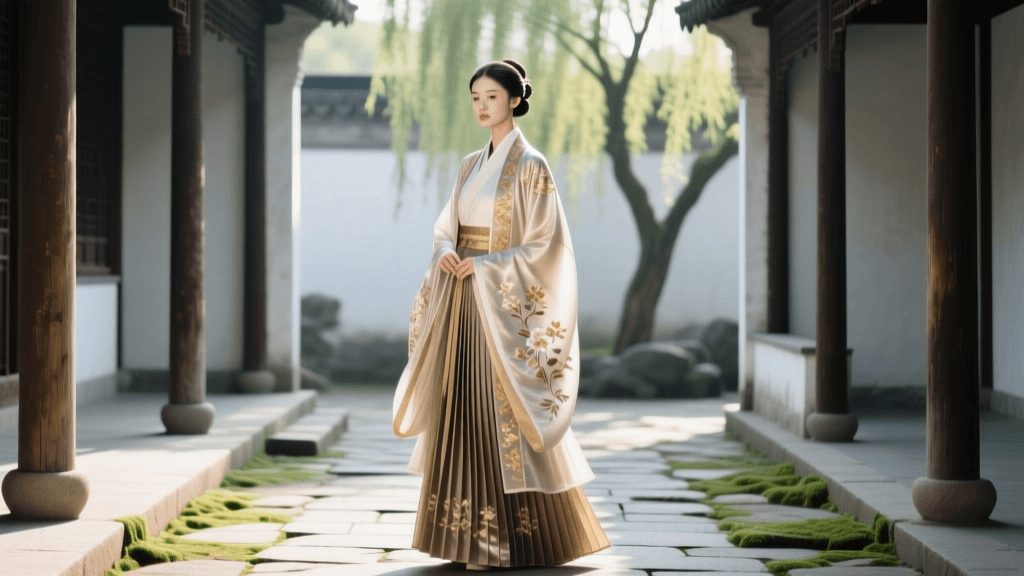
| Song Dynasty | Hot, Humid, Tropical | Suzhou, Hangzhou, Southeast Asia | Lightweight linen, thin silk, narrow sleeves (Beizi). High breathability and ease of movement. |
| Ming Dynasty | Cold, Crisp, Winter | Beijing, Seoul, Northern Europe | Heavy brocade, wool blends, layered Ao Qun. Excellent wind resistance and thermal retention. |
| Wei / Jin | Breezy, Mild, Mountainous | Chengdu, Kyoto, Scottish Highlands | Flowing chiffon, wide sleeves, crossed collars. Creates dramatic, wind-blown photography. |
| Tang Dynasty | Warm Resort, Evening | Bali, Dubai, Mediterranean Coasts | Vibrant silks, high-waisted chests, bare shoulders. Best for luxury dinners and sunset shoots. |
By aligning your garment choices with the environmental realities of your destination, you ensure both personal comfort and historical plausibility in your styling.
The 2026 Wrinkle-Free Packing Method
Silk and natural fibers are notoriously prone to deep, stubborn creases when compressed in standard luggage. To avoid spending the first hour of your vacation steaming your garments in a cramped hotel bathroom, adopt the Bundle Wrapping and Tissue Stuffing method, which has become the gold standard for traditional garment travelers in 2026.
Step-by-Step Packing Guide
- Prep the Skirts (Mamianqun): Pleated skirts require special attention. Never fold a pleated skirt horizontally. Instead, roll it gently from the waistband down to the hem, or lay it flat in a rigid, custom-sized garment folder to preserve the knife pleats.
- Tissue Stuffing for Sleeves: For garments with wide, sweeping sleeves, stuff the armholes and sleeves with acid-free archival tissue paper. This prevents hard creases from forming at the shoulder joints and elbow bends.
- The Bundle Wrap: Lay your largest, most wrinkle-resistant garment (like a cotton or linen inner layer) flat on your bed. Place your more delicate silk tops and outerwear in the center. Fold the outer garment over the delicate pieces, creating a protective, padded bundle that distributes pressure evenly in your suitcase.
- Use Silk Organza Bags: Avoid plastic dry-cleaning bags, which trap moisture and cause yellowing. Store each bundled outfit in breathable silk organza or unbleached cotton drawstring bags to protect against friction and luggage dust.
The Ultimate Hanfu Travel Care Kit
Even with meticulous packing, travel introduces unpredictable elements: sudden rain, accidental spills, and static cling. Your 2026 travel care kit should be compact, TSA-compliant, and specifically tailored to the needs of multi-layered traditional garments.
- Portable Smart Steamer: The latest 2026 travel steamers feature dual-voltage capabilities and ceramic-coated plates that glide over delicate silk without burning. Look for models under 800 grams that heat up in under 30 seconds.
- Anti-Static Spray & Silk Conditioner: Winter travel with Ming-style garments often results in severe static cling, which ruins the drape of the skirt. A travel-sized bottle of botanical anti-static spray is essential.
- Double-Sided Fashion Tape & Safety Pins: Traditional garments rely on ties and ribbons, which can sometimes come undone during active travel or windy photoshoots. Matte-finish safety pins and skin-safe fashion tape ensure your collars and lapels stay perfectly aligned.
- Waterless Stain Remover Pens: When dining in a flowing-sleeved garment, the risk of dipping your cuffs into soup is high. A waterless, enzymatic stain removal pen allows you to treat spots immediately without needing to wash the entire delicate garment.
Navigating Airport Security and Transit Etiquette
Wearing Hanfu during transit presents unique logistical challenges. Metal hairpins, ornate cloud shoulders (Yunjian) with metallic threads, and heavy brocade belts can trigger alarms at airport security checkpoints. In 2026, savvy travelers opt for TSA-friendly accessories. Swap traditional metal hair sticks for carved wood, resin, or acrylic alternatives that mimic the look of jade and gold without setting off metal detectors.
Furthermore, airplanes and high-speed trains are heavily air-conditioned. If you choose to travel in your Hanfu to maximize your time at the destination, layering is crucial. A modern, minimalist turtleneck worn beneath a Song Dynasty Beizi (open-front jacket) provides warmth while maintaining a sleek, culturally respectful silhouette. Always carry a lightweight pashmina or wool shawl to protect delicate silk collars from the oils and sweat on your neck during long-haul flights.
Cold Weather Layering: The Ming Dynasty Advantage
For those traveling to colder climates, the Ming Dynasty wardrobe offers unparalleled elegance and warmth. As noted by The Metropolitan Museum of Art's Heilbrunn Timeline of Art History, the Ming era was characterized by rich textiles, robust layering, and structured silhouettes that are perfectly suited for modern winter travel. The Pifeng (cloak) and the Yunjian (cloud shoulder) are not merely decorative; they serve as vital windbreakers that protect the inner silk layers from harsh weather.
When packing for a winter destination, incorporate modern thermal base layers that feature deep V-necks to remain hidden beneath the crossed collars of your Ao (jacket). Pair this with fleece-lined Mamianqun skirts that utilize modern micro-fleece technology to trap heat without adding bulk to the traditional pleats.
Photography, Lighting, and Wardrobe Management
A major motivation for traveling with a personal Hanfu wardrobe is the desire for high-quality photography. When planning your daily itinerary, consider how sunlight interacts with your chosen fabrics. Thin, light-colored Song dynasty silks are best photographed during the 'golden hour' just after sunrise or before sunset, allowing the light to pass through the fabric and highlight the delicate weaving patterns. Conversely, heavy, dark Ming brocades absorb light and look most striking in overcast conditions or shaded bamboo forests, where the rich textures and metallic threads can catch ambient light without harsh glare.
Always bring a 'skirt sweeper'—a small, soft-bristled brush—to gently sweep dust, pollen, and debris from the hem of your skirt after walking through gardens or unpaved historical sites. This simple habit preserves the integrity of the fabric and saves you from extensive spot-cleaning later.
Conclusion
Curating a Hanfu travel wardrobe in 2026 is a rewarding endeavor that bridges the gap between historical reverence and modern exploration. By carefully selecting destination-appropriate dynasty styles, mastering the art of wrinkle-free packing, and assembling a specialized care kit, you can traverse the globe with elegance and confidence. Traditional garments were designed to be lived in, moved in, and celebrated—pack smart, respect the textiles, and let your wardrobe tell a beautiful story wherever your travels take you.