Korean Bridal Hwalot vs Everyday Hanbok: 2026 Styles
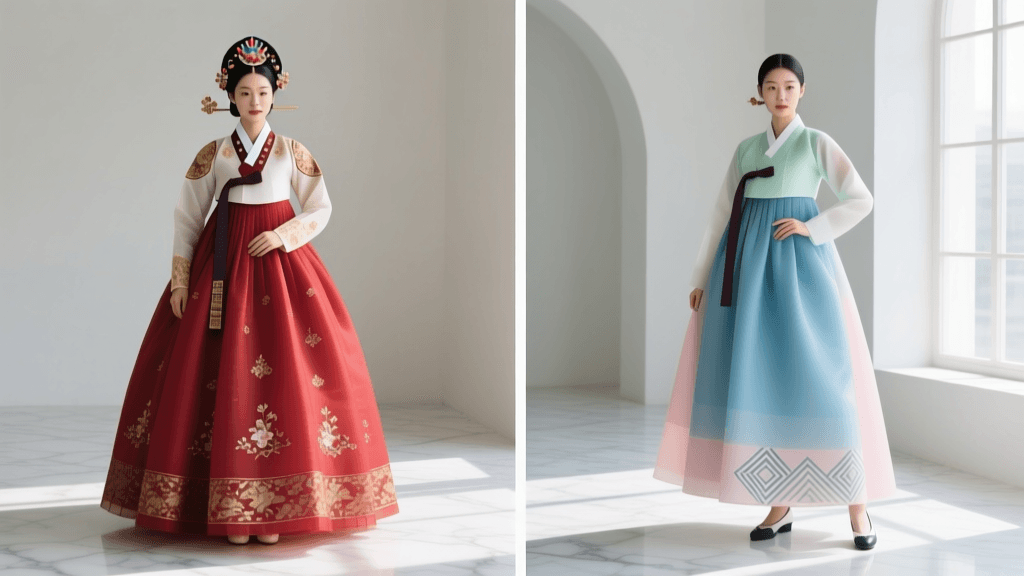
The evolution of Korean traditional dress is one of the most fascinating sartorial journeys in East Asia. As we navigate the fashion landscape of 2026, the dichotomy between strict ceremonial garments and modernized daily wear has never been more pronounced. On one end of the spectrum, we have the Hwalot, a heavily embroidered, historically significant bridal robe reserved for life’s most monumental occasions. On the other, we have the Saenghwal Hanbok (lifestyle hanbok), a booming category of everyday traditional wear that has fully integrated into the modern global wardrobe.
For enthusiasts, collectors, and those planning cultural events, understanding the structural, textile, and stylistic differences between these two extremes is essential. According to the Encyclopædia Britannica, the fundamental structure of the hanbok—comprising the jeogori (jacket) and chima (skirt) for women—has remained conceptually intact for centuries, yet the 2026 interpretations of these garments vary wildly in weight, cost, and utility.
The Ceremonial Hwalot: Heritage and Grandeur
The Hwalot (활옷) is the pinnacle of Korean ceremonial dress. Originally worn by princesses and royal court women during the Goryeo and Joseon dynasties, it eventually transitioned into the ultimate bridal garment for the pyebaek (traditional wedding ceremony). As documented in the comprehensive historical archives on Korean dress, the Hwalot is characterized by its sweeping floor-length silhouette, wide sleeves, and vivid use of primary colors, most notably a striking red exterior and blue interior.
Construction and Textiles in 2026
A genuine, bespoke Hwalot in 2026 is a masterpiece of slow fashion. The outer layer is typically crafted from heavy silk damask or brocade, while the intricate embroidery is done using silk threads and, in premium modern commissions, subtle metallic gold leafing. The motifs are strictly symbolic: peonies represent wealth and honor, lotus flowers signify purity, and pairs of phoenixes or mandarin ducks denote marital harmony and fidelity.
- Weight: A fully embroidered Hwalot can weigh between 5 to 10 pounds (2.2 to 4.5 kg), requiring significant physical stamina to wear for extended periods.
- Silhouette: Floor-length with a dramatic, sweeping hem. The sleeves are exceptionally wide, often featuring contrasting color cuffs (saekdong) and white silk overlays to protect the intricate embroidery from the wearer's hands.
- Cost: In 2026, commissioning a bespoke, hand-embroidered Hwalot from a master artisan in Seoul or Busan ranges from $4,500 to over $8,000 USD. For those who cannot justify this investment, the 2026 luxury rental market offers high-quality replicas for $300 to $600 per day.
Everyday Saenghwal Hanbok: The 2026 Renaissance
While the Hwalot is locked in the realm of ceremony, the Saenghwal Hanbok (생활한복) has exploded into the mainstream. Translating to "lifestyle hanbok," this category reimagines traditional silhouettes for the rigors of modern daily life. In 2026, the everyday hanbok is no longer viewed as a costume, but as a versatile, sustainable fashion choice embraced by Gen Z and Millennials globally.
Modern Adaptations and Smart Fabrics
The defining feature of the 2026 Saenghwal Hanbok is practicality without the loss of cultural identity. Designers have drastically altered the traditional proportions. The jeogori is often tailored closer to the body or cropped to sit naturally at the modern waistline, while the chima is shortened to midi or knee-length to accommodate walking, cycling, and public transit.
Furthermore, the 2026 textile market has introduced eco-friendly and smart-weave fabrics into the hanbok space. Brands are now utilizing organic hemp blends, Tencel, and recycled polyester that mimic the drape of traditional silk but offer machine-washability and wrinkle resistance. A major trend in 2026 is the integration of hidden, deep pockets into the voluminous skirts—a highly requested feature that bridges the gap between historical aesthetics and modern utility.
- Weight: Feather-light, typically weighing less than 1.5 pounds (0.6 kg).
- Silhouette: A-line midi skirts, balloon sleeves, and wrap-style closures that utilize hidden hooks or magnetic snaps instead of complex traditional ties (goreum).
- Cost: Mass-produced and indie-designed everyday hanbok retail between $80 and $280 USD, making them accessible for regular rotation in a capsule wardrobe.
Comparison Chart: Ceremonial vs. Everyday Hanbok
To easily distinguish between these two categories when shopping or planning an event, refer to the 2026 comparison matrix below:
| Feature | Ceremonial Hwalot | Everyday Saenghwal Hanbok |
|---|---|---|
| Primary Use | Weddings, Pyebaek, Royal Reenactments | Daily wear, office, cafes, travel |
| Textiles | Heavy silk damask, brocade, metallic threads | Cotton, linen, Tencel, recycled blends |
| Weight | 5 - 10 lbs (Heavy, restrictive) | 0.5 - 1.5 lbs (Light, breathable) |
| Skirt Length | Floor-length, sweeping hem | Midi, knee-length, or ankle-grazing |
| Closure | Complex ties, inner ribbons, layered pins | Hidden hooks, zippers, magnetic snaps |
| 2026 Avg. Cost | $4,500+ (Bespoke) / $400 (Rental) | $90 - $280 (Retail) |
| Maintenance | Specialist dry clean, climate-controlled storage | Machine washable (gentle cycle), hang dry |
Practical Styling Tips for 2026
Styling traditional garments for the modern era requires a delicate balance of respect for heritage and contemporary aesthetics. Whether you are wearing a rented Hwalot for a wedding or a cotton Saenghwal set for a weekend in Seoul, the accessories you choose will anchor your look.
Footwear Pairings
For the Hwalot, traditional kkotsin (embroidered silk shoes) or hwa (leather boots) are mandatory. In 2026, many brides opt for custom-dyed leather Mary Janes with a slight block heel to provide the arch support needed to carry the heavy garment. For the Saenghwal Hanbok, the styling rules are wonderfully relaxed. Sleek, minimalist leather sneakers, Chelsea boots, and even strappy summer sandals are widely accepted and frequently seen on the streets of Gangnam and in global fashion capitals.
Hair and Accessories
Ceremonial hair demands the daenggi (traditional ribbon) woven into thick braids, often supplemented with a jokduri (ceremonial coronet) and a long binyeo (ornamental hairpin). Conversely, the 2026 everyday hanbok trend favors minimalist hair. A low, messy chignon or a simple claw-clip updo complements the soft, modern drape of the linen jeogori without looking overly theatrical. When it comes to jewelry, everyday hanbok pairs beautifully with modern pearl drop earrings and delicate gold chains, replacing the heavy jade and amber pendants of the past.
Care and Maintenance: Preserving Your Garments
The longevity of your garments depends entirely on proper maintenance, which differs vastly between ceremonial and everyday pieces.
"The preservation of heavy silk embroidery requires an understanding of protein fibers. Never expose a Hwalot to direct sunlight or standard chemical dry-cleaning solvents, as this will cause the metallic threads to tarnish and the silk to shatter over time." — 2026 Textile Conservation Guidelines, Asian Garment Heritage Institute.
Caring for the Hwalot
If you own a bespoke Hwalot, it must be stored flat in an acid-free, archival textile box. Cedar wood chests are traditional but can sometimes transfer oils; modern conservationists recommend unbleached cotton storage bags with silica gel packets to control humidity. Spot cleaning is the only safe method for minor stains, using distilled water and a microfiber cloth. For deep cleaning, seek out a specialist who handles museum-grade antiquities and theatrical costumes.
Caring for Everyday Saenghwal Hanbok
The beauty of the 2026 lifestyle hanbok is its low-maintenance nature. Most cotton and Tencel blends can be machine washed. To preserve the structural integrity of the chima pleats and the stiffness of the jeogori collar:
- Turn the garments inside out and place them in a fine mesh laundry bag.
- Use a mild, pH-neutral eco-detergent on a cold, delicate cycle.
- Never use a tumble dryer. Hang the skirt on a multi-clip hanger to let the pleats air-dry naturally, and lay the jacket flat to prevent the collar from warping.
- Iron on a low steam setting, always using a pressing cloth between the iron and the fabric to prevent unwanted shine on the fibers.
Where to Source Authentic Garments in 2026
The global appetite for Korean traditional dress has led to a robust international market. For ceremonial Hwalot rentals or purchases, specialized boutiques in Seoul's Insadong and Bukchon Hanok Village remain the gold standard. Many of these heritage houses now offer virtual consultations and global shipping for bespoke measurements. For everyday Saenghwal Hanbok, the digital landscape is thriving. Independent designers on platforms like Etsy and specialized Korean fashion export sites offer ready-to-wear collections that ship worldwide. Brands like Sonjjang Hanbok and Tchai Kim continue to lead the 2026 market, offering seasonal drops that blend traditional motifs with contemporary streetwear sensibilities. When shopping online, always verify the fiber content; genuine everyday hanbok should list natural or semi-synthetic breathable fibers, avoiding cheap, non-breathable polyesters that trap heat and ruin the elegant drape of the skirt.
Final Thoughts
The contrast between the monumental Hwalot and the fluid Saenghwal Hanbok perfectly encapsulates the dual nature of Asian traditions in the modern era. One demands reverence, patience, and a connection to ancestral rituals; the other invites playfulness, comfort, and daily integration. By understanding the distinct purposes, textiles, and care requirements of both, you can confidently navigate the rich, vibrant world of Korean traditional dress in 2026 and beyond.