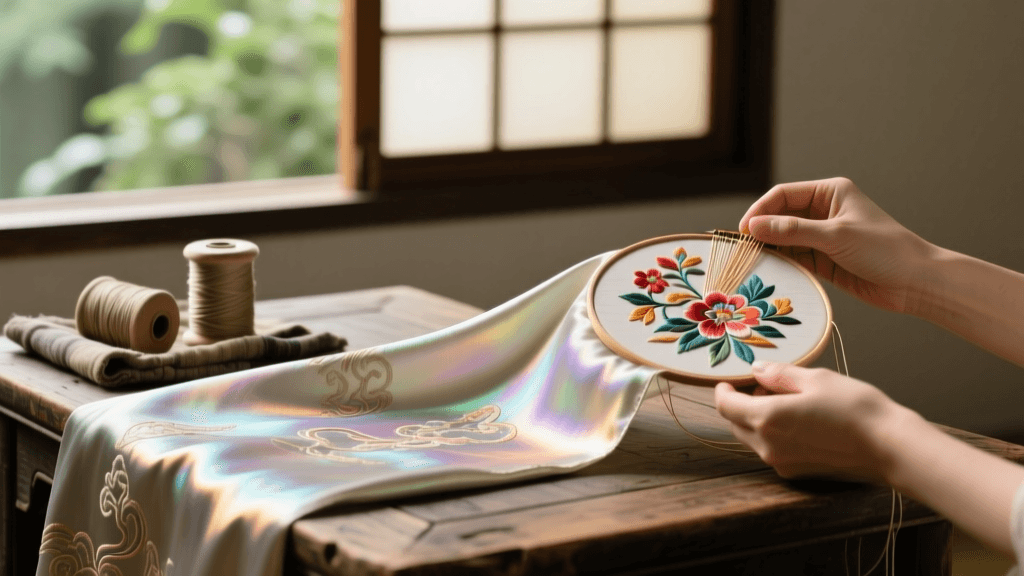
Mastering Wasai: 2026 Kyoto Kimono Sewing Workshops Guide
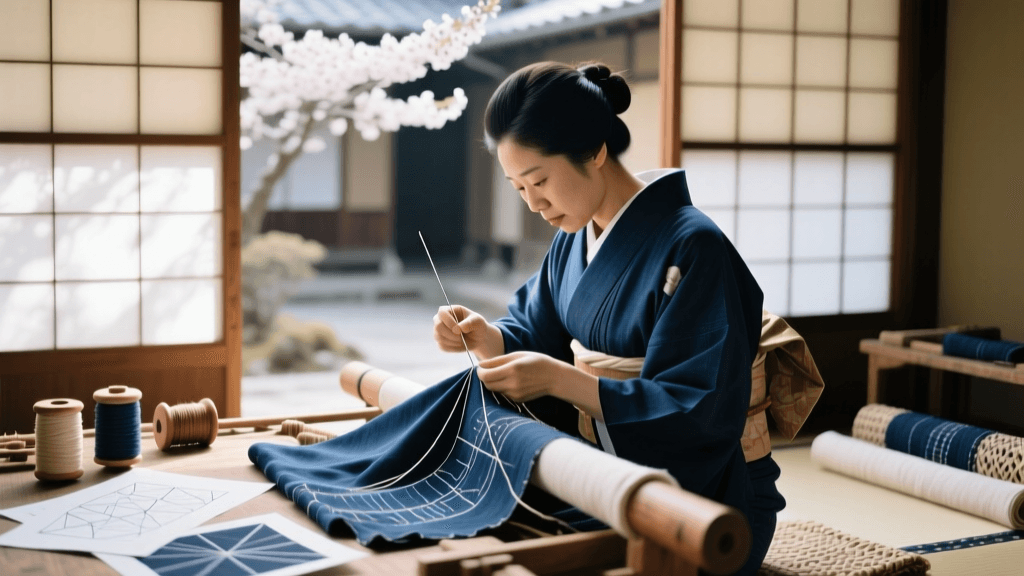
The Renaissance of Wasai in 2026
In recent years, the global shift toward sustainable, slow fashion has sparked a massive resurgence in traditional garment-making techniques. Nowhere is this more evident than in the art of Wasai (traditional Japanese sewing). Unlike Western tailoring (yosai), which relies on complex curved patterns and permanent cutting, Wasai is rooted in a zero-waste philosophy. Garments are constructed from straight, rectangular panels cut from a single bolt of fabric known as a tanmono. This means a kimono can be entirely taken apart, cleaned, re-dyed, and resewn without wasting a single thread.
For 2026, Kyoto remains the undisputed epicenter for learning these ancestral techniques. According to the Kyoto City Tourism Association, the city's traditional craft centers have seen a 22% increase in international enrollment for textile seminars this year. Whether you are a seasoned fashion designer looking to incorporate zero-waste pattern drafting into your workflow, or a cultural enthusiast eager to sew your first yukata, the workshops available in 2026 offer unprecedented access to master artisans.
In-Person Kyoto Seminars: What to Expect
Kyoto offers a tiered approach to Wasai education, ranging from brief introductory seminars to rigorous, multi-week masterclasses. Most in-person ateliers are located in the historic Nishijin weaving district or the Higashiyama ward.
The Intensive Tanmono Masterclass
Designed for serious students, this four-week immersive program runs from 9:00 AM to 4:00 PM, Monday through Friday. Students work exclusively with silk tanmono and learn the complete lifecycle of kimono construction. The 2026 tuition for this masterclass averages around 380,000 JPY (approximately $2,550 USD), which includes all materials, tool rentals, and studio access. By the end of the seminar, participants complete a fully lined, formal kimono and a matching haori (jacket).
The Weekend Yukata Seminar
For beginners or those on a tighter schedule, the weekend yukata (summer cotton kimono) seminar is the perfect entry point. Running over two consecutive Saturdays, this workshop focuses on cotton fabrics, which are more forgiving than silk. Students learn basic measuring, marking, and the fundamental hon-geshi (main seam) stitch. Tuition for the 2026 season is typically 45,000 JPY ($300 USD), making it a highly accessible introduction to Japanese sewing.
Hybrid and Virtual Wasai Workshops
If traveling to Japan is not feasible, 2026 has brought remarkable advancements in hybrid learning. Several premier Kyoto ateliers now offer 'Shipped Tanmono' virtual seminars. Upon registration, the school ships a curated cotton or wool tanmono kit directly to your home, complete with pre-measured stencils and a bilingual digital workbook.
Live sessions are conducted via high-definition streaming, with instructors using overhead cameras to demonstrate intricate hand-stitching techniques. These hybrid courses often utilize augmented reality (AR) apps on your smartphone to help you verify your shirushi-tsuke (marking) lines before you commit to cutting or folding. The Victoria and Albert Museum notes in their extensive archive on kimono construction that the precision of these marking lines is what dictates the drape and structural integrity of the final garment, making AR guidance a game-changer for remote learners.
Essential Wasai Toolkit for 2026
Unlike Western sewing, which relies heavily on pins, chalk, and sewing machines, Wasai requires a specialized, minimalist toolkit. Most Kyoto workshops provide these tools, but if you are enrolling in a virtual seminar or wish to build your own home studio, here are the essential items and their 2026 retail prices in Kyoto craft markets.
| Tool Name | Description & Purpose | Average 2026 Cost (JPY) |
|---|---|---|
| Shaku (Bamboo Ruler) | A specialized long ruler used for measuring the tanmono. Traditional shaku use the Japanese measurement system, though metric conversions are taught in modern seminars. | 3,500 - 5,000 |
| Hera (Marking Spatula) | A smooth, flat piece of bamboo or deer antler used to create temporary crease marks on the fabric instead of using chalk or pens. | 1,200 - 2,500 |
| Kakehari (Tension Device) | A wooden clamp and hook system used to hold the fabric taut while sewing, replacing the need for Western sewing pins. | 4,000 - 6,500 |
| Wasai Kote (Traditional Iron) | A specialized, narrow-tipped iron designed specifically for pressing open the deep seam allowances unique to kimono construction. | 12,000 - 18,000 |
| Chakudai (Cutting Board) | A low, wooden table specifically sized to accommodate the 36cm width of a standard tanmono bolt while kneeling. | 15,000 - 25,000 |
The Core Curriculum: From Bolt to Garment
Whether you are sitting in a tatami-matted studio in Kyoto or learning via a hybrid seminar, the pedagogical structure of Wasai follows a strict, time-honored sequence. Understanding this curriculum will help you prepare mentally for the meticulous nature of the craft.
- Step 1: Tachi-awase (Layout and Inspection)
The tanmono is unrolled and inspected for weaving flaws. Students learn how to map out the body panels (migoro), sleeves (sode), collar (eri), and overlap panels (okumi) to ensure pattern alignment, especially crucial for dyed or brocade silks. - Step 2: Shirushi-tsuke (Marking)
Using the hera and shaku, students mark the sewing lines and the crucial kise (seam allowance fold lines). As highlighted by the Metropolitan Museum of Art's Heilbrunn Timeline, the kimono's geometric purity relies entirely on the accuracy of these initial markings. - Step 3: Kiri (Cutting)
Because the tanmono is already woven to the exact width needed for the garment, cutting is minimal and strictly linear. Students learn to use specialized long shears to cut the panels without fraying the silk edges. - Step 4: Nui (Hand Stitching)
Wasai utilizes specific stitches, most notably the hon-geshi for main seams and the chikushi for basting. The stitch length is carefully regulated, usually to about 3-4 millimeters per stitch, requiring immense focus and breath control. - Step 5: Kote-ate (Pressing and Finishing)
Unlike Western garments where seams are pressed flat or open immediately, kimono seams are pressed with a specific technique that hides the stitching thread inside the fold, creating a clean, unbroken line on the exterior of the garment.
Sourcing Materials and Tanmono Kits
A major component of the 2026 workshop experience is learning how to source materials. In Kyoto, students are often taken on guided excursions to the Nishijin Textile Center or local wholesale merchants to purchase their own tanmono. A standard silk tanmono measures approximately 36 centimeters in width and 12 meters in length. Prices for raw silk bolts in 2026 range from 40,000 JPY for basic crepe (chirimen) to over 300,000 JPY for hand-dyed Yuzen silk.
For international students returning home, many Kyoto schools now partner with global textile exporters to ship additional bolts abroad. If you are practicing at home, it is highly recommended to start with a cotton jofu or a wool omesen bolt, which are more affordable, easier to press, and forgiving of beginner stitching errors.
Practical Tips for International Enrollees
Visas and Accommodation
If you plan to attend a long-term masterclass (exceeding 90 days), you will need to apply for a Cultural Activities Visa or a Designated Activities Visa through the Japanese embassy in your home country. Most reputable Kyoto ateliers provide the necessary sponsorship documentation for 2026 enrollments if requested at least four months in advance. For accommodation, many students opt for monthly rentals (monthly mansions) in the Kamigyo ward, which offer a balance of traditional architecture and modern amenities, typically costing between 120,000 and 150,000 JPY per month.
Overcoming the Language Barrier
While an increasing number of Kyoto workshops offer bilingual instruction (Japanese and English), many master artisans still teach exclusively in Japanese. In 2026, real-time translation earbuds have become a common sight in these studios. However, learning basic Wasai terminology—such as migoro (body), sode (sleeve), and kakehari (tension hook)—will vastly improve your rapport with your sensei and your comprehension of the physical demonstrations.
Conclusion
Learning Wasai is not merely about acquiring a sewing skill; it is an immersion into a philosophy of respect for materials, patience, and geometric harmony. The 2026 landscape of Kyoto kimono sewing workshops offers unparalleled opportunities for both local and international students to engage with this living heritage. Whether you are pressing your first silk seam in a Nishijin atelier or marking your cotton yukata via a hybrid virtual seminar, mastering Wasai connects you to centuries of Asian sartorial tradition while equipping you with the ultimate zero-waste design skills for the future.