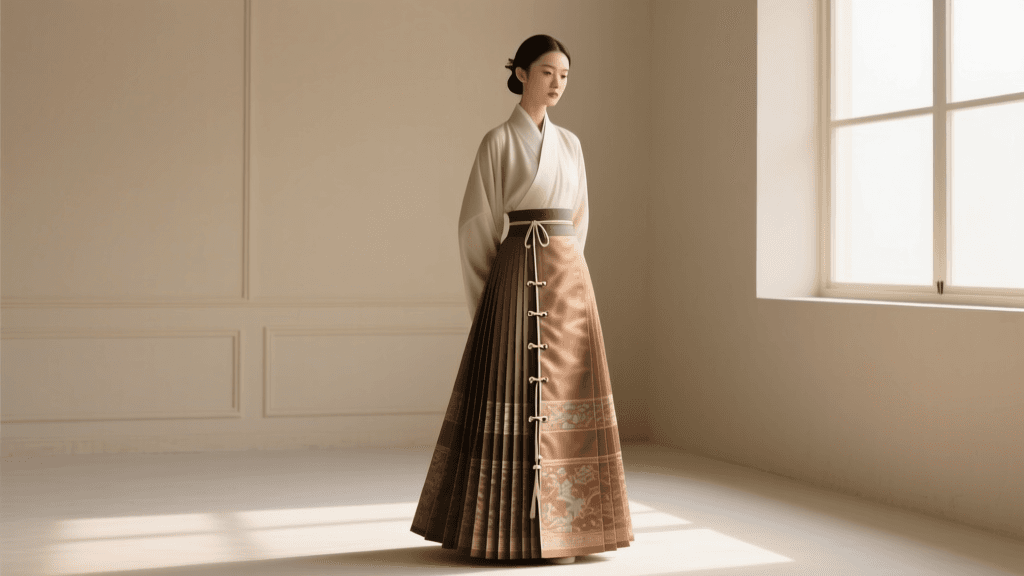
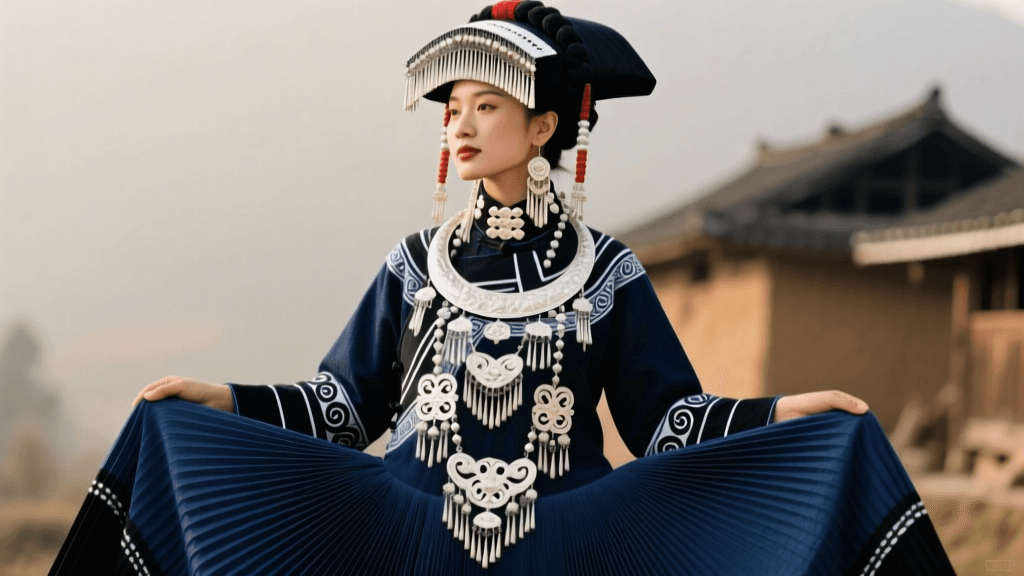
The Evolution of Hanfu Commerce: Ancient Markets to E-Commerce
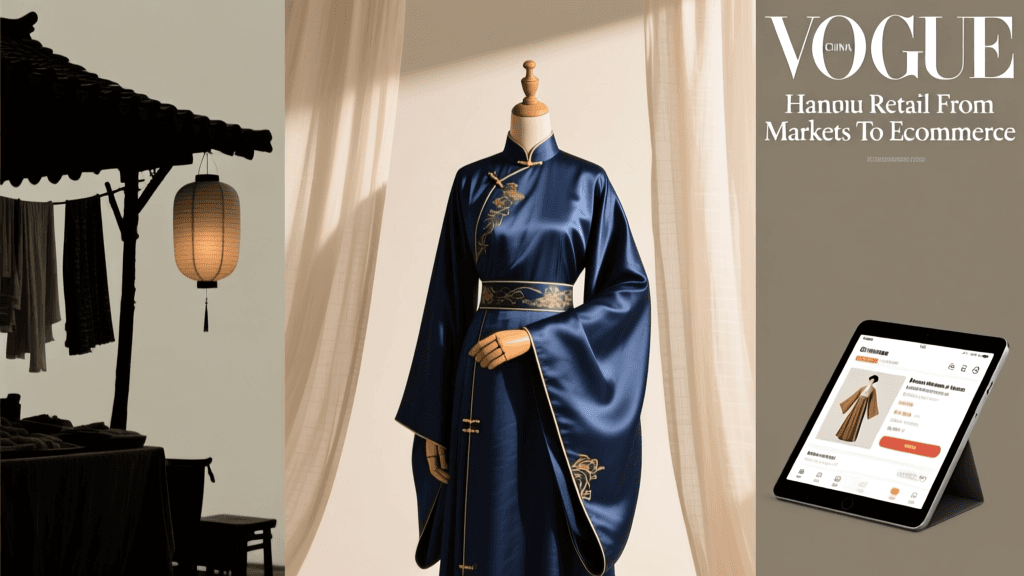
The Historical Silk Road: Commerce in Ancient China
Long before the advent of digital storefronts and global shipping networks, the acquisition of traditional Chinese garments was a deeply localized, tactile, and often lengthy process. During the Tang (618–907 CE) and Song (960–1279 CE) dynasties, the bustling markets of Chang'an (modern-day Xi'an) and Hangzhou served as the epicenters of textile commerce. The West Market of Chang'an, renowned as a cosmopolitan hub on the Silk Road, was where merchants from Central Asia, Persia, and across China converged to trade raw silk, dyed yarns, and finished garments.
Unlike today's fast-fashion model, purchasing clothing in ancient China was an investment in bespoke craftsmanship. Consumers did not buy 'off-the-rack.' Instead, the process was fragmented: a buyer would first visit a silk merchant to select raw or woven fabric, then consult a dyer for specific colors, and finally take the textiles to a tailor for cutting and stitching. According to the Metropolitan Museum of Art's historical archives on Chinese silk, the production of these luxury textiles was heavily regulated by the state, with the finest brocades and damasks reserved for the imperial court, while commoners relied on locally woven hemp, ramie, and lower-grade silks.
The Intangible Heritage of Silk Craftsmanship
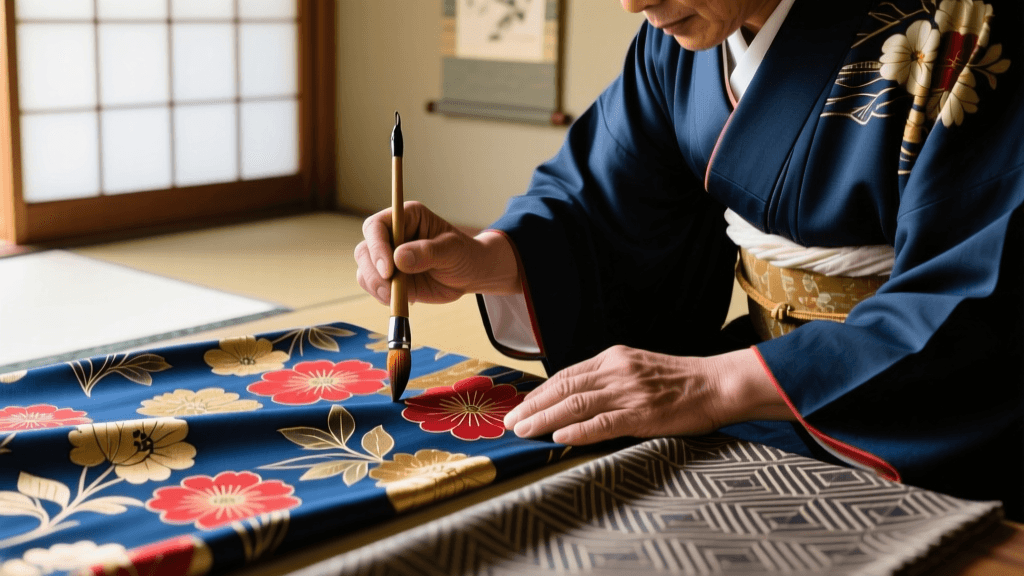
The foundation of historical Chinese garment commerce was the unparalleled quality of its textiles. The creation of silk was not merely an industry; it was a closely guarded state secret and a profound cultural practice. The entire lifecycle of silk production—from mulberry cultivation to the weaving of intricate patterns—required immense skill passed down through generations.
Today, this historical legacy is recognized globally. The UNESCO Intangible Cultural Heritage list highlights Chinese sericulture and silk craftsmanship as a vital cultural tradition. Understanding this heritage is crucial for modern Hanfu enthusiasts, as the most prestigious contemporary e-commerce brands still utilize traditional jacquard looms and natural dyeing techniques to replicate historical garments, bridging the gap between ancient artisan markets and modern digital retail.
The Digital Revolution: Taobao and the Hanfu Revival
The transition from physical markets to e-commerce fundamentally democratized access to traditional Chinese clothing. When the modern Hanfu revival movement began in the early 2000s, enthusiasts relied on niche internet forums to share DIY patterns and organize small-batch group buys (tuan gou). However, the explosion of China's e-commerce giants, particularly Alibaba's Taobao, transformed Hanfu from a fringe hobby into a multi-billion-dollar retail sector.
Today, platforms like Taobao, JD.com, and Xiaohongshu (RED) host thousands of specialized Hanfu brands. The modern supply chain has condensed the ancient, multi-step purchasing process into a seamless digital experience. Consumers can now browse 3D renders, watch live-streamed fabric draping tests on Douyin (TikTok), and order historically accurate garments directly from factories in Hangzhou and Guangzhou. This digital shift has also given rise to 'Hanfu experience' shops, where e-commerce brands open physical flagship stores for tourists to rent and photograph garments, merging online discovery with offline engagement.
Practical Guide: Buying Authentic Hanfu Online Today
For global enthusiasts and cultural historians, navigating the Chinese e-commerce landscape can be daunting. The market is flooded with both meticulously researched historical reproductions and cheap, inaccurate 'costume' wear. Below is a structured guide to help you identify, price, and select authentic Hanfu online.
| Hanfu Style | Historical Era | Avg. E-Commerce Price (USD) | Best Fabric Choice | Primary Use Case |
|---|---|---|---|---|
| Ruqun (襦裙) | Tang / Song | $40 - $80 | Cotton/Linen Blend | Daily Wear, Summer |
| Aoqun (袄裙) | Ming | $70 - $150 | Brocade / Jacquard | Winter, Formal Events |
| Beizi (褙子) | Song | $30 - $60 | Silk / Chiffon | Layering, Spring/Autumn |
| Shenyi (深衣) | Han | $80 - $200 | Heavy Linen / Silk | Ceremonies, Rites |
Mastering the Search Terms and Sizing System
To avoid low-quality theatrical costumes, avoid searching for '古装' (Guzhuang - ancient costume). Instead, use the term '正统汉服' (Orthodox Hanfu) or '汉服正品' (Authentic Hanfu) on Taobao. Reputable brands like Shisanyu (十三余), Zhongling (钟灵记), and Minghuatang (明华堂 - for high-end Ming dynasty reproductions) dominate the search results.
Sizing in Chinese e-commerce differs significantly from Western standards. Hanfu is traditionally measured by 'flat lay width' (平铺 - Pingpu) rather than body circumference.
- How to Measure: Lay a well-fitting shirt flat on a table and measure from armpit to armpit. Multiply this number by two to get your chest circumference.
- The Ease Rule: Hanfu requires 'ease' for proper draping. Add 4 to 8 cm to your actual chest circumference before matching it to the seller's flat-lay chart.
- Length: Skirts (Qun) are usually sold by total length (e.g., 105cm, 115cm). Measure from your natural waist to your ankle bone to ensure the skirt does not drag on the floor, which is considered improper in traditional etiquette.
Strategic Timing and Costs
The Hanfu market operates on a pre-sale (预售) model. Because authentic garments feature complex embroidery and woven jacquard patterns, brands often open pre-orders to fund production.
Pro-Tip: Expect to wait 30 to 60 days for pre-order items to ship. If you need a garment quickly, filter your Taobao search by '现货' (Xianhuo - In Stock).
To maximize your budget, time your purchases around China's major e-commerce festivals. The 6.18 Festival (June 18th) and Singles Day (11.11) offer the steepest discounts, often featuring cross-store coupons (e.g., 50 RMB off every 300 RMB spent). During these periods, a mid-tier Ming dynasty Aoqun set that normally costs 800 RMB ($115) can drop to under 500 RMB ($70).
Navigating Global Shipping and Agents
For international buyers outside of mainland China, direct shipping from Taobao can be expensive and limited by customs restrictions on certain textiles. The most actionable and cost-effective method is to use a Shopping Agent (such as Superbuy, CSSBuy, or Sugargoo).
- Paste the Link: Copy the Taobao product URL and paste it into the agent's search bar.
- Quality Check (QC): Once the item arrives at the agent's domestic warehouse, they will upload high-resolution QC photos. Check the embroidery density, seam alignment, and fabric sheen before approving international shipping.
- Consolidated Shipping: Use the agent to combine multiple orders into one parcel. For heavy winter Hanfu (like brocade Aoqun), opt for Sea Packet or EMS to avoid exorbitant air freight volumetric weight charges. For lightweight summer Ruqun, SAL or E-UBI is highly economical.
Conclusion
The journey of Chinese garment commerce is a testament to the enduring appeal of traditional aesthetics. From the vibrant, fragmented silk markets of ancient Chang'an to the hyper-efficient, algorithm-driven storefronts of modern Taobao, the desire to wear one's cultural heritage has never faded. By understanding the historical roots of textile craftsmanship and mastering the nuances of modern e-commerce, today's global consumers can authentically participate in the living history of Hanfu, ensuring these ancient silhouettes continue to grace the modern world.