Guide to Hanfu Conventions, Festivals, and Community Meetups
The Rise of the Global Hanfu Community
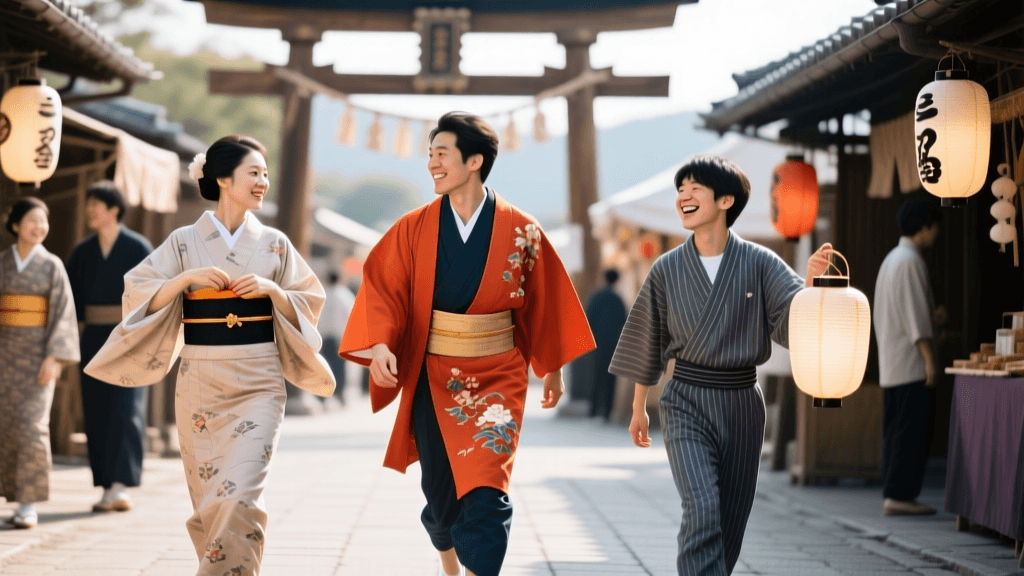
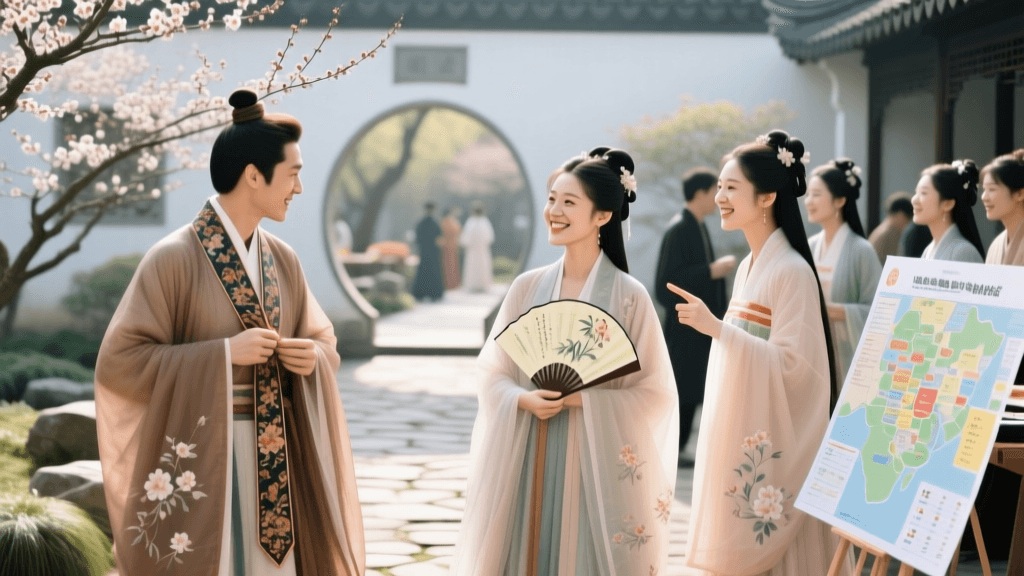
Over the past decade, the Hanfu movement has transformed from a niche online interest into a vibrant, real-world cultural phenomenon. What began on early internet forums has blossomed into massive offline gatherings, where thousands of enthusiasts don traditional Chinese clothing to celebrate history, art, and community. According to BBC News, this revival is largely driven by a younger generation seeking to reconnect with their cultural heritage, turning city streets, historical sites, and dedicated convention centers into living museums.
For newcomers and seasoned wearers alike, attending a Hanfu convention or local meetup is a rite of passage. These events offer a unique opportunity to admire rare textile weaves, learn historical styling techniques, and connect with a global network of artisans and historians. However, navigating the logistics of these massive gatherings—from securing tickets to packing fragile silk accessories—requires careful planning and a deep understanding of community norms.
Major Hanfu Festivals and Conventions
The pinnacle of the Hanfu event calendar is the Xitang Hanfu Culture Week. Held annually in late October or early November in the historic Xitang Water Town in Zhejiang Province, this mega-event draws over 100,000 attendees. As documented by China Daily, the festival features grand parades, traditional archery competitions, night markets, and academic forums on historical dress.
Another major event is the Hua Zhao Festival (Flower Festival), celebrated in various cities across China during the spring (March and April). Unlike the massive scale of Xitang, Hua Zhao events are often decentralized, focusing on floral appreciation, tea ceremonies, and outdoor photography in botanical gardens. For the international diaspora, cities with prominent Chinatowns—such as New York, London, and Sydney—host localized Hanfu parades, particularly around the Lunar New Year and Mid-Autumn Festival, bridging cultural heritage with modern urban environments.
Domestic vs. International Meetups: A Comparison
Whether you are traveling to China for a mega-festival or attending a local park meetup in the West, the experience varies significantly. Below is a comparison to help you set expectations.
| Feature | Domestic Festivals (China) | International Meetups (Global Diaspora) |
|---|---|---|
| Scale | Massive (10,000 to 100,000+ attendees) | Intimate to Medium (50 to 500 attendees) |
| Venue | Ancient towns, historical palaces, dedicated expo centers | Public parks, university campuses, cultural centers |
| Primary Activities | Parades, vendor markets, stage performances, archery | Group photoshoots, picnics, cultural workshops |
| Vendor Access | Direct access to independent designers and tailors | Limited; mostly online pre-orders or second-hand swaps |
| Atmosphere | Immersive, highly stylized, tourist-friendly | Community-focused, educational, casual |
Practical Guide: Preparing for Your First Convention
Attending a Hanfu convention is physically demanding. You will be walking on cobblestones, navigating dense crowds, and managing complex layers of clothing. Choosing the right historical era and garment style is critical for your comfort.
Choosing Your Era and Garment
- Tang Dynasty (618–907 AD): Characterized by the Qixiong Ruqun (chest-high skirt) and vibrant, sweeping silhouettes. While stunning for summer festivals, the chest-ties can slip during long parades. Pro Tip: Use double-sided fashion tape and hidden modern suspenders to keep the skirt secure.
- Song Dynasty (960–1279 AD): Known for minimalist elegance, featuring the Beizi (long outer jacket) and pleated skirts. Lightweight and breathable, Song-style Hanfu is the most practical choice for outdoor spring meetups and tea ceremonies.
- Ming Dynasty (1368–1644 AD): Famous for the Mamianqun (horse-face skirt) and Pifeng (cloaks). Ming garments are heavily structured and often made from thick brocades. A fully layered Ming outfit can weigh up to 2.5 kg (5.5 lbs). Reserve these for autumn/winter conventions like Xitang, and ensure you wear supportive, cushioned footwear.
Budgeting and Costs
Budgeting for a Hanfu convention requires accounting for both the garments and the ancillary services that complete the historical illusion. Below is an estimated cost breakdown for a weekend domestic convention in China (prices in RMB and approximate USD).
| Expense Category | Budget Option | Premium Option |
|---|---|---|
| Event Entry Ticket | Free (Public Parks) / 95 RMB ($13) | 150 RMB ($21) VIP Access |
| Hanfu Rental (Weekend) | 150 RMB ($21) | 500+ RMB ($70+) |
| Professional Hair & Makeup | 150 RMB ($21) Basic Styling | 400 RMB ($55) Cinematic Styling |
| Accessories (Hairpins, Fans) | 50 RMB ($7) Market Stalls | 300+ RMB ($42+) Artisan Metals |
| Photography (1 Hour) | Free (Peer trading) | 800 RMB ($110) Pro Photographer |
Navigating Event Etiquette and Photography
The Hanfu community is deeply passionate, which occasionally leads to friction regarding historical accuracy. The community is broadly divided into historical reconstructionists, who strictly adhere to excavated textile data and period-accurate tailoring, and modern adaptors, who embrace Xianxia (fantasy/immortal) aesthetics with sheer fabrics and anachronistic elements.
"When attending a convention, always check the event's specific theme. Some forums strictly prohibit fantasy-style 'Xianxia' garments or modern anime crossovers to maintain the historical integrity of the space, while others celebrate the fusion of traditional and modern pop culture."
Photography Etiquette: Hanfu conventions are a photographer's paradise, but consent is paramount. Never touch a wearer's garments, hairpieces, or props to 'adjust' them for a photo. The intricate Buyao (dangling hairpins) and delicate silk weaves can be easily damaged. Always ask for permission before taking close-up portraits, and if a wearer declines or turns away, respect their boundary immediately.
The Ultimate Convention Packing Checklist
To survive a 10-hour convention day, your packing list must go beyond the garments themselves. Pack a dedicated 'Hanfu Survival Kit' containing the following actionable essentials:
- Portable Handheld Steamer: Travel-friendly models (under 1kg) are essential. Brocade and silk wrinkle easily in transit, and a quick steam in the hotel room elevates the garment's drape.
- Lint Roller and Static Guard: Long, flowing skirts drag across dusty ancient town streets. A lint roller is mandatory for maintaining pristine hems.
- Bobby Pins and U-Pins (Minimum 20): Traditional hairstyles rely heavily on structural pins to support heavy wigs and metallic Zanzi (hairpins).
- Double-Sided Fashion Tape: Crucial for securing Tang dynasty chest-high skirts and Ming dynasty collars against shifting during movement.
- Foldable Sitting Mat: Many historical venues lack modern seating. A waterproof, foldable mat allows you to sit on stone steps or grass without soiling your skirts.
- Modern Comfort Footwear: While Yuntou (cloud-toe shoes) are visually accurate, a pair of black or neutral-toned modern sneakers with thick arch support will save your feet. The voluminous skirts of the Ming and Tang dynasties easily conceal modern footwear.
Conclusion: Finding Your Place in the Movement
Hanfu conventions and meetups are more than just costume events; they are active, community-driven reclamation of cultural identity. Whether you are carefully pleating a Ming dynasty skirt for a grand parade in Xitang, or sharing tea in a Song dynasty Beizi with friends in a London park, the key to a successful experience lies in preparation, respect for the craft, and an open mind. By understanding the logistical demands of these gatherings and engaging respectfully with the community's diverse perspectives, you can fully immerse yourself in the living, breathing tapestry of Asian traditional fashion.