Top Japanese Sashiko & Boro Luxury Collaborations 2026
The Evolution of Heritage: From Rural Necessity to Global Luxury
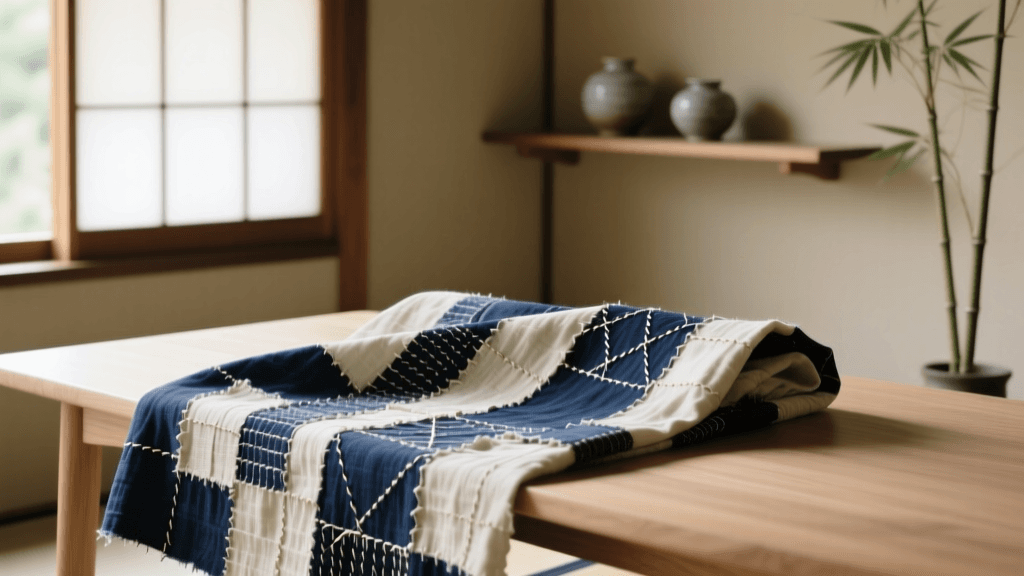
In the landscape of 2026 global fashion, the intersection of traditional Japanese craftsmanship and international luxury design has reached an unprecedented zenith. No longer satisfied with mere aesthetic appropriation, the world’s leading fashion houses are now engaging in deep, equitable co-creation with Japanese artisans. At the forefront of this movement are sashiko (functional running stitch embroidery) and boro (patchwork mending), two textile traditions born from the rural necessity of the Edo period that have now become the ultimate markers of sustainable luxury.
Historically, sashiko was used by Japanese farmers and fishermen to reinforce points of wear on hemp and cotton garments, while boro emerged from the practice of patching together scraps of indigo-dyed fabric to extend the life of textiles. Today, these techniques represent a profound philosophical counter-movement to fast fashion. According to the Kyoto Costume Institute, the global demand for heritage-backed, artisan-crafted garments has surged, driven by a consumer base that values transparency, longevity, and cultural narrative over mass-produced logos.
Major 2026 International Collaborations
The 2026 fashion calendar is defined by collaborations that prioritize the preservation of Japanese artisan communities. International brands are establishing permanent ateliers in regions like Aomori, Okayama, and Kyoto, ensuring that the economic benefits of these luxury capsules flow directly back to the craftspeople.
Loewe and the Kyoto Artisan Collective
Under the creative direction of Jonathan Anderson, Loewe has long been a champion of global craft, a commitment formalized through the Loewe Foundation Craft Prize. In 2026, Loewe unveiled its most ambitious Japanese collaboration to date: a capsule collection merging Spanish leatherworking with Kyoto-based sashiko and boro masters. The collection features the iconic Puzzle bag reimagined with hand-stitched sashiko patterns on indigo-dyed calfskin. Each bag requires over 40 hours of hand-stitching by artisans from the Aomori Sashiko Cooperative, utilizing traditional sashiko-it (twisted cotton thread) that contrasts beautifully against the luxury leather.
Dior Men’s Integration of Yuzen and Sashiko
Kim Jones’ ongoing fascination with Japanese culture continues to evolve in Dior Men’s 2026 Resort Collection. Moving beyond previous floral motifs, this year's collaboration focuses on the structural integrity of boro and the intricate detailing of sashiko. The collection features tailored overcoats constructed from upcycled vintage Japanese futon covers and hemp workwear, meticulously restored and reinforced with modern sashiko stitching. By partnering with multi-generational dyeing families in Tokushima, Dior has created a line of garments where the natural aizome (indigo) dye continues to evolve and fade uniquely with the wearer, ensuring no two coats are identical.
Kapital’s Global Streetwear Synergies
While not a traditional European luxury house, Japanese brand Kapital has become the vital bridge between heritage textiles and global streetwear. In 2026, Kapital’s highly anticipated collaboration with international skate and streetwear giants has introduced a new generation to the concept of boroboro (beautifully worn and patched). These limited-edition denim jackets and trousers feature authentic boro patchwork sourced from vintage textiles over a century old, priced at a premium but celebrated for their unparalleled authenticity and historical weight.
2026 Collaboration Comparison Chart
To help collectors and enthusiasts navigate the current market, below is a structured comparison of the most significant Japanese heritage collaborations available in 2026.
| Brand / Collaboration | Primary Technique | Artisan Partner Region | Price Range (USD) | Availability |
|---|---|---|---|---|
| Loewe x Kyoto Collective | Sashiko on Leather | Aomori / Kyoto | $3,500 - $5,200 | Global Boutiques |
| Dior Men x Tokushima | Boro & Aizome Dyeing | Tokushima | $4,800 - $8,500 | Select Flagships |
| Kapital x Global Street | Vintage Boro Patchwork | Kurashiki / Okayama | $1,200 - $2,800 | Online & Tier 1 Cities |
| Visvim x Heritage Looms | Sashiko & Kasuri Weaving | Fukuoka / Kurume | $2,500 - $4,000 | F.I.L. Stores |
How to Authenticate Hand-Stitched Sashiko and Boro
As the prestige of Japanese heritage textiles has grown, so too has the market for machine-embroidered imitations. For collectors investing in 2026 luxury collaborations, distinguishing between authentic hand-stitched sashiko and computerized replication is essential. The Victoria and Albert Museum’s extensive archives on Japanese fashion highlight the inherent irregularities of human craftsmanship as a primary marker of authenticity.
- Stitch Tension and Irregularity: Authentic sashiko relies on the unshin (rhythm) of the artisan's hand. While master stitchers are incredibly consistent, microscopic variations in stitch length (typically between 3mm and 5mm) and thread tension will be visible upon close inspection. Machine embroidery is perfectly uniform.
- The Reverse Side: Turn the garment inside out. Hand-stitched sashiko will show a clean, continuous running stitch on the reverse side, with threads carried neatly between motifs. Machine embroidery often leaves a chaotic web of bobbin threads and jump stitches on the back.
- Thread Composition: Genuine 2026 collaborations utilize matte, tightly twisted sashiko-it cotton thread. Imitations frequently use rayon or polyester threads that possess an artificial, synthetic sheen.
- Fabric Patina: True boro collaborations utilize vintage, naturally dyed indigo fabrics. Authentic vintage indigo will have a distinct, slightly dusty aroma and will show uneven fading (known as tate-ochi) where the warp threads have worn down over decades. Printed replicas lack this depth and tactile history.
Preservation and Care for Hybrid Heritage Garments
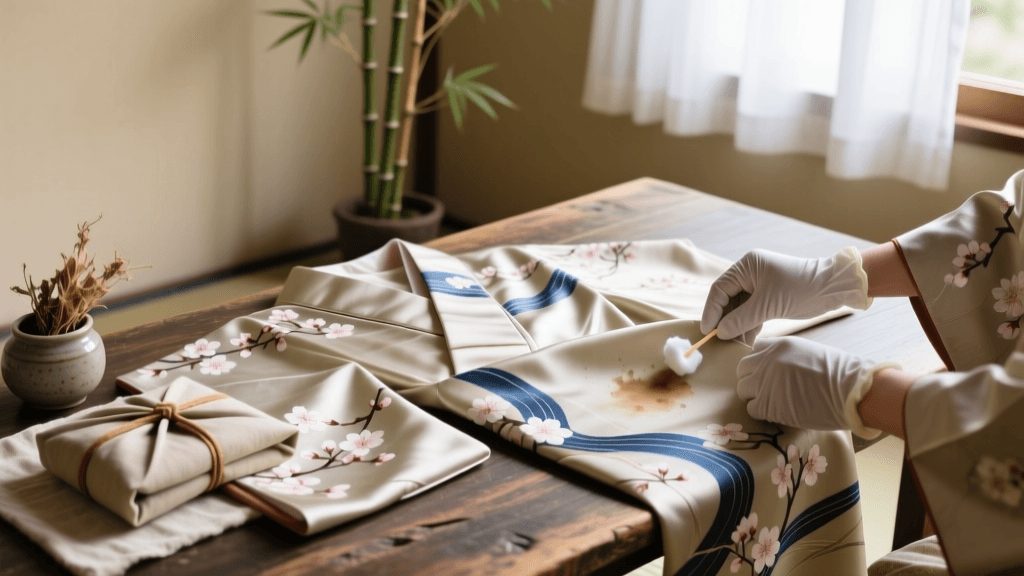
Investing in a luxury sashiko or boro garment requires a paradigm shift in how you approach clothing maintenance. These pieces are not meant to be dry-cleaned with harsh chemicals; they require mindful preservation to maintain both the structural integrity of the antique textiles and the vibrancy of the natural dyes.
Washing and Hydration
Never machine wash a boro or sashiko luxury garment. The agitation can cause the antique cotton scraps to fray further, and modern detergents will strip the natural indigo dye. Instead, use a cold-water soak (maximum 15°C or 59°F) with a pH-neutral, enzyme-free detergent specifically formulated for natural dyes. Submerge the garment for no longer than 10 minutes, gently agitate by hand, and rinse thoroughly with cold water. Roll the garment in a clean, dry towel to press out excess moisture—never wring or twist the fabric, as this can snap the sashiko threads.
Drying and Storage
Dry the garment flat on a mesh drying rack away from direct sunlight, which will rapidly degrade the indigo and brittle the vintage cotton fibers. When storing, avoid wire hangers which can distort the heavy, layered shoulders of a boro coat. Use wide, padded wooden hangers. For long-term storage, wrap the garment in unbleached, acid-free muslin cloth. Never store heritage textiles in plastic garment bags, as trapped moisture and off-gassing plastics can lead to mold and fiber degradation.
The Future of Equitable Craft Partnerships
The 2026 landscape of Japanese fashion in international design collaborations represents a maturing of the global luxury industry. The narrative has successfully shifted from exoticism to deep respect and economic partnership. By integrating traditional sashiko and boro techniques into their highest-tier offerings, international brands are not only creating breathtaking, one-of-a-kind garments but are also actively funding the survival of rural Japanese artisan communities. As we look toward the future of fashion, it is clear that the most innovative designs are those that look backward, honoring the meticulous, time-intensive handcraft that has sustained Japanese textile culture for centuries.