Xin Zhongshi 2026: Xiangyunsha & Mamianqun Wardrobe Guide
The Evolution of Xin Zhongshi in 2026
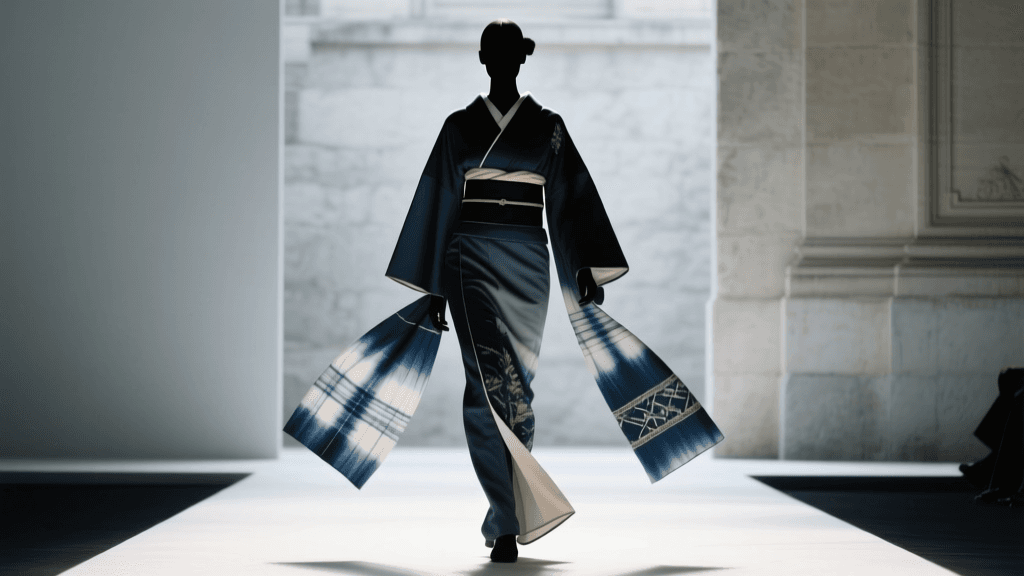
The Xin Zhongshi (新中式), or 'New Chinese Style', movement has definitively transitioned from a niche cultural revival into a dominant force in global contemporary fashion. As we navigate 2026, this aesthetic is no longer defined by the overt, costume-like reproductions of the past decade. Instead, the modern iteration champions 'quiet luxury' with a distinctly Eastern philosophy—focusing on heritage textiles, structural subtlety, and everyday wearability. According to recent consumer insights on hyper-local cultural identity and sustainable luxury outlined in the McKinsey State of Fashion reports, modern consumers are increasingly investing in garments that offer both deep cultural storytelling and uncompromising daily functionality.
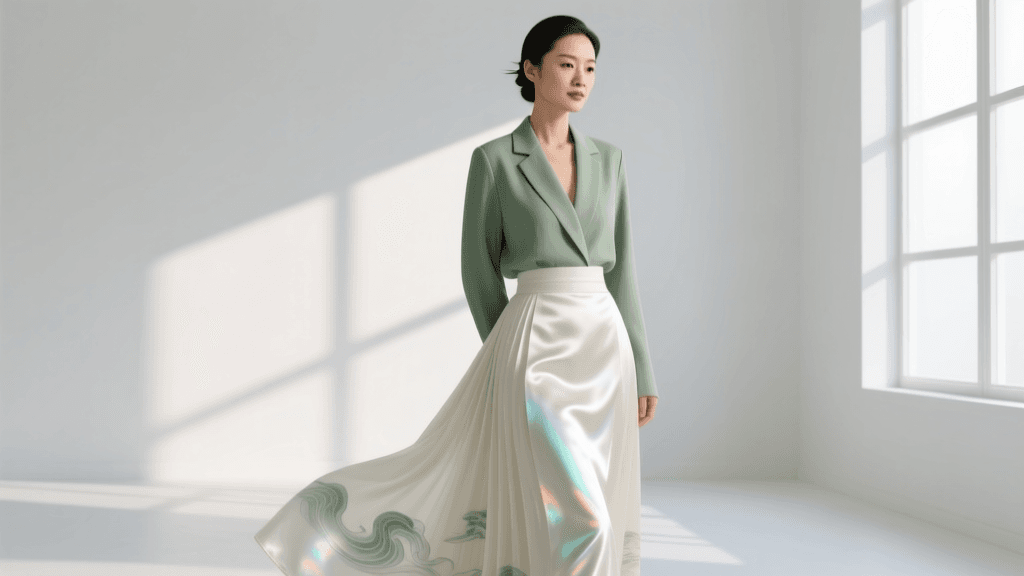
For the discerning wardrobe curator, building a Xin Zhongshi capsule in 2026 means mastering the interplay between ancient weaving techniques and modern silhouettes. It is about pairing a centuries-old Xiangyunsha (mud silk) trench coat with a minimalist organic cotton tee, or styling a modernized Mamianqun (horse-face skirt) with a structured, oversized blazer. This guide provides a comprehensive deep dive into the fabrics, garments, and maintenance routines required to master the New Chinese Style this year.
The 2026 Xin Zhongshi Capsule Wardrobe
A true capsule wardrobe relies on versatility. The table below outlines the five foundational pieces of a 2026 Xin Zhongshi wardrobe, balancing traditional craftsmanship with contemporary pricing and care requirements.
| Garment | Traditional Element | 2026 Modern Twist | Est. Price (USD) | Care Routine |
|---|---|---|---|---|
| Xiangyunsha Trench | Gambiered Canton Gauze | Belted, relaxed drop-shoulder fit | $450 - $1,200 | Spot clean, shade dry |
| Daily Mamianqun | Horse-face pleated skirt | Tencel-silk blend, heat-set pleats | $120 - $280 | Gentle machine wash, hang |
| Pankou Cardigan | Frog knot fasteners | Cashmere blend, hidden magnetic closures | $180 - $350 | Dry clean only |
| Song Brocade Blazer | Suzhou Song brocade | Matte finish, unstructured lapels | $300 - $600 | Professional textile care |
| Bamboo-Linen Trousers | Traditional hemp weaving | Wide-leg, elasticated back waist | $80 - $150 | Machine wash cold |
Deep Dive: Xiangyunsha (Mud Silk) Outerwear
Xiangyunsha, often translated as 'fragrant cloud silk' or 'mud silk', is arguably the most prized textile in the 2026 Xin Zhongshi wardrobe. Originating from the Pearl River Delta, this fabric is the result of a painstaking, zero-waste dyeing process that has been recognized as an intangible cultural heritage. The silk is repeatedly dyed in the juice of the Dioscorea cirrhosa (a wild yam) and then coated in the iron-rich mud of local riverbeds. The chemical reaction between the tannins in the yam juice and the iron in the mud creates a unique, dual-toned fabric: a rich, earthy brown on one side and a glossy, deep black on the other.
In 2026, sustainable Xiangyunsha producers have introduced stricter ecological safeguards to protect the riverbeds, resulting in a slightly higher market price but guaranteeing an authentic, environmentally responsible product. The fabric is highly valued for its natural cooling properties, antibacterial resistance, and its ability to repel moisture. When styling a Xiangyunsha trench or bomber jacket, allow the garment to speak for itself. The fabric produces a distinct, crisp 'crackle' sound when it moves—a hallmark of authenticity that synthetic imitations cannot replicate. Pair it with monochromatic, muted tones like slate grey, ivory, or charcoal to let the deep, lacquered sheen of the silk stand out.
Deep Dive: The Modernized Mamianqun
The Mamianqun, or 'horse-face skirt', dates back to the Song and Ming dynasties. Historically characterized by its flat front and back panels (guangmian) and heavily pleated sides, it was designed to allow ease of movement for horseback riding while maintaining a dignified, structured drape. As documented by the Victoria and Albert Museum in their extensive archives on Chinese dress, the structural ingenuity of traditional Chinese wrap skirts has long influenced global garment construction.
The 2026 iteration of the Mamianqun is designed for the modern commuter. While heritage brands still produce heavy, pure-silk versions for formal occasions, the everyday capsule relies on Tencel-silk or high-grade cupro blends. These modern textiles offer the same lustrous drape but are significantly lighter and resistant to wrinkling. Furthermore, 2026 manufacturing utilizes advanced heat-setting techniques to ensure the knife pleats remain razor-sharp even after gentle washing. To style the Mamianqun for a contemporary look, avoid traditional matching suit jackets. Instead, tuck a fine-gauge merino wool turtleneck or a crisp, oversized poplin button-down into the high waistband, finishing the look with minimalist leather loafers or sleek ankle boots.
Subtle Nods: Pankou Knots and Song Brocade
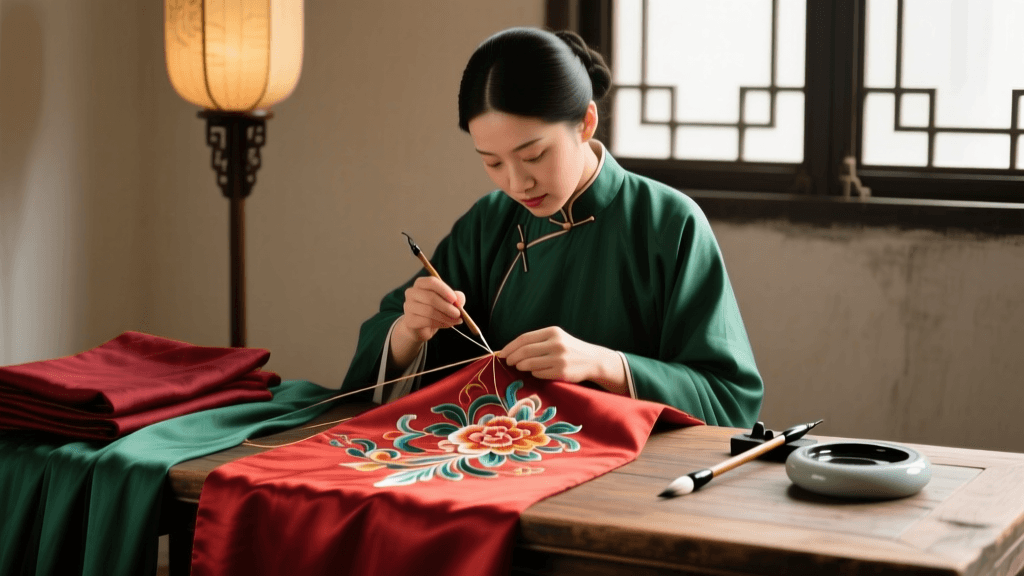
While Xiangyunsha and Mamianqun form the structural foundation of the wardrobe, the Xin Zhongshi aesthetic relies on subtle hardware and textile accents to complete the look. The Pankou (frog fastener) is a traditional knotted button used to secure garments. In 2026, designers are moving away from overly ornate, floral Pankou designs, favoring minimalist, geometric knots crafted from the same yarn as the garment. You will frequently find these integrated into luxurious cashmere cardigans, where the traditional knot is backed by a hidden magnetic clasp for modern convenience.
Song Brocade, one of the three famous brocades of China, is traditionally known for its vibrant, complex patterns and heavy weight. However, the 2026 New Chinese Style favors 'matte' or 'shadow' brocades. These fabrics feature tone-on-tone weaving, where the intricate motifs of clouds, bamboo, or water ripples are only visible when the light catches the fabric at specific angles. A Song brocade blazer with unstructured, relaxed lapels offers a brilliant alternative to the standard wool suit jacket, providing a touch of Eastern elegance to professional environments without appearing theatrical.
Sourcing and Authenticity in 2026
As the popularity of Xin Zhongshi has surged globally, the market has seen an influx of mass-produced imitations. Knowing how to authenticate heritage fabrics is crucial for the modern collector.
- The Xiangyunsha Crackle Test: Genuine mud silk is stiff when new and produces a distinct rustling or cracking sound when rubbed between the fingers. It should also have a slightly earthy, herbal scent from the yam dye, which fades over time but never smells like synthetic chemicals.
- The Brocade Weight Test: Authentic Song brocade, even in its modernized matte forms, possesses a dense, heavy hand-feel due to the complex multi-layered warp and weft weaving. If a brocade blazer feels as light as standard polyester, it is likely a printed imitation rather than a woven jacquard.
- Pankou Craftsmanship: Hand-knotted Pankou should feel firm and dense. The core of the knot is often wrapped tightly with cotton or wire to maintain its shape. Mass-produced versions are frequently glued or loosely stitched, losing their structural integrity after a few wears.
Maintenance and Storage for Heritage Blends
Investing in a Xin Zhongshi capsule wardrobe requires a commitment to specialized garment care. The natural dyes and delicate weaves of 2026's heritage textiles are sensitive to modern laundry habits.
For Xiangyunsha garments, never use alkaline detergents or standard laundry soaps, as they will strip the tannin-mud bond and ruin the fabric's water-resistant properties. Use a pH-neutral, specialized silk wash if absolutely necessary, but spot cleaning with a damp cloth is preferred. Always dry Xiangyunsha in the shade; direct sunlight will cause the natural yam dye to oxidize and fade unevenly.
When storing your Mamianqun skirts, avoid folding them in a way that crushes the side pleats. The best practice is to hang them using skirt hangers with wide, padded clips attached to the flat front panels. For Song brocade blazers, store them in breathable cotton garment bags with natural cedar blocks to deter moths, avoiding chemical mothballs which can react with the metallic threads often used in brocade weaving.
Conclusion
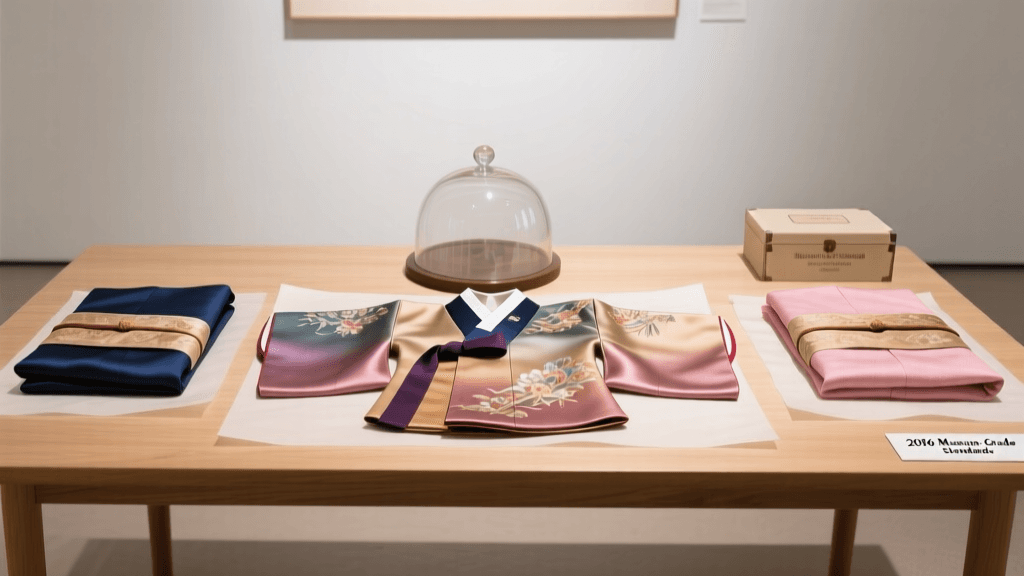
The Xin Zhongshi movement of 2026 is a masterclass in cultural continuity. It proves that traditional Asian garments are not relics to be kept behind glass, but living, breathing textiles that can seamlessly integrate into the modern global wardrobe. By investing in authentic Xiangyunsha outerwear, structurally sound Mamianqun skirts, and thoughtfully designed Pankou knitwear, you are not just adopting a fashion trend—you are participating in the ongoing evolution of one of the world's richest sartorial histories.