Preserving Vintage Silk Kimonos & Hanboks: 2026 Guide
The Evolution of Asian Silk Preservation in 2026
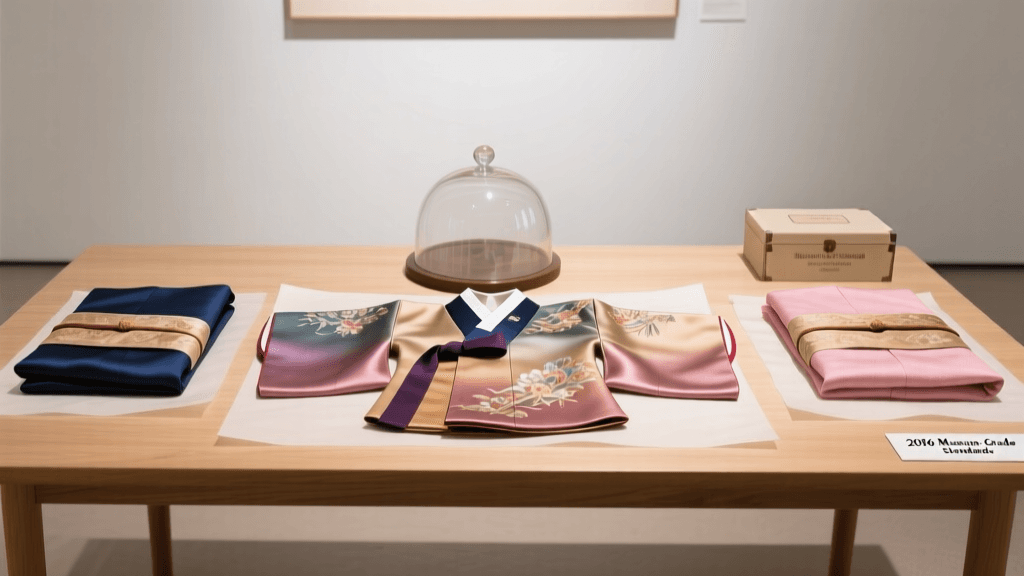
Traditional Asian garments, particularly vintage silk kimonos from Japan and intricately embroidered hanboks from Korea, represent profound cultural heritage and significant financial investment. As we navigate through 2026, the field of textile conservation has seen a definitive shift toward eco-friendly, non-toxic, and highly monitored preservation techniques. The days of relying on harsh chemical mothballs and unregulated attic storage are long gone. Today, private collectors and heritage enthusiasts have access to museum-grade preservation strategies that were once exclusive to institutional archives.
Silk is a delicate protein fiber composed primarily of fibroin and sericin. Unlike plant-based cellulose fibers such as cotton or linen, silk is highly susceptible to alkaline degradation, photo-oxidation from UV light, and structural weakening from fluctuating humidity. According to the Victoria and Albert Museum's conservation guidelines, improper storage can lead to irreversible shattering of vintage silk within a single decade. This comprehensive 2026 guide outlines the exact protocols for archiving, stain mitigation, and long-term storage of your most prized Asian garments.
Understanding Silk Protein Degradation
Before applying any preservation technique, it is vital to understand the biological nature of silk. Because it is a protein, silk is inherently acidic. Storing silk in alkaline environments or using buffered archival papers (which are treated with calcium carbonate to neutralize acids) will actually accelerate the breakdown of the fibroin chains over time. In 2026, the absolute consensus among textile conservators is that vintage silk must only come into contact with unbuffered, pH-neutral materials.
Furthermore, the metallic threads often found in ceremonial hanboks and formal kimonos (such as kinran or ginran) are highly reactive to sulfur and atmospheric pollutants. This makes the selection of an outer storage enclosure just as critical as the inner wrapping materials. Modern archival practices prioritize creating a microclimate that isolates the garment from ambient air pollutants while allowing the fiber to breathe.
Climate Control: The 2026 Baseline
Temperature and relative humidity (RH) are the twin pillars of textile preservation. In 2026, affordable smart-sensor networks allow collectors to monitor their storage environments in real-time via smartphone applications, ensuring that micro-fluctuations are caught before they cause damage.
- Temperature: Maintain a stable environment between 65°F and 68°F (18°C - 20°C). Heat accelerates chemical degradation and dries out the sericin coating on the silk.
- Relative Humidity: Keep RH strictly between 45% and 55%. Humidity above 60% invites mold spores and metallic thread tarnishing, while humidity below 40% causes the silk fibers to become brittle and snap along fold lines.
- Light Exposure: UV and visible light cause irreversible photo-oxidation. Garments should be stored in total darkness. When displaying, limit lux levels to 50 or below, a standard easily measured by 2026 digital lux meters.
Archival Storage Materials: 2026 Comparison
Selecting the right materials is critical. The Canadian Conservation Institute emphasizes the use of chemically inert plastics and unbuffered papers for protein fibers. Below is a comparison of the most effective storage materials available on the market in 2026.
| Material | Primary Purpose | 2026 Estimated Cost | Pros | Cons |
|---|---|---|---|---|
| Unbuffered Acid-Free Tissue | Interleaving folds | $28 per 100 sheets | Prevents crease stress; pH neutral for proteins | Requires replacement every 3-5 years |
| Washed Unbleached Muslin | Dust cover / wrapping | $22 per yard | Breathable; washable; culturally traditional | Must be pre-washed to remove chemical sizing |
| Archival Coroplast Boxes | Outer enclosure | $75 - $140 per box | Rigid; pest-resistant; chemically inert | Bulky; requires dedicated shelf space |
| Paulownia Wood (Kiri-tansu) | Traditional cabinetry | $900 - $3,000+ | Natural humidity regulation; culturally authentic | Expensive; requires seasonal airing |
Stain Mitigation: The Modern Protocol
One of the most common mistakes collectors make is attempting to wash vintage silk or using modern liquid stain removers. Water can cause permanent water-rings on vintage silk, and modern detergents often contain enzymes and optical brighteners that destroy protein fibers. In 2026, the approach to stain mitigation is strictly conservative and localized.
Dry Spot Cleaning
For surface dust and dry particulate matter, conservators use specialized vulcanized rubber sponges (often called 'soot sponges'). These sponges lift dirt from the silk weave without the use of moisture. Gently dab—never rub—the affected area. For localized, water-based historical stains, a micro-aspiration technique using a localized conservation vacuum and a fine mesh screen is preferred to prevent the stain from wicking deeper into the fabric.
Dealing with Metallic Tarnish
Never attempt to polish the metallic threads on a hanbok or kimono. The gold and silver leaf applied to lacquered paper or silk substrates is microscopic. Polishing will strip the metal entirely. Instead, mitigate tarnish by storing the garment with activated charcoal sachets or specialized silver-tarnish-inhibiting strips, ensuring these strips do not make direct contact with the textile.
Pest Management: Beyond Naphthalene
The use of naphthalene (traditional mothballs) and paradichlorobenzene is strictly forbidden in modern conservation. These chemicals off-gas toxic fumes that not only pose severe health risks to humans but also cause plastic buttons, synthetic linings, and metallic threads to melt or degrade. Furthermore, the odor becomes permanently trapped in the silk fibers.
In 2026, integrated pest management (IPM) relies on monitoring and anoxic treatments:
- Pheromone Traps: Place non-toxic webbing clothes moth pheromone traps in the corners of your storage room. These traps lure and capture male moths, breaking the breeding cycle and serving as an early warning system.
- Anoxic Freezing: If you suspect an active infestation, seal the garment in a polyethylene bag with all air removed, and place it in a deep freezer at -20°C (-4°F) for 72 hours. This kills all life stages of the pest (eggs, larvae, adults) without the use of chemicals. Afterward, allow the garment to thaw slowly at room temperature while still sealed to prevent condensation from forming on the silk.
The Archival Folding Technique
While traditional Japanese tatami folding is beautiful for short-term display, long-term archival storage requires a modification to prevent permanent crease lines, which eventually lead to fiber shattering. The goal of archival folding is to distribute the stress of the folds and pad the crevices.
Step-by-Step Archival Padding
- Step 1: Lay the kimono or hanbok flat on a clean, unbleached muslin surface. Ensure your hands are clean and free of lotions, or wear unbleached cotton gloves.
- Step 2: Roll sheets of unbuffered acid-free tissue paper into loose, cigar-shaped tubes.
- Step 3: As you fold the garment along its traditional structural lines, place these tissue rolls inside every fold. This creates a soft, rounded curve rather than a hard, sharp crease, drastically reducing tension on the silk fibroin.
- Step 4: Once folded, wrap the entire garment in a final layer of acid-free tissue, followed by a breathable muslin cloth. Never wrap silk in plastic, as plastic traps moisture and encourages mold growth.
- Step 5: Place the wrapped garment into an archival Coroplast box or a traditional Paulownia wood drawer. Ensure the box is not overfilled; the garment should rest without compression.
Conclusion: A Commitment to Cultural Heritage
Preserving vintage silk kimonos and hanboks is an act of cultural stewardship. By adopting the 2026 standards of climate monitoring, utilizing unbuffered archival materials, and employing non-toxic pest mitigation strategies, you ensure that these magnificent garments survive for future generations. Whether you are safeguarding a family heirloom or a curated collection, treating these textiles with the respect and scientific rigor they demand will keep their history vibrant and intact for decades to come.