Kimono on Global Runways: Top 2026 Fashion Trends
The 2026 Runway Shift: From Appropriation to Collaboration
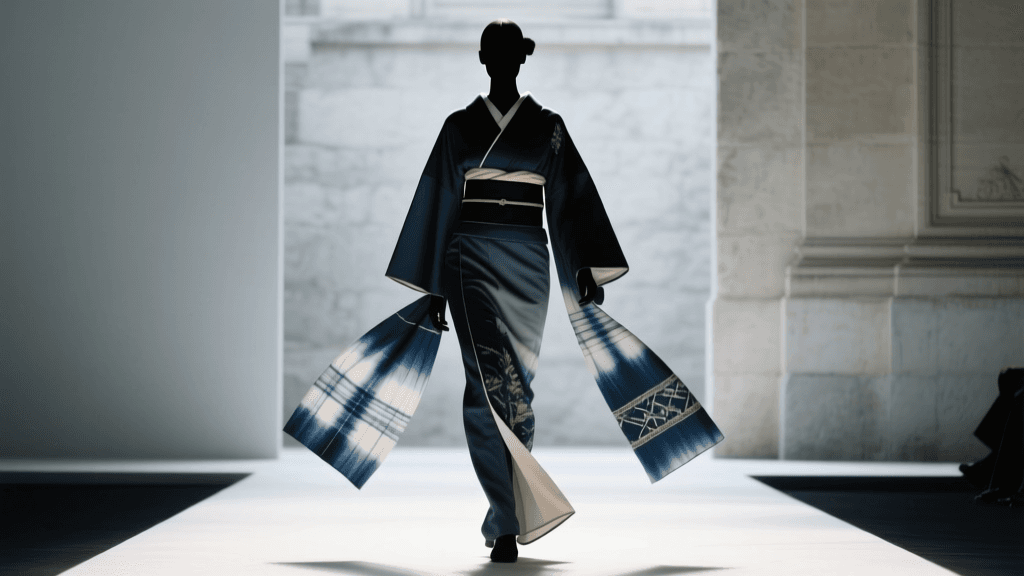
The global fashion landscape in 2026 is witnessing a profound renaissance of traditional Japanese garments, with the kimono taking center stage across Paris, Milan, and Tokyo Fashion Weeks. Moving far beyond the superficial orientalism and cultural appropriation that marred early 2000s fashion, today's top design houses are engaging in deep, respectful collaborations with Japanese artisans. The modern runway has become a canvas where centuries-old textile techniques meet cutting-edge, avant-garde tailoring. This year, the focus is entirely on structural integrity, sustainable upcycling, and the philosophical concept of 'ma' (negative space) inherent in traditional Japanese dress.
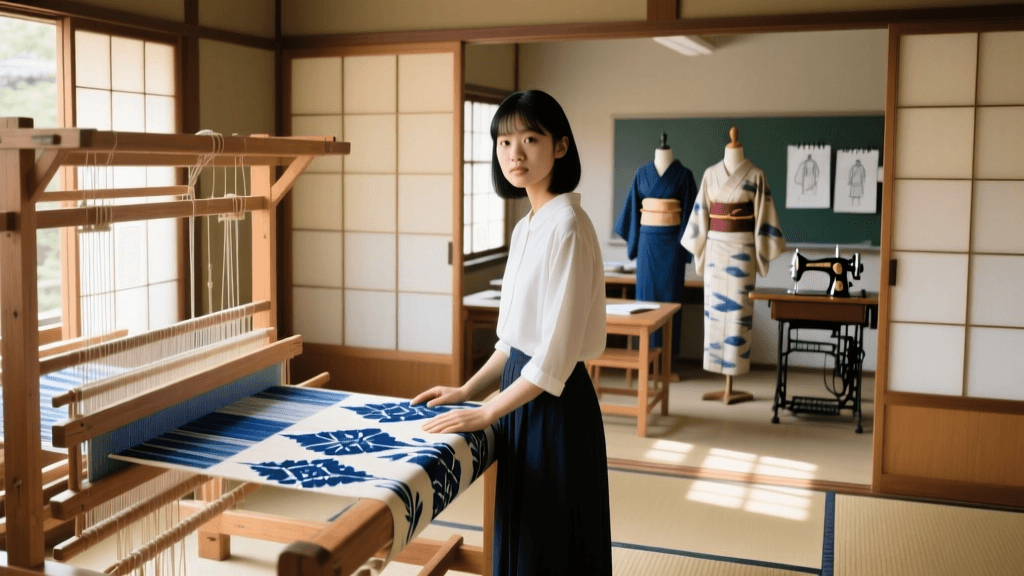
Foundational research by institutions like the Victoria and Albert Museum has long documented the intricate cross-pollination of Asian textiles and Western tailoring. In 2026, this historical dialogue has evolved into a symbiotic relationship. European heritage brands are partnering directly with weaving cooperatives in Kyoto and Nishijin, ensuring that the integration of kimono elements on the runway supports the preservation of endangered crafts like yuzen dyeing and nishijin-ori brocade weaving.
Deconstructing the Silhouette: Key 2026 Trends
The most striking element of the 2026 runway season is the deconstruction and reimagining of the kimono's iconic T-shaped silhouette. Designers are no longer simply wrapping fabrics to mimic a robe; they are engineering garments that capture the architectural essence of the kimono while serving the dynamic needs of modern movement.
The Furisode Capelet
The furisode, traditionally recognized by its long, swinging sleeves worn by unmarried women for formal occasions, has been radically adapted for 2026 evening wear. Designers such as Valentino and Schiaparelli have introduced detachable, dramatic capelets that mimic the furisode's sleeve drop. These pieces are engineered with hidden silk-organza armatures that allow the fabric to float away from the body, creating a striking silhouette that honors the traditional 'ma' or spatial harmony between the garment and the wearer.
The Structured Haori
The haori, a traditional hip- or thigh-length jacket, has been elevated into a staple of high-end power dressing. In the 2026 collections of Maison Margiela and Sacai, the haori is reimagined with padded, structured shoulders and deep, dropped armholes. The traditional front tie (haori himo) is replaced by magnetic closures or oversized, sculptural metallic toggles, blending Edo-period aesthetics with futuristic hardware.
Traditional Elements vs. 2026 Haute Couture Adaptations
To understand how deeply Japanese heritage has permeated the current fashion cycle, it is helpful to compare historical functions with their modern runway counterparts. The following table outlines the primary adaptations seen during the Spring/Summer and Autumn/Winter 2026 fashion weeks.
| Traditional Element | Historical Function | 2026 Runway Adaptation | Notable 2026 Application |
|---|---|---|---|
| Obi (Sash) | Securing the kimono and denoting formality | Architectural corsetry and wide, structured cummerbunds | Dior / Sacai |
| Haori (Jacket) | Casual or formal outerwear layer | Oversized, drop-shoulder tailored blazers | Maison Margiela |
| Furisode Sleeves | Formal youth wear with swinging panels | Dramatic, detachable evening capelets and trailing cuffs | Valentino |
| Nishijin-ori | Festive, multi-layered kimono brocade weaving | Upcycled panels integrated into sharp, tailored suits | Louis Vuitton |
| Kasuri (Ikat) | Everyday workwear and informal textiles | Denim-kasuri hybrid fabrics for luxury streetwear | Junya Watanabe |
Sustainable Luxury: Upcycling Meiji and Taisho Textiles
Sustainability is the defining mandate of 2026 fashion, and the kimono offers a masterclass in circular design. Because traditional kimonos are cut from single bolts of fabric (tanmono) and sewn with straight seams, they can be entirely deconstructed and repurposed without fabric waste. This year, luxury houses are heavily investing in the acquisition of vintage Meiji (1868–1912) and Taisho (1912–1926) era silk kimonos.
According to the Metropolitan Museum of Art's Asian Art department, the historical and material value of these antique textiles is immense. Designers are carefully harvesting these fragile silks, reinforcing them with modern, sheer organza backing, and integrating them into patchwork evening gowns and structured outerwear. Furthermore, the traditional mending techniques of boro (ragged cloth) and sashiko (decorative reinforcement stitching) are being utilized not just as aesthetic choices, but as visible markers of a garment's extended lifecycle and sustainable pedigree.
The Vanguard: Japanese Designers Leading the Paris 2026 Shows
While Western houses are adopting these silhouettes, it is the Japanese designers showing in Paris who are truly pushing the boundaries of what a kimono can be in the modern era. Chitose Abe of Sacai continues to dominate the 2026 conversation with her signature hybridization, seamlessly splicing the soft, flowing drape of a silk juban (under-kimono) with the rigid, utilitarian canvas of military outerwear.
Meanwhile, Rei Kawakubo's Comme des Garçons presented a 2026 collection that completely abstracted the kimono. By utilizing stiff, sculptural neoprene and exaggerated, asymmetrical wrapping techniques, the collection challenged the Western obsession with the body-conforming silhouette, reminding the global fashion press that the kimono is, at its core, an architectural structure that creates a new body rather than merely covering one.
Runway to Reality: Styling Kimono-Inspired Pieces in 2026
You do not need a haute couture budget to participate in this global appreciation of Japanese garment traditions. The 2026 retail market is flush with accessible, respectfully crafted pieces that bring runway concepts into everyday wardrobes. Here is actionable advice on how to style these elements today:
1. The Modern Haori Layer
When shopping for a modern, Western-adapted haori in 2026, look for a drop-shoulder measurement of at least 22 inches to maintain the relaxed, traditional drape. Opt for mid-weight chirimen (crepe) silk or high-quality cupro linings. Style an open, thigh-length haori over a fitted, ribbed merino wool turtleneck and wide-leg trousers. This balances the volume of the jacket with a streamlined base, perfect for transitional autumn weather.
2. Obi-Inspired Corsetry and Belting
The wide, rigid obi belt is a cornerstone of the 2026 silhouette. A vintage-inspired nishijin-ori obi belt repurposed for Western wear typically retails between $250 and $450 from specialized sustainable boutiques this year. To wear it without looking costumey, cinch it over an oversized, structured blazer or a flowing maxi dress. Ensure the belt is roughly 4 to 6 inches wide and position it slightly above the natural waist to elongate the legs and mimic the high-waisted proportion of traditional kimono dressing.
3. Kasuri and Sashiko Denim
For a casual approach, seek out Japanese denim brands that are integrating kasuri (ikat dyeing) patterns into indigo denim. In 2026, brands like Studio D'Artisan and Kapital are producing limited-run jackets that feature sashiko stitching along the stress points. Pair these statement jackets with minimalist, monochromatic basics to let the intricate, mathematical precision of the textile work stand out.
Conclusion
The presence of the kimono on the 2026 global runways is a testament to its unparalleled versatility and enduring design philosophy. By moving away from pastiche and embracing structural deconstruction, sustainable upcycling, and ethical artisan collaboration, the fashion industry is finally giving the kimono the profound respect it commands. Whether through an architectural haori blazer or a meticulously upcycled Meiji-era silk gown, the legacy of Japanese traditional garments continues to shape the very foundation of global haute couture.