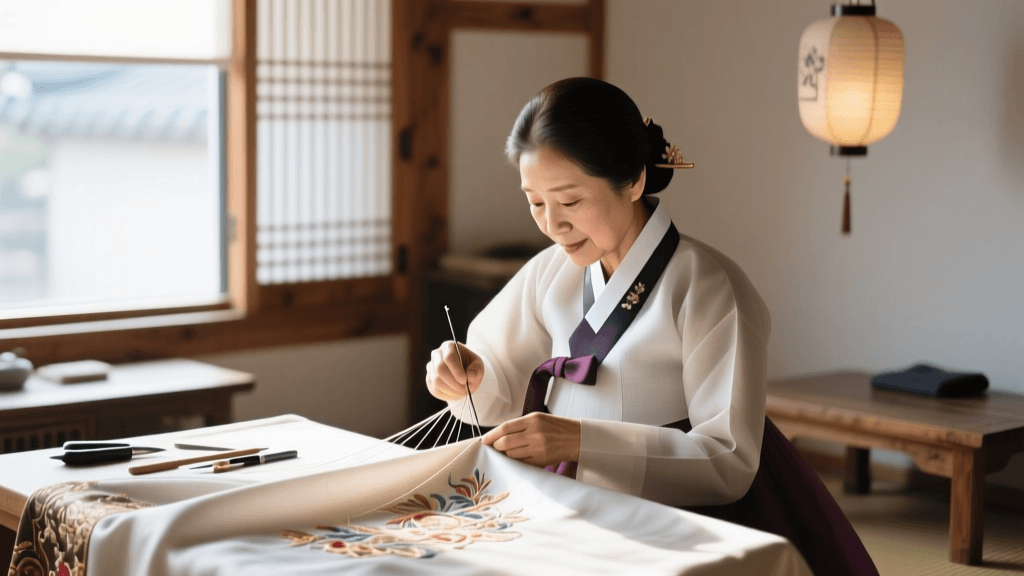
Top Japanese Fashion Schools & Kimono Apprenticeships in 2026
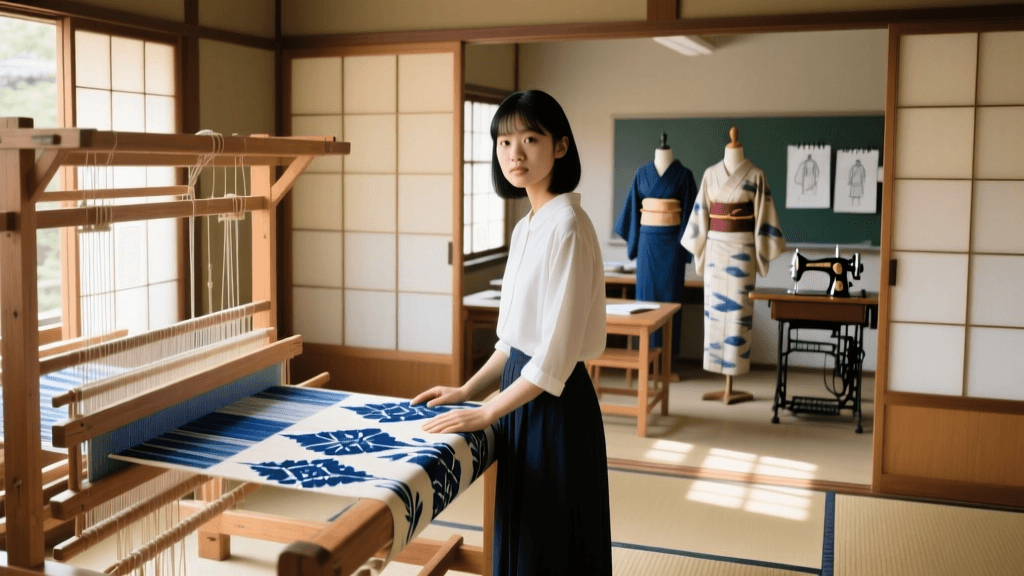
The Evolution of Japanese Fashion Education in 2026
Japan has long been revered as a global epicenter for both avant-garde fashion design and meticulous textile preservation. In 2026, the intersection of these two worlds—modern institutional fashion education and traditional heritage apprenticeships—offers unprecedented opportunities for aspiring designers, textile artists, and cultural preservationists. Whether you are drawn to the architectural draping taught in Tokyo's elite academies or the centuries-old dyeing techniques preserved in Kyoto's ateliers, understanding the educational landscape is critical.
This comprehensive guide breaks down the pathways to mastering Japanese fashion and traditional garments in 2026, comparing top-tier fashion schools with the rigorous deshi (apprentice) system.
Top Institutional Fashion Schools: Where Avant-Garde Meets Heritage
Bunka Fashion College (Tokyo)
As the most prestigious fashion institution in Asia, Bunka Fashion College continues to dominate the global stage in 2026. Bunka is famous for its rigorous technical training, particularly in flat-pattern making and draping. In recent years, the school has heavily integrated sustainable practices and digital 3D prototyping alongside traditional kimono deconstruction and reconstruction modules. The Global Fashion Business course is tailored for international students, offering a curriculum that bridges Japanese aesthetic philosophy (such as wabi-sabi and ma) with contemporary commercial viability.
Kyoto Seika University (Kyoto)
For those whose primary interest lies in the intersection of traditional crafts, textiles, and pop culture, Kyoto Seika University is unparalleled. Their Faculty of Art and Design offers specialized courses in traditional Japanese arts, including Nishijin-ori (brocade weaving) and Yuzen dyeing. The 2026 curriculum places a heavy emphasis on revitalizing rural craft economies, challenging students to create modern wearable garments using heritage techniques that might otherwise face extinction.
Sugino Fashion College (Tokyo)
Founded by Yoshiko Sugino, a pioneer who brought French couture techniques to Japan, this institution remains a stronghold for classical tailoring and dressmaking. Sugino's 2026 programs are highly specialized, offering intensive diplomas in costume history and traditional Japanese garment construction, making it an excellent choice for students focused on theatrical, cinematic, or highly structured historical fashion.
The Traditional Deshi Apprenticeship: Mastering Heritage Textiles
Outside the modern classroom lies the traditional deshi (apprenticeship) system. This is not merely an educational route; it is a profound cultural commitment. In 2026, as the Japanese government accelerates efforts to protect Intangible Cultural Properties, securing an apprenticeship under a recognized master artisan (often designated as a Living National Treasure or regional master) is highly competitive.
The Reality of the Atelier
Unlike Western internships, a Japanese textile apprenticeship requires immense patience. An apprentice in a Kanazawa Kaga-Yuzen dyeing studio or a Kyoto Nishijin weaving house will spend the first year primarily on preparation: washing brushes, mixing natural dyes, sweeping the studio, and observing the master's posture and rhythm. Only after proving dedication and mastering the foundational environment will the apprentice be allowed to touch the silk or operate the loom.
According to the Kyoto Traditional Industries Fureaikan, the preservation of these crafts relies heavily on attracting young, dedicated artisans who are willing to endure the grueling early years for the ultimate mastery of their craft. In 2026, several regional cooperatives have begun offering subsidized housing and basic living stipends to international and domestic apprentices to combat the aging artisan population.
2026 Comparison: Fashion School vs. Traditional Apprenticeship
| Feature | Institutional Fashion School (e.g., Bunka) | Traditional Atelier Apprenticeship (Deshi) |
|---|---|---|
| Primary Focus | Contemporary design, pattern-making, fashion business, and digital integration. | Mastery of a single heritage technique (e.g., dyeing, weaving, embroidery). |
| Duration | 1 to 4 years (Diploma to Bachelor's Degree). | 3 to 10+ years (Lifelong commitment to mastery). |
| Annual Cost (2026) | ¥1,200,000 - ¥1,600,000 (Tuition & Materials). | Often unpaid or minimal stipend; master provides tools and materials. |
| Visa Accessibility | High (Student Visa easily sponsored by accredited institutions). | Low to Moderate (Requires specific Cultural Activities or Designated Activities visa sponsorship). |
| Language Requirement | JLPT N2 (or English for specific Global programs). | JLPT N1 (Fluency required to understand nuanced master instructions). |
Actionable Guide: How to Apply and Secure Your Spot in 2026
Step 1: Language Proficiency is Non-Negotiable
While some Tokyo-based schools offer English-taught global programs, true immersion into Japanese fashion—and especially traditional apprenticeships—requires fluency. Aim to pass the JLPT (Japanese-Language Proficiency Test) N2 level before applying to institutions, and N1 if you intend to approach a traditional master in Kyoto or Kanazawa. The nuanced vocabulary of textiles, such as the difference between tate-ito (warp) and yoko-ito (weft), or specific dye mordants, is rarely taught in standard language schools.
Step 2: Portfolio and Technical Preparation
For fashion schools, your 2026 portfolio must demonstrate more than just digital rendering. Japanese institutions heavily favor candidates who show an understanding of physical materials. Include sketches, but more importantly, include photographs of physical toiles, draping experiments, and any hand-stitching or textile manipulation you have done. If applying for a traditional apprenticeship, your 'portfolio' is less about design and more about evidence of patience, manual dexterity, and a deep, researched respect for the specific history of the craft you wish to study. Show that you understand how to handle a hera (silk spatula) or how natural indigo vats are maintained.
Step 3: Navigating Visas and Funding
Funding your education in Japan is highly feasible if you leverage government resources. The MEXT Scholarship Program remains the gold standard for international students in 2026, offering full tuition waivers and a monthly living stipend (approximately ¥117,000 for undergraduates and ¥145,000 for research students). Applications for the MEXT scholarship typically open in April or May of the year prior to your intended enrollment, so you must plan at least 18 months in advance.
For traditional apprenticeships, look into the Agency for Cultural Affairs' regional revitalization grants, which occasionally offer stipends for foreigners willing to relocate to rural crafting hubs like Tamba-Sasayama or rural Niigata to learn endangered weaving techniques.
Living Costs and Budgeting for 2026
When planning your educational journey, factor in the stark contrast in living costs between Tokyo and Kyoto. In 2026, a modest studio apartment in Tokyo's Shinjuku or Shibuya wards will cost between ¥110,000 and ¥150,000 per month. Conversely, in Kyoto or Kanazawa, you can secure a traditional machiya room or a modest apartment for ¥60,000 to ¥85,000 per month. Furthermore, traditional ateliers often exist in older, communal neighborhoods where the cost of local produce and daily goods is significantly lower than in the metropolis.
Additionally, consider the cost of personal tools. While schools provide heavy machinery like industrial sewing looms, students are expected to purchase their own shears, measuring tapes, and specialized rulers, which can cost upwards of ¥50,000 for high-quality Japanese steel. In an apprenticeship, the master usually provides the raw silk and dyes, but you may be expected to slowly build your own collection of artisanal brushes and carving tools over your multi-year tenure.
Conclusion: Choosing Your Path
Whether you choose the structured, globally connected environment of a Tokyo fashion college or the silent, rigorous discipline of a Kyoto weaving atelier, studying Japanese fashion in 2026 is an exercise in respecting the past while engineering the future. The garments you will learn to create are not merely clothing; they are wearable archives of Asian traditions, demanding both technical excellence and profound cultural empathy. By carefully selecting the educational path that aligns with your career goals and linguistic capabilities, you can secure your place in the next generation of Japanese textile masters and fashion innovators.