Xin Zhongshi 2026: Xiangyunsha Silk Corporate Styling Guide
The Maturation of Xin Zhongshi in 2026
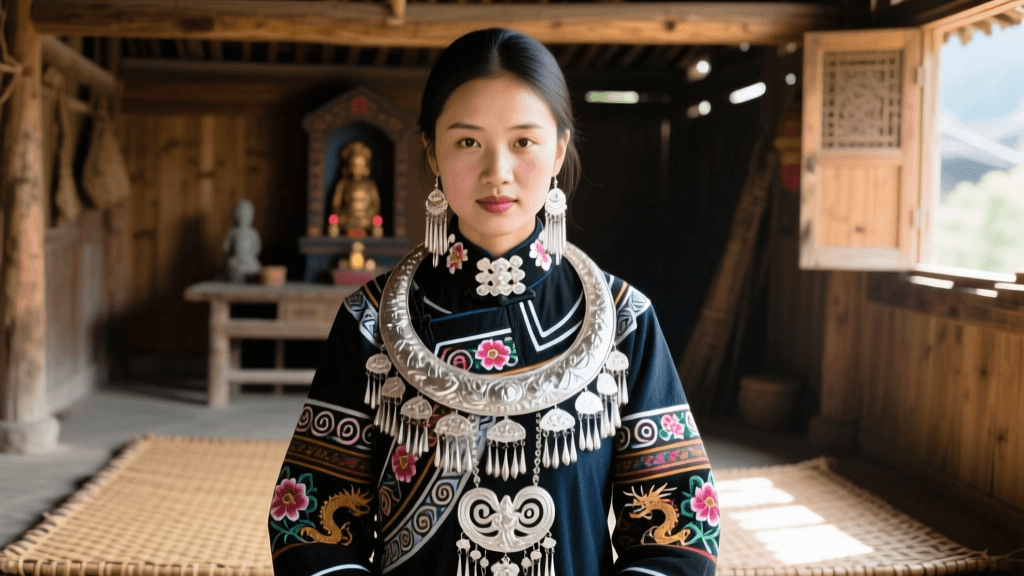
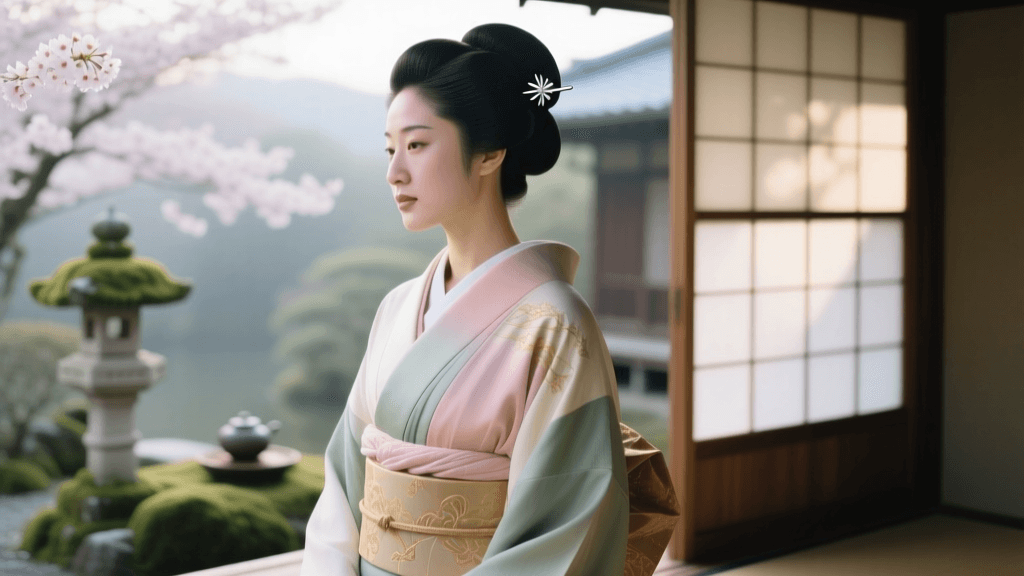
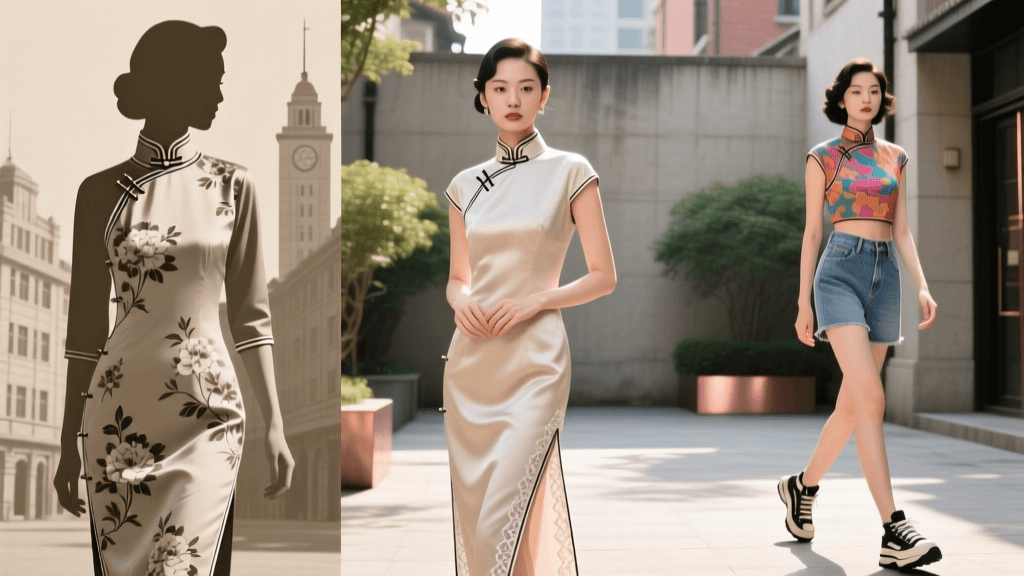
The Xin Zhongshi (新中式), or New Chinese Style, movement has undergone a radical transformation over the last few years. As we navigate the fashion landscape of 2026, Xin Zhongshi has firmly graduated from a niche, costume-adjacent trend into a sophisticated, structural pillar of the modern global wardrobe. No longer confined to weekend cultural festivals or stylized social media photoshoots, this aesthetic has been fully integrated into the professional and corporate spheres. The modern consumer demands garments that honor traditional Chinese sartorial heritage while meeting the rigorous practical demands of a fast-paced, contemporary lifestyle. This deep dive explores how to master the Xin Zhongshi corporate aesthetic in 2026, with a specific focus on the luxurious, heritage-rich fabric known as Xiangyunsha.
Xiangyunsha: The Soft Gold of Modern Chinese Fashion
At the heart of the 2026 Xin Zhongshi corporate wardrobe is Xiangyunsha, also known as Gambiered Canton Gauze. Historically reserved for the elite due to its labor-intensive production, this unique silk is dyed using the juice of the Dioscorea cirrhosa (shoulang) plant and coated with iron-rich mud from the Pearl River Delta. The result is a fabric that is naturally water-resistant, incredibly breathable, and possesses a distinct, subtle sheen that resembles polished leather or dark chocolate. According to historical textile archives at The Metropolitan Museum of Art, Chinese silk weaving and finishing techniques have always been at the forefront of global textile innovation, and Xiangyunsha represents the pinnacle of functional luxury.
In 2026, sustainable mud-dyeing cooperatives in Shunde have standardized the colorfastness and ecological footprint of Xiangyunsha production, making it a highly viable option for eco-conscious corporate professionals. The fabric's natural stiffness provides an excellent architectural drape, making it ideal for structured blazers, tailored wide-leg trousers, and modern interpretations of the Mamianqun (horse-face skirt). Its inherent cooling properties also make it a superior choice for transitional spring and summer office wear, outperforming traditional synthetic blends in both comfort and temperature regulation.
Fabric Comparison: Choosing the Right Textile for 2026
When building a Xin Zhongshi corporate wardrobe, selecting the appropriate textile is paramount. Below is a comprehensive comparison of the three dominant fabrics utilized by high-end New Chinese Style designers this year.
| Fabric Type | Weight & Drape | Best Corporate Application | 2026 Maintenance Level |
|---|---|---|---|
| Xiangyunsha (Gambiered Gauze) | Medium-Heavy; Structured, crisp drape | Tailored blazers, A-line skirts, structured outerwear | Low (Naturally stain-resistant, spot clean) |
| Modern Song Brocade (Silk-Cupro Blend) | Medium; Fluid but holds shape | Statement blouses, wrap dresses, subtle accent lapels | Medium (Requires gentle steaming, dry clean) |
| Mulberry Crepe de Chine (Heavyweight) | Light-Medium; Soft, flowing drape | Draped trousers, relaxed-fit tunics, layering pieces | High (Prone to wrinkling, requires careful washing) |
For the strict corporate environment, Xiangyunsha and Modern Song Brocade blends offer the best balance of professional silhouette and cultural resonance. The 2026 iterations of Song Brocade have been woven with micro-filament cupro to reduce the heavy, overly ornate look of ancient brocades, resulting in a matte finish that photographs beautifully under harsh office lighting.
Corporate Styling: Integrating Heritage into the 2026 Office
Styling Xin Zhongshi for the boardroom requires a delicate balance between historical reverence and modern minimalism. The goal is to whisper your cultural heritage, not shout it. Here are the core styling pillars for the 2026 professional.
1. The Modern Mamianqun (Horse-Face Skirt)
The Mamianqun remains the most iconic silhouette in Chinese traditional fashion. However, the 2026 corporate version ditches the floor-sweeping lengths and overly bright ceremonial colors. Opt for a midi-length skirt (hitting exactly at the mid-calf, roughly 75-80cm for a person of 165cm height) in deep, muted tones like obsidian, charcoal, or dark plum. The structural pleats of the Mamianqun provide a dynamic, architectural movement when walking, while the flat front and back panels maintain a sleek, professional profile. Pair this with a crisp, oversized white cotton poplin shirt tucked in at the natural waist to bridge the gap between East and West.
2. The Evolution of the Panxi (Frog Button)
Traditional Panxi (knotted frog buttons) are beautiful but notoriously difficult to fasten quickly during a busy morning. The 2026 solution adopted by top Xin Zhongshi labels is the magnetic Panxi. These closures feature hidden neodymium magnets encased within the traditional silk knotting, allowing for a secure, instantaneous snap closure that perfectly mimics the historical aesthetic. When selecting a Mandarin-collar jacket or a modified Qipao top for the office, ensure the frog buttons are minimalist—perhaps limited to three or four along the diagonal placket, rather than covering the entire garment.
3. Silhouette and Tailoring Metrics
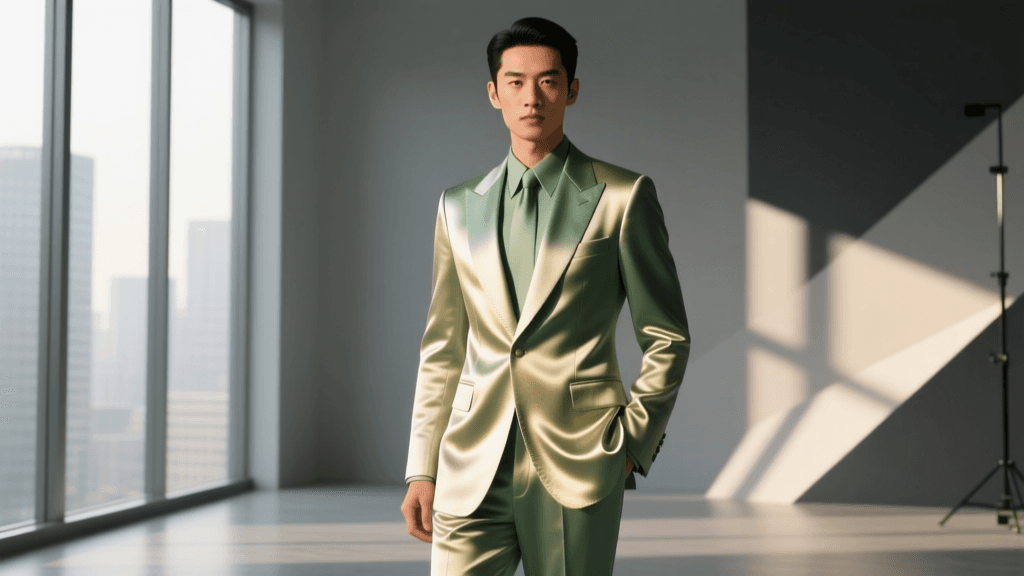
Xin Zhongshi corporate wear in 2026 favors a relaxed but deliberate drop-shoulder silhouette. When commissioning a Xiangyunsha blazer, request a slight drop in the shoulder seam (about 2-3cm past the natural acromion bone) and a boxy, straight-cut torso. This mirrors the traditional Chinese philosophy of leaving space between the body and the garment, promoting airflow and a sense of tranquil ease, which contrasts sharply with the restrictive tailoring of Western corporate suits.
The true elegance of Xin Zhongshi in a professional setting lies in its restraint. It is about the integrity of the fabric and the precision of the cut, allowing the wearer's competence to remain the focal point.
Caring for Heritage Textiles in a Modern Setting
Proper maintenance of Xiangyunsha and modern brocades is essential to preserve their structural integrity and rich patina. The iron-rich mud coating of Xiangyunsha makes it uniquely sensitive to alkaline substances. Therefore, traditional laundry detergents are strictly forbidden, as they will strip the fabric of its dark, lustrous finish and cause irreversible fading.
- Washing: In 2026, utilize specialized pH-neutral bio-enzyme cleaners designed specifically for heritage silks. Hand wash in cold water (below 20°C) for no more than three minutes.
- Drying: Never wring or twist Xiangyunsha. Gently press the water out between two clean, dry microfiber towels and lay the garment flat on a mesh drying rack away from direct sunlight. UV exposure will rapidly degrade the shoulang dye.
- Storage: Store your Xin Zhongshi corporate pieces on wide, padded wooden hangers to support the structured shoulders. Avoid wire hangers at all costs, as they will distort the architectural drape of the silk.
- Odor Removal: Because Xiangyunsha is naturally antibacterial, it rarely holds odors. Instead of frequent washing, hang the garment in a well-ventilated, steamy bathroom after a hot shower to naturally release any trapped scents and relax minor wrinkles.
The Global Impact and Future Outlook
The global appetite for Xin Zhongshi continues to surge, driven by a desire for garments that possess a deep narrative and artisanal authenticity. Market analysts at Jing Daily note that the New Chinese Style sector has seen double-digit growth in the luxury and premium contemporary markets, as international consumers increasingly seek out alternatives to homogenized Western fast fashion. Furthermore, the dedication to preserving these complex textile techniques is globally recognized, with traditional sericulture and silk craftsmanship officially protected and celebrated by UNESCO Intangible Cultural Heritage initiatives.
As we move further into 2026, the Xin Zhongshi corporate wardrobe stands as a testament to the fact that tradition and modernity are not mutually exclusive. By investing in high-quality Xiangyunsha, understanding the architectural nuances of the Mamianqun, and embracing modern textile care, professionals can curate a wardrobe that is deeply rooted in Asian heritage while remaining impeccably suited for the global stage. The future of corporate fashion is culturally rich, sustainably crafted, and unapologetically elegant.