The Qipao Evolution: History, Modern Styling, and Fit Guide
The Historical Evolution of the Qipao
The qipao (Mandarin) or cheongsam (Cantonese) is arguably the most globally recognized garment in Chinese fashion history. However, the form-fitting, high-collared dress known today is a relatively modern invention, bearing little resemblance to its earliest iterations. The literal translation of qipao is 'banner robe,' referring to the loose, boxy, and modest garments worn by Manchu women during the Qing Dynasty (1636–1912). These early robes were characterized by their straight silhouettes, wide sleeves, and heavy embroidery, designed to conceal the figure entirely.
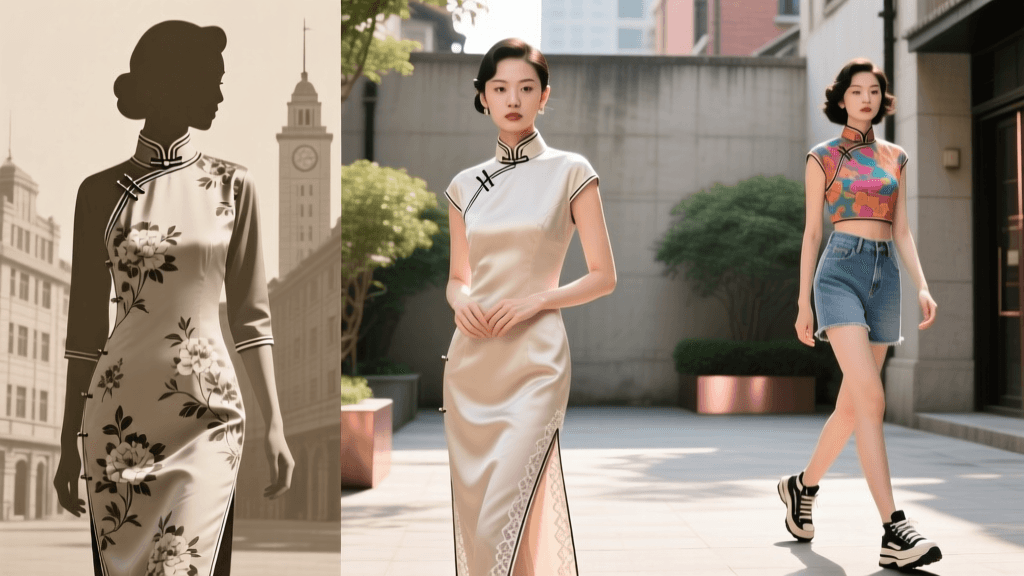
The radical transformation of the qipao began in the 1920s in Shanghai, a bustling cosmopolitan hub where Eastern traditions collided with Western modernity. Influenced by the feminist movements of the era and the influx of Western tailoring techniques, young Chinese women and progressive intellectuals began to alter the traditional banner robe. They narrowed the sleeves, introduced darts to contour the bodice, and raised the side slits to allow for greater mobility. According to the Victoria and Albert Museum, this era birthed the 'Golden Age' of the cheongsam, transforming it into a symbol of the modern, liberated 'New Woman' of the Republic of China.
By the 1930s and 1940s, the qipao had become the standard daily wear for urban Chinese women, featuring sensational calendar girl advertisements and cinematic glamour. The garment's silhouette continued to evolve, with hemlines fluctuating from ankle-length to mid-calf, and fabrics ranging from luxurious silk brocades to affordable, mass-produced cotton prints. Following a period of decline in mainland China during the mid-20th century, the qipao experienced a massive cinematic revival in the year 2000, thanks to Maggie Cheung’s iconic, mood-drenched wardrobe in Wong Kar-wai’s film In the Mood for Love, which showcased over 20 distinct, historically accurate 1960s-style qipaos.
The Neo-Cheongsam and the 'Xin Zhongshi' Movement
Today, the qipao is undergoing its most significant evolution since the Shanghai era, driven by Gen Z consumers and the viral Xin Zhongshi (New Chinese Style) movement. Rather than reserving the garment strictly for weddings, Lunar New Year celebrations, or formal banquets, modern fashion enthusiasts are deconstructing the cheongsam for everyday streetwear.
The Neo-Cheongsam breaks traditional rules. Designers are replacing restrictive silk brocades with breathable linens, washable cottons, and even distressed denim or vegan leather. The traditional high, stiff collar (the mandarin collar) is often lowered, swapped for a sweetheart neckline, or left entirely open. Furthermore, the signature pankou (knotted frog buttons) are now frequently used as purely decorative elements, with hidden zippers providing the actual closure for ease of wear. As documented by the Fashion Institute of Technology (FIT), the fusion of traditional Chinese motifs with contemporary Western streetwear silhouettes represents a reclamation of cultural identity by younger generations, proving that heritage garments can be deeply embedded in modern, fast-paced urban life.
Comparison Chart: Traditional vs. Modern Neo-Qipao
Understanding the differences between classic and contemporary styles is crucial when shopping for a qipao that suits your lifestyle. Below is a structured comparison to guide your purchase:
| Feature | Traditional (1930s-1960s) | Modern Neo-Qipao (Xin Zhongshi) |
|---|---|---|
| Silhouette | Form-fitting, pencil skirt cut, restrictive movement | A-line, skater, or slip-dress cuts; relaxed and fluid |
| Fabrics | Silk brocade, velvet, heavy jacquard, Xiangyunsha | Cotton-linen blends, denim, organza, leather, tulle |
| Collar | Stiff, high Mandarin collar (3-5 cm) | Low collar, V-neck, square neck, or collarless |
| Slits | High side slits (often reaching the upper thigh) | Lower slits, asymmetrical hems, or no slits at all |
| Fasteners | Functional Pankou (frog knots) from neck to hip | Hidden back/side zippers; Pankou used as decoration |
| Occasion | Formal events, weddings, diplomatic functions | Daily streetwear, cafes, music festivals, casual dates |
The Ultimate Guide to Measuring for a Bespoke Qipao
While off-the-rack Neo-Cheongsams are widely available on platforms like Taobao and Etsy, a traditional qipao demands precision. Because the classic silhouette leaves no room for error, bespoke or made-to-measure tailoring is highly recommended. If you are ordering online from a tailor, you must provide exact measurements. Here is how to measure yourself accurately:
- Bust: Measure around the fullest part of your chest, keeping the tape measure level across your shoulder blades. Do not pull tightly.
- Waist: Measure your natural waistline, which is the narrowest part of your torso, usually about an inch above the belly button.
- Hips: Measure around the fullest part of your hips and buttocks. This is critical for the side slits; if the hip measurement is too tight, the slits will pull open awkwardly when you walk.
- Shoulder Width: Measure from the edge of one shoulder bone to the other across the back. A proper qipao shoulder seam should sit exactly on the bone.
- Hollow-to-Hem: Measure from the hollow at the base of your front neck down to your desired hemline. For a classic 1930s look, the hem should graze the ankle bone; for modern wear, mid-calf or knee-length is preferred.
- Armhole Depth: Traditional qipaos have notoriously tight, high armholes to allow for arm movement without lifting the entire dress. Measure from the top of the shoulder down into the armpit.
Cost Expectations: An off-the-rack modern qipao typically costs between $50 and $150. A made-to-measure garment from an online tailor ranges from $300 to $800, depending on fabric choice. A fully bespoke, hand-stitched qipao from a master tailor in Shanghai or Hong Kong will start at $1,500 and can exceed $5,000 for luxury silks and intricate hand-embroidery.
Practical Styling Guide for Everyday Streetwear
Styling a qipao for the modern wardrobe requires balancing its inherent formality with casual, contemporary elements. The goal is to create a juxtaposition that feels effortless rather than costumey. The Metropolitan Museum of Art notes that the historical brilliance of the cheongsam was its ability to absorb Western fashion influences; today, we continue that tradition through modern styling.
Footwear Pairings
Ditch the traditional stiletto pumps. For a daytime streetwear look, pair a midi-length cotton or denim qipao with chunky sneakers, such as the New Balance 990 series or classic Converse Chuck Taylors. The sporty footwear grounds the elegance of the dress, making it suitable for walking around the city. For evening wear, opt for hardware-heavy combat boots or sleek, pointed-toe Mary Janes to add an edge to the silhouette.
Outerwear and Layering
Layering is the secret to integrating the qipao into autumn and winter wardrobes. An oversized, structured wool blazer worn over a sleeveless or short-sleeved Neo-Cheongsam creates a powerful, avant-garde silhouette. Alternatively, a cropped leather moto jacket adds a punk-rock contrast to delicate floral silk prints. In colder months, turtlenecks can be worn underneath collarless or V-neck modern qipaos, transforming the dress into a functional pinafore-style piece.
Accessories and Jewelry
Traditional jade bangles and pearl necklaces are beautiful, but they can push the outfit into overly formal territory. Instead, opt for minimalist metallic jewelry. Chunky silver chain necklaces, geometric gold hoop earrings, or a sleek leather belt bag worn crossbody will instantly modernize the look. If the qipao features loud, intricate brocade patterns, keep accessories entirely minimal to let the garment speak for itself.
Garment Care: Preserving Silk, Brocade, and Linen
Proper care is essential to maintain the structure and longevity of your qipao, especially given the delicate nature of traditional fabrics.
- Silk and Brocade: These fabrics must be dry-cleaned only. Water will cause the fibers to shrink, warp, and lose their luster. Never iron silk directly; use a steamer on a low setting, or place a cotton pressing cloth between the iron and the garment.
- Cotton and Linen Blends: Modern Neo-Cheongsams made from these materials can usually be hand-washed in cold water with a mild, pH-neutral detergent. Lay them flat to dry to prevent the weight of the water from stretching the seams.
- Storage: Never hang a heavy silk or brocade qipao on a wire hanger, as the weight of the fabric will distort the shoulders and stretch the delicate armholes. Use wide, padded wooden hangers. For long-term storage, fold the garment with acid-free tissue paper and place it in a breathable cotton garment bag. Avoid plastic bags, which can trap moisture and cause the silk to yellow or develop mildew.
By understanding its rich history, mastering the fit, and embracing modern styling techniques, you can seamlessly integrate the qipao into your contemporary wardrobe. Whether you choose a historically accurate 1930s silk gown or a deconstructed denim streetwear piece, the cheongsam remains a living, breathing testament to the evolution of Asian fashion.