Xin Zhongshi 2026: Mastering the New Chinese Style Capsule Wardrobe
The Evolution of Xin Zhongshi in 2026
The fashion landscape of 2026 has firmly cemented Xin Zhongshi (新中式), or New Chinese Style, not merely as a fleeting aesthetic trend, but as a profound sartorial movement that bridges millennia of textile heritage with the pragmatic demands of contemporary life. Unlike the costume-heavy interpretations of the past, the 2026 iteration of Xin Zhongshi focuses on subtlety, material innovation, and seamless integration into global capsule wardrobes. For enthusiasts of Asian traditions and modern fashion alike, mastering this style requires a deep understanding of historical fabrics, structural silhouettes, and the nuanced art of modern styling.
At its core, the Xin Zhongshi movement represents a cultural renaissance. It is a deliberate rejection of fast-fashion homogenization, favoring instead the rich, tactile narratives of traditional Chinese craftsmanship. According to the UNESCO Intangible Cultural Heritage registries, the preservation of techniques like sericulture and silk craftsmanship is vital to maintaining these cultural touchstones. In 2026, leading designers are no longer just copying ancient garments; they are deconstructing them. They extract the philosophical essence of traditional tailoring—such as the flat-cutting methods that preserve the integrity of the woven fabric—and apply them to modern, three-dimensional silhouettes that flatter the dynamic lifestyles of today's wearers.
Core Heritage Fabrics Meet Modern Tech
To truly embrace Xin Zhongshi in 2026, one must first understand the foundational textiles that give the movement its soul. This year, the market has seen a massive surge in demand for heritage fabrics that have been ethically sourced and technologically enhanced for everyday durability.
Xiangyunsha (Gambiered Gauze)
Xiangyunsha (香云纱), often translated as gambiered Guangdong gauze, is the undisputed crown jewel of the 2026 Xin Zhongshi wardrobe. Originating from the Pearl River Delta, this fabric undergoes a grueling, months-long process involving the juice of the Dioscorea cirrhosa yam and the iron-rich mud of local riverbeds. The result is a textile that is remarkably lightweight, naturally antibacterial, and possesses a distinct, leathery patina that deepens with age. In 2026, textile innovators have introduced nano-level water-repellent finishes to authentic Xiangyunsha, allowing it to be worn in unpredictable urban weather without compromising its historical integrity. A genuine, certified Xiangyunsha trench coat is a cornerstone investment piece, typically retailing between $600 and $900 this season, reflecting the intensive manual labor required for its creation.
Song Brocade (Songjin)
Song Brocade, or Songjin, dates back to the Song Dynasty and is renowned for its intricate, mathematically precise geometric patterns and subdued, elegant color palettes. While historically reserved for imperial court bindings and ceremonial robes, 2026 has seen Song Brocade reimagined for daily wear. Modern weaving mills in Suzhou have successfully blended traditional mulberry silk with high-tenacity recycled cupro, creating a fabric that retains the luminous, three-dimensional depth of ancient brocade but offers the stretch and wrinkle-resistance required for office environments. The Metropolitan Museum of Art notes that Chinese silk weaving has always been characterized by its technical complexity and artistic brilliance, a legacy that modern Songjin weavers are fiercely protecting through these innovative material blends.
Essential Silhouettes for the Modern Wardrobe
The silhouettes of Xin Zhongshi are where history meets the cutting room floor. The 2026 collections prioritize fluidity, asymmetric closures, and modular layering, moving away from the restrictive fits of early 20th-century adaptations.
The Office-Ready Mamianqun
The Mamianqun, or horse-face skirt, has evolved from a viral social media staple into a refined wardrobe essential. Characterized by its flat front and back panels flanked by deeply pleated sides, the Mamianqun offers unparalleled freedom of movement. In 2026, the most sought-after iterations are crafted from heavy wool-crepe blends for autumn and winter, featuring subtle, tone-on-tone jacquard weaves rather than the loud, contrasting motifs of previous years. Styling a midi-length, charcoal-grey Mamianqun with a crisp, oversized white poplin shirt and a structured leather belt perfectly encapsulates the modern Xin Zhongshi ethos: respectful of the past, but firmly rooted in the present.
The Deconstructed Pan Kou Blazer
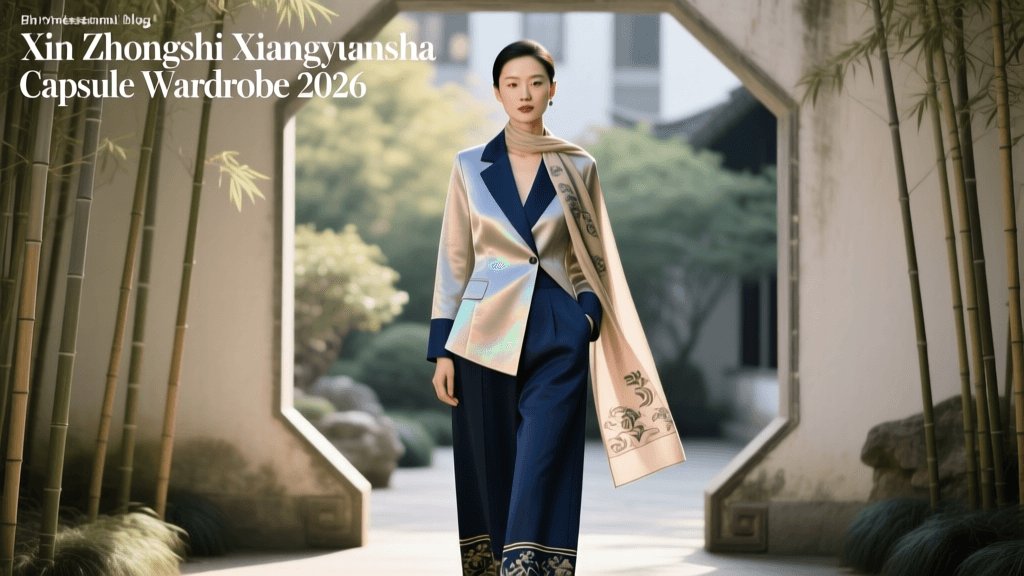
The Pan Kou, or traditional knotted button, has transcended its origins as a mere fastener to become a central decorative and structural element in 2026 outerwear. Designers are utilizing oversized, geometric Pan Kou crafted from carved jade, oxidized silver, and vegan leather to anchor the lapels of deconstructed blazers and trench coats. Unlike the tight, restrictive mandarin collars of the past, these modern garments feature relaxed, drop-shoulder constructions and wide, sweeping lapels, allowing the intricate knotwork to serve as an asymmetric focal point rather than a restrictive neckline.
2026 Xin Zhongshi Capsule Wardrobe Blueprint
Building a cohesive New Chinese Style wardrobe requires balancing statement heritage pieces with versatile, modern basics. Below is a curated blueprint for a premium 2026 capsule wardrobe, including estimated market pricing and styling applications.
| Garment | Primary Material | 2026 Est. Price (USD) | Styling Application |
|---|---|---|---|
| Asymmetric Trench Coat | Xiangyunsha (Gambiered Gauze) | $650 - $850 | Layer over minimalist turtlenecks and wide-leg trousers for transitional weather. |
| Structured Mamianqun | Wool-Cupro Blend Jacquard | $280 - $400 | Pair with crisp button-downs and leather boots for a sophisticated office look. |
| Deconstructed Blazer | Matte Silk Twill with Pan Kou | $450 - $600 | Wear over slip dresses or tailored denim for evening engagements. |
| Song Brocade Vest | Modernized Songjin & Recycled Cotton | $220 - $350 | Use as a layering piece over long-sleeve sheer mesh tops in autumn. |
| Modified Qipao Blouse | Heavy Crepe de Chine | $180 - $250 | Tuck into high-waisted midi skirts; features drop-shoulders and side-slits. |
Care and Maintenance for Heritage Blends
Owning Xin Zhongshi garments in 2026 also means adopting specialized care routines to preserve the integrity of these complex textiles. Xiangyunsha, despite its modern weather-resistant treatments, must never be machine washed or exposed to harsh alkaline detergents. The iron-rich mud coating that gives the fabric its distinctive patina can degrade if subjected to aggressive chemical cleaning. Experts recommend spot-cleaning with a pH-neutral silk wash and air-drying in shaded, well-ventilated areas. Direct sunlight can cause the yam-dye pigments to oxidize unevenly, leading to patchy discoloration.
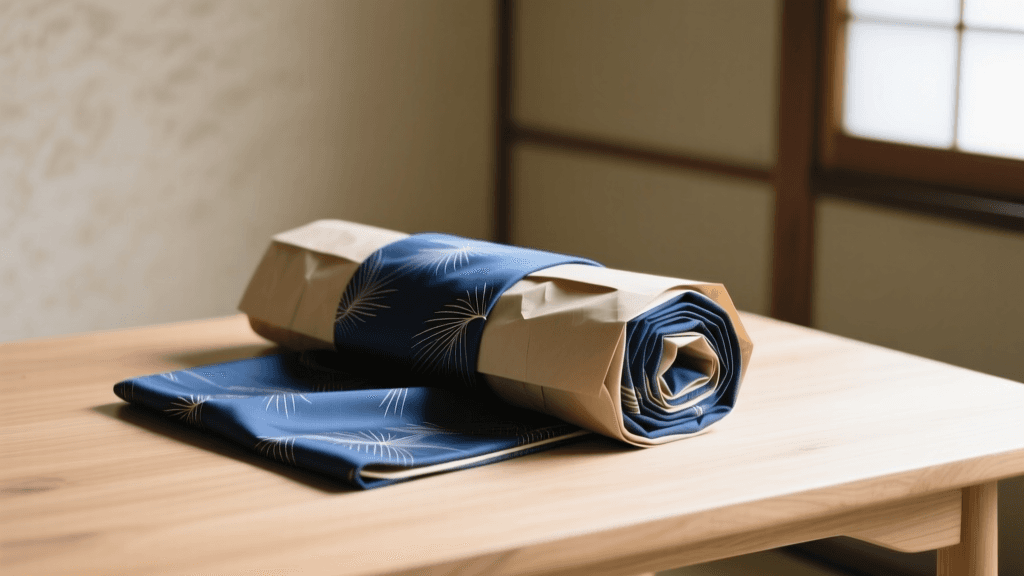
For Song Brocade blends, the introduction of cupro and recycled synthetic threads has made them more forgiving, but they still require gentle handling. Steaming is preferred over traditional ironing, as direct heat can flatten the intricate three-dimensional jacquard weaves. When storing these garments for the off-season, avoid wire hangers which can distort the flat-cut shoulder seams. Instead, use padded, wide-shoulder wooden hangers and store the garments in breathable cotton canvas bags, steering clear of plastic covers that can trap moisture and promote mildew growth in natural silk fibers.
Sourcing Authentic Pieces in 2026
As the global appetite for Xin Zhongshi has grown, so too has the market for mass-produced, inauthentic imitations. True New Chinese Style is defined by its respect for traditional craftsmanship, not just the superficial application of a mandarin collar or a dragon motif. When sourcing pieces in 2026, look for brands that provide transparent supply chains and highlight their partnerships with regional artisan cooperatives in Suzhou, Hangzhou, and the Pearl River Delta.
Authentic Xiangyunsha will always carry a distinct, slightly earthy scent and a unique, uneven texture that synthetic polyurethane knockoffs simply cannot replicate. Furthermore, reputable brands will provide detailed information regarding the specific weaving techniques employed, such as the use of traditional wooden draw-looms for high-end Song Brocade. By investing in certified heritage garments, consumers not only elevate their personal style but also actively participate in the economic preservation of Asia's most vital textile traditions.
Ultimately, the Xin Zhongshi movement of 2026 is a testament to the enduring power of cultural memory. It proves that traditional Asian garments are not relics to be kept behind museum glass, but living, breathing elements of a dynamic global wardrobe. By understanding the profound history woven into every thread of Xiangyunsha and every pleat of the Mamianqun, modern wearers can carry the legacy of the Silk Road into the future, one meticulously crafted garment at a time.