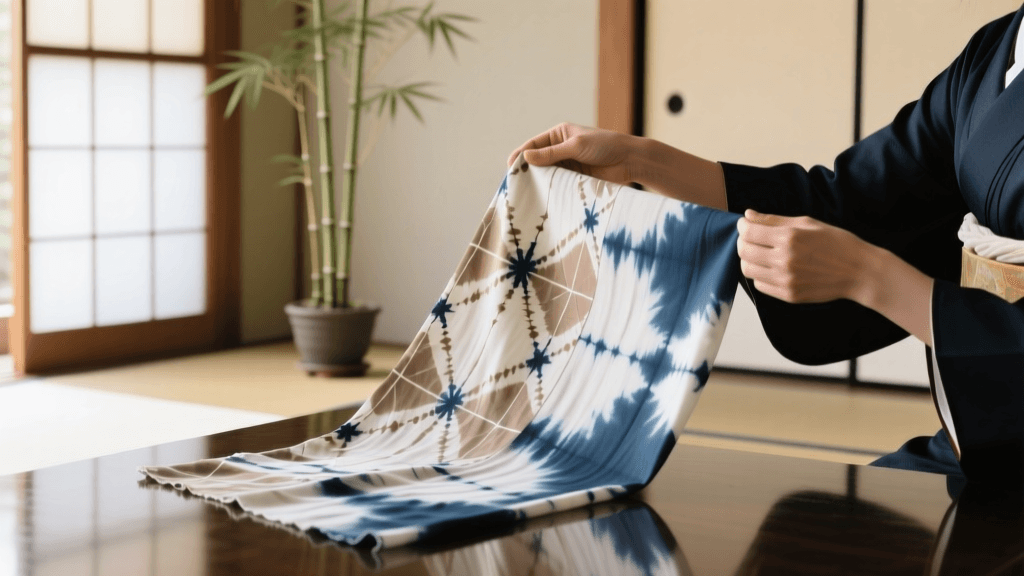
Kimono Storage Preservation 2026: Archival Silk Care
The Evolution of Kimono Preservation in 2026
Preserving vintage and antique Japanese kimonos is an intricate discipline that bridges traditional craftsmanship with modern conservation science. As we navigate 2026, the standards for textile preservation have evolved significantly, driven by advancements in smart climate monitoring and a deeper understanding of protein-based fiber degradation. Whether you are managing a private collection of Meiji-era uchikake (wedding kimonos), Taisho-era haori, or contemporary silk garments, proper storage is the difference between a garment that lasts for generations and one that succumbs to dry rot, dye bleeding, or pest damage.
In this comprehensive guide, we explore the most effective kimono storage preservation techniques for 2026, focusing on archival silk care, the modern application of tatoushi wrapping, and the integration of smart environmental sensors to protect your invaluable Asian textile heritage.
Understanding Silk Degradation and Environmental Threats
Silk is a natural protein fiber composed primarily of fibroin and sericin. Unlike plant-based fibers such as cotton or linen, silk is highly sensitive to its environment. The greatest threats to a kimono collection include fluctuating relative humidity (RH), ultraviolet (UV) light exposure, chemical off-gassing from improper storage materials, and biological pests.
Many vintage kimonos, particularly those from the late 19th and early 20th centuries, feature "weighted silk." This historical manufacturing process involved treating the silk with metallic salts (like tin or iron) to increase its weight and drape. Over time, these metallic salts can catalyze the degradation of the silk fibers, leading to a phenomenon known as "shattering," where the fabric becomes brittle and disintegrates into dust. In 2026, conservation standards dictate that weighted silk garments require even stricter climate control and must never be subjected to mechanical stress or harsh folding.
According to guidelines published by the Victoria and Albert Museum (V&A), maintaining a stable environment is the single most critical factor in preventing the acceleration of chemical decay in historic textiles. For silk kimonos, the ideal storage environment in 2026 is maintained at a temperature of 18°C to 20°C (64°F to 68°F) with a relative humidity strictly held between 45% and 55%.
The Art of Tatoushi: Traditional Meets Modern Archival Paper
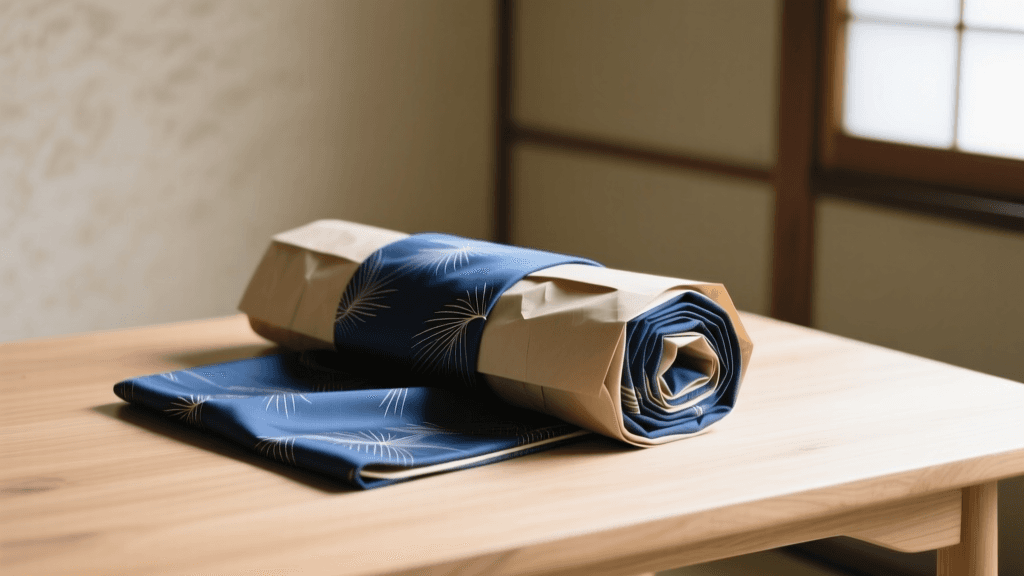
In Japanese tradition, kimonos are wrapped in specialized paper called tatoushi (or tatogami). Historically, these papers were made from high-quality mulberry fibers and sometimes infused with natural insect repellents. However, modern mass-produced tatoushi often contain acidic bleaches, lignin, and optical brighteners that will yellow and degrade silk over time.
For professional collection management in 2026, we must adapt the tatoushi concept using museum-grade archival materials. The most critical rule for silk preservation is to use unbuffered, acid-free, and lignin-free tissue paper. Buffered tissue paper contains an alkaline reserve (usually calcium carbonate) designed to neutralize acids in plant-based fibers like cotton. However, this alkaline reserve can damage protein fibers like silk and wool, causing them to weaken and discolor. Always verify that your archival tissue is specifically labeled as "unbuffered" or "neutral pH" for silk garments.
When wrapping a kimono, lay it flat on a clean, padded surface. Place sheets of unbuffered tissue between every fold to prevent sharp creases, which can cause permanent fiber breakage over decades. The tissue acts as a cushion, distributing the stress of the fold across a wider area and absorbing any residual moisture.
Climate Control: Smart Sensors for Textile Collections
The days of relying on analog hygrometers that require manual checking are over. In 2026, collection managers utilize Internet of Things (IoT) smart sensors to monitor micro-climates inside storage cabinets, paulownia boxes (kiri-bako), and archival enclosures. These devices send real-time alerts to your smartphone if the temperature or humidity breaches safe thresholds, allowing for immediate intervention before mold or desiccation can occur.
Below is a comparison of the top smart climate monitors recommended for textile preservation in 2026:
| Device Model (2026) | Price (USD) | RH Accuracy | Connectivity & Alerts | Best Use Case |
|---|---|---|---|---|
| SensorPush HT.w Gateway Kit | $149 | ± 1.5% | Wi-Fi / Push Notifications | High-value antique silk & museum drawers |
| Temp Stick 2026 Edition | $139 | ± 2.0% | Native Wi-Fi / Email & SMS | Remote storage units & off-site archives |
| Govee H5179 Wi-Fi Thermometer | $89 | ± 2.0% | Wi-Fi / App Alerts | General home closets & display cases |
| Onset HOBO MX1102A | $215 | ± 2.5% | Bluetooth / Data Logging | Institutional compliance & long-term auditing |
When placing these sensors, avoid putting them directly against exterior walls or near HVAC vents. For kimonos stored inside traditional kiri-bako (paulownia wood boxes), place a small Bluetooth sensor inside the box to monitor the specific micro-climate, as wood naturally buffers humidity but can trap moisture if the ambient room conditions are poor.
Step-by-Step Archival Storage Protocol
Implementing a rigorous storage protocol ensures that every garment in your collection receives uniform, professional-grade care. Follow these steps for optimal kimono preservation:
- Professional Cleaning: Never store a kimono that has been worn without cleaning. Invisible body oils, sweat, and microscopic food particles will oxidize and attract pests. For silk kimonos, seek out a specialist in maru-arai (traditional Japanese wet cleaning using specialized solvents and water techniques) or a certified textile conservator. Consult the American Institute for Conservation (AIC) directory to find qualified professionals in your region.
- Inspection and Documentation: Examine the garment under UV light to check for hidden stains or early signs of mold. Photograph the garment and log its condition, provenance, and materials in your collection management database.
- Tissue Padding: Stuff the sleeves and the bodice lightly with crumpled unbuffered acid-free tissue to maintain the garment's three-dimensional structure and prevent hard creases.
- The Fold: Fold the kimono strictly along its original seams using the traditional tato-shi folding method. This method aligns with the structural geometry of the garment, minimizing stress on the yuzen dyed patterns and metallic embroidery.
- Enclosure Selection: While traditional kiri-bako are beautiful and culturally appropriate, they are susceptible to wood-boring insects and can off-gas acidic compounds as they age. In 2026, the gold standard for long-term archival storage is the use of corrugated polypropylene (PP) archival boxes. These plastics are chemically inert, waterproof, and do not off-gas harmful volatile organic compounds (VOCs). If you prefer the aesthetic of wood, place the PP box inside the wooden cabinet, or line the wooden box with a barrier film like Marvelseal.
Pest Management: The Anoxia Approach
Historically, kimonos were stored with camphor, naphthalene, or paradichlorobenzene (mothballs). In 2026, these chemical repellents are strictly forbidden in professional conservation. Not only are they toxic to humans, but the chemical vapors can react with the metallic threads (kinran and ginran) used in kimono embroidery, causing the silver and gold to tarnish and blacken irreversibly. Furthermore, the crystals can melt into the silk fibers under high heat, causing catastrophic staining.
Modern pest management relies on prevention and anoxia (oxygen deprivation). To prevent infestations of webbing clothes moths (Tineola bisselliella) and carpet beetles, maintain strict quarantine protocols for any new acquisitions. Freeze new garments in a sealed polyethylene bag at -20°C (-4°F) for 72 hours to kill all life stages of pests, then allow the bag to thaw slowly to room temperature before opening to prevent condensation on the silk.
If an active infestation is discovered in the collection, conservators utilize anoxia chambers. The affected textiles are sealed in an airtight barrier film with an oxygen scavenger (such as Ageless ZPT). This reduces the oxygen level inside the enclosure to below 0.1%, effectively asphyxiating the pests without the use of any harmful chemicals or freezing temperatures that might damage fragile, weighted silk.
Collection Management Software and RFID Tracking
As collections grow, managing the physical location and condition history of each kimono becomes a complex logistical challenge. In 2026, leading collectors and small museums utilize specialized collection management software (CMS) integrated with passive RFID (Radio Frequency Identification) tagging.
By attaching a textile-safe, acid-free RFID tag to the storage box (never directly to the garment), managers can instantly audit their collection using a handheld scanner. This eliminates the need to physically open boxes and expose the kimonos to light and handling just to verify inventory. Platforms like CollectiveAccess or even highly customized Airtable databases allow curators to track the last cleaning date, exhibition history, insurance valuations, and high-resolution macro photography of fragile areas, ensuring a comprehensive digital twin of the physical collection.
Conclusion: Stewardship of Cultural Heritage
Preserving a kimono collection is an act of profound cultural stewardship. These garments are not merely clothing; they are canvases of Japanese history, reflecting the shifting aesthetics, technological advancements in weaving and dyeing, and the social customs of their respective eras. By embracing the 2026 standards of archival silk care—utilizing unbuffered tatoushi alternatives, deploying smart climate sensors, and rejecting harmful chemical pest controls—you ensure that the vibrant silks and intricate embroideries of the past remain intact to educate and inspire future generations. For further reading on institutional standards, the Metropolitan Museum of Art's Textile Conservation Department offers extensive resources on the ongoing care of Asian textiles.