Top Japanese Fashion School Online Dyeing Workshops 2026
The Evolution of Heritage Textile Education in 2026
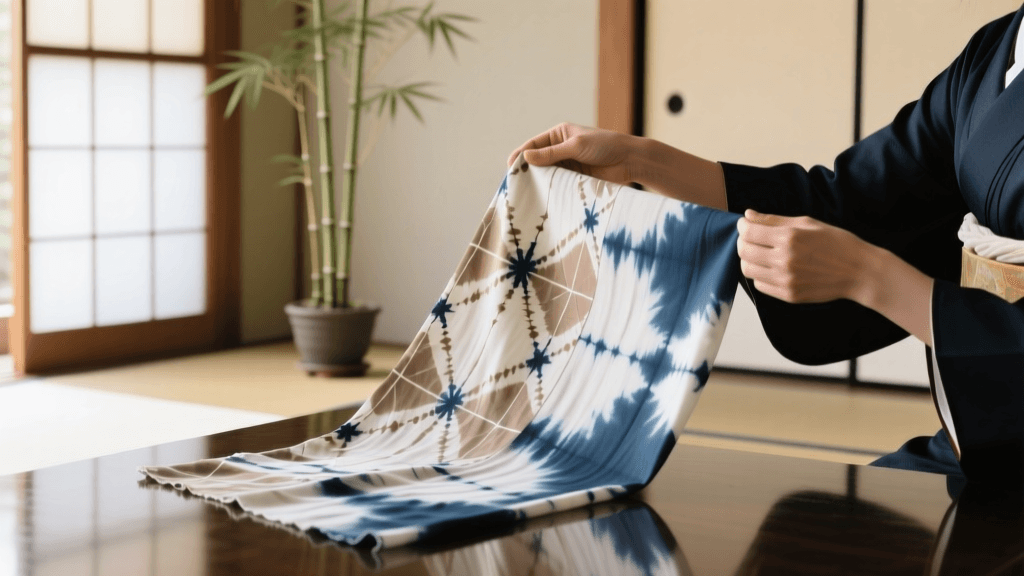
The intersection of ancient Japanese textile arts and modern digital education has reached a remarkable milestone in 2026. For decades, mastering traditional techniques like shibori (shape-resist dyeing) and kyo-yuzen (paste-resist silk painting) required relocating to Japan and apprenticing under master artisans in humid, dye-stained studios. Today, top-tier Japanese fashion schools have revolutionized this pedagogy. Through the integration of spatial computing, high-definition macro streaming, and globally shipped artisanal material kits, international students can now achieve certification in heritage dyeing from their home studios.
As the global fashion industry pivots aggressively toward sustainable, slow-fashion practices, the demand for designers who understand natural dye chemistry and zero-waste fabric manipulation has skyrocketed. According to the Japan Kogei Association, the preservation of traditional crafts is increasingly reliant on these digital-hybrid educational models to pass down intangible cultural properties to a new, global generation of designers. This guide explores the premier online and hybrid workshop programs available in 2026 from Japan's most prestigious fashion and art institutions.
Bunka Fashion College: Global Artisan Shibori Module
Bunka Fashion College in Tokyo has long been recognized as a global powerhouse in fashion education, producing avant-garde designers who regularly disrupt European runways. In 2026, Bunka's 'Global Artisan' online module focuses heavily on the structural and chemical complexities of shibori. Unlike basic tie-dye tutorials, this rigorous 8-week certification dives deep into itajime (shape-resist using carved wooden blocks) and arashi (pole-wrapping) techniques.
Spatial Computing and Tension Mapping
The standout feature of Bunka's 2026 curriculum is the use of spatial computing headsets. Students receive a lightweight AR visor in their welcome kit. During live studio sessions, instructors in Tokyo wear camera-equipped headsets, allowing remote students to see the exact angle, tension, and binding pressure applied to the silk. When wrapping silk around a PVC or wooden pole for arashi shibori, the tension of the binding thread dictates the crispness of the final diagonal pattern. The AR overlay provides real-time feedback on thread tension, a technological leap that has drastically reduced the failure rate for remote learners.
Natural Indigo Vat Chemistry
Bunka's program also emphasizes the botanical science of sukumo (fermented Japanese indigo leaves) sourced directly from Tokushima Prefecture. Students learn to manage the pH and temperature of a living indigo vat, using 2026's advanced smart-thermometer probes that sync directly to their studio tablets. Understanding the reduction-oxidation process of natural indigo is critical for achieving the deep, multi-layered kame-nozoki (pale blue) to kon (deep navy) spectrum required for high-end garment production.
Kyoto Seika University: Virtual Kyo-Yuzen Masterclass
While Bunka focuses on structural manipulation, Kyoto Seika University offers an unparalleled 12-week virtual masterclass in Kyo-Yuzen, the legendary paste-resist dyeing technique used to create the intricate, painterly motifs found on luxury kimono. Originating in the 17th century, Yuzen requires a meticulous, multi-step process that Kyoto Seika has brilliantly adapted for the digital classroom.
Mastering Norimaki and Surikomi
The core of the Kyoto Seika workshop revolves around norimaki (applying rice paste resist) and surikomi (brushing color into the reserved spaces). In 2026, the university ships a specialized climate-controlled kit containing synthetic nori paste formulated to remain stable across various global humidity levels, alongside traditional funori (seaweed glue) for final finishing. Instructors use 4K macro-lens cameras to demonstrate the precise wrist flick required to extrude the paste from a metal-tipped paper cone, creating hair-thin outlines that prevent dye from bleeding.
Digital Stencil Drafting
Kyoto Seika also bridges the gap between heritage and modern design software. Students learn to draft their Yuzen motifs using specialized CAD plugins, which are then laser-cut onto traditional katagami (mulberry paper stencils) by the university's Kyoto campus lab and shipped to the student. This hybrid approach allows designers to create mathematically perfect repeating patterns while still executing the dye application entirely by hand, preserving the organic, artisanal soul of the textile.
2026 Program Comparison Matrix
Choosing the right program depends on your design focus, budget, and the specific traditional techniques you wish to incorporate into your portfolio. Below is a comparative breakdown of the top three online Japanese textile workshops available for the 2026 academic year.
| Institution | Technique Focus | Duration | 2026 Tuition (USD) | Material Kit Included? |
|---|---|---|---|---|
| Bunka Fashion College | Shibori (Itajime, Arashi, Kanoko) | 8 Weeks | $1,450 | Yes (Indigo vat, AR visor, silk) |
| Kyoto Seika University | Kyo-Yuzen & Katazome | 12 Weeks | $2,100 | Yes (Nori paste, pigments, stencils) |
| Tokyo Mode Gakuen | Edo-Komon (Micro-stenciling) | 6 Weeks | $950 | No (Sourced locally by student) |
Equipping Your 2026 Home Dyeing Studio
While these premier institutions provide specialized kits, setting up a functional home studio for Japanese textile arts requires specific environmental controls and supplementary tools. As of 2026, the global supply chain for traditional Japanese dyeing materials is more robust than ever, but students must still invest in the right infrastructure.
- Steam Generation: Both Shibori and Yuzen require intense steaming to set the dyes and melt away the resist pastes. A standard kitchen steamer is insufficient. Students must invest in a commercial-grade vertical garment steamer with a minimum output of 1500W and a continuous water tank capable of sustaining 90 minutes of uninterrupted steam at 100°C (212°F).
- Water Filtration: Natural dyes, particularly indigo and madder root, are highly reactive to heavy metals and chlorine. A reverse-osmosis (RO) water filtration system is mandatory for mixing dye baths and washing out finished silk to ensure colorfastness and prevent unwanted chemical shifts.
- Silk Substrates: The 2026 curriculum heavily favors 16mm Habotai and 12mm Crepe de Chine for practice, moving up to heavy 19mm Twill for final runway pieces. Always ensure your silk is 'PFD' (Prepared For Dyeing) and free of commercial sericin residues.
- Ergonomic Workstations: Yuzen painting requires hours of meticulous brushwork. A slanted drafting table (angled at 15 to 20 degrees) is recommended to prevent wrist strain and allow the rice paste to flow smoothly from the applicator cone.
Bridging Tradition and the Global Runway
The ultimate goal of enrolling in these 2026 workshops is not merely historical preservation, but active innovation within the contemporary fashion sector. Graduates of Bunka and Kyoto Seika's digital programs are currently being scouted by major European luxury houses seeking to integrate authentic, sustainable artisanal techniques into their resort and cruise collections.
'The designers who thrive in the late 2020s are those who can seamlessly merge the slow, deliberate chemistry of heritage dyeing with the rapid prototyping capabilities of modern digital design. The virtual apprenticeships emerging from Japan are the gold standard for this new paradigm.' — Global Textile Innovation Report, 2026
By mastering the tension of a shibori bind or the delicate flow of a yuzen paste line through these advanced online platforms, international designers are ensuring that Japan's most sacred textile traditions continue to evolve, breathe, and dominate the sustainable fashion landscape for decades to come.