Chinese Natural Dye Plants for Eco-Friendly Hanfu 2026
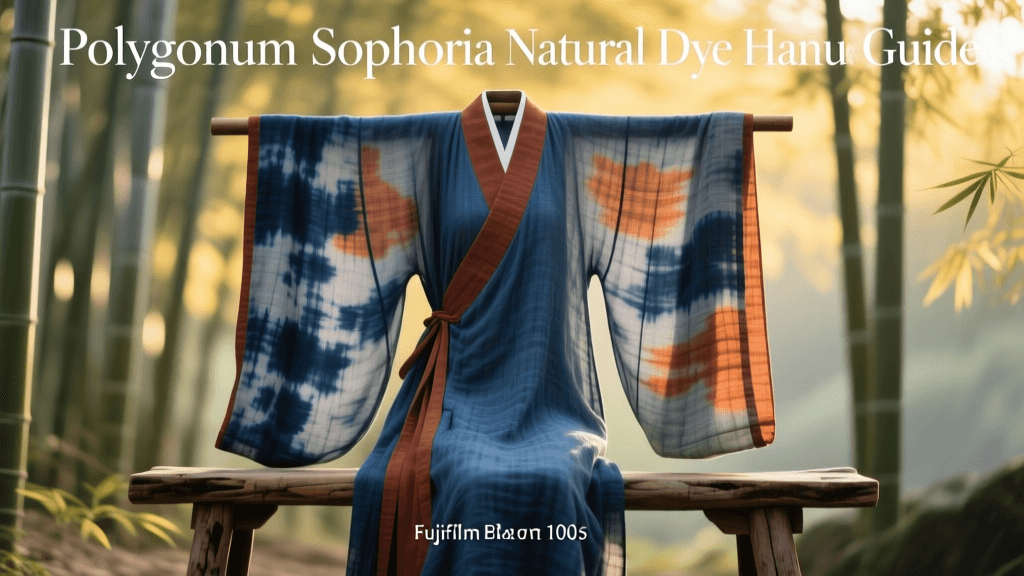
The 2026 Renaissance of Cao Mu Ran in Sustainable Fashion
The traditional Chinese art of cao mu ran (plant dyeing) is experiencing a massive renaissance in 2026. As the global fashion industry faces stricter environmental regulations and consumers demand radical transparency, Hanfu enthusiasts, independent designers, and sustainable fashion houses are turning back to ancient Chinese botanical dyes. The modern Hanfu movement is no longer just about historical silhouette accuracy; it is deeply intertwined with the eco-conscious ethos of the 2020s. Wearing a garment dyed with traditional Chinese plants is now a statement of both cultural pride and environmental stewardship.
The environmental toll of synthetic dyes is well-documented. According to the United Nations Environment Programme (UNEP), the fashion industry remains one of the largest consumers of water globally, with synthetic dyeing processes contributing heavily to wastewater pollution. In 2026, the shift toward circular fashion and closed-loop water systems has made natural dyes not just a niche artisanal hobby, but a vital, scalable eco-friendly practice. By utilizing indigenous Chinese flora, dyers can achieve breathtaking, historically accurate colors while maintaining a zero-toxic footprint.
Top 3 Chinese Botanical Dyes for Sustainable Garments
While the global natural dye market often focuses on tropical varieties, China’s temperate and subtropical climates have birthed a unique pharmacopeia of dye plants. Here are the top three traditional Chinese plants dominating the eco-textile space in 2026.
1. Liao Lan (Polygonum tinctorium) for Cerulean Blues
When discussing natural blue dyes, most people think of tropical Indigofera tinctoria. However, the traditional Chinese blue comes from Polygonum tinctorium, commonly known as Liao Lan or Chinese indigo. Thriving in the cooler, temperate regions of southern China, Liao Lan has been the cornerstone of Chinese blue dyeing for millennia. As noted by botanical experts at Kew Gardens, while Indigofera is prominent globally, regional variants like Polygonum offer unique chemical profiles that yield slightly cooler, more cerulean blue tones.
In 2026, the innovation of pre-reduced, organic Liao Lan vats has revolutionized home and studio dyeing. Historically, reducing indigo required harsh chemicals like sodium dithionite or highly alkaline wood ash lye. Today, bio-reduction techniques using fermented fruit sugars (like persimmon and jujube) allow dyers to maintain a living, chemical-free indigo vat that produces brilliant, colorfast blues on silk and ramie without aquatic toxicity.
2. Huai Hua (Sophora japonica) for Imperial Yellows
Huai Hua, the dried flower buds of the Pagoda Tree (Sophora japonica), is the premier source of yellow dye in Chinese history. Rich in the flavonoids rutin and quercetin, these unopened buds yield a brilliant, warm, and incredibly lightfast yellow. During the Ming and Qing dynasties, Huai Hua was strictly regulated, often reserved for imperial garments and high-ranking officials.
From a sustainability perspective, Huai Hua is a powerhouse. The trees are highly resilient, require minimal irrigation, and the buds are harvested without harming the tree's long-term health. In 2026, Huai Hua is widely favored by eco-designers for dyeing organic peace silk and hemp blends, offering a vibrant alternative to synthetic azo dyes which are increasingly being banned under new 2026 European and Asian textile safety mandates.
3. Qian Cao (Rubia cordifolia) for Vermilion Reds
Chinese Madder, or Qian Cao (Rubia cordifolia), is the traditional answer to crimson and vermilion reds. Unlike European madder (Rubia tinctorum), the Chinese variety contains a slightly different ratio of purpurin to alizarin, resulting in reds that lean beautifully toward orange and terracotta when dyed at lower temperatures, and deep, rich crimson when heated and mordanted with specific minerals. Sourcing wild-harvested Qian Cao from sustainable agroforestry projects in Yunnan province has become a major trend among premium Hanfu brands in 2026, supporting rural economies while preserving biodiversity.
Mordanting: Balancing Color Fastness and Ecology
A mordant is a substance used to set dyes on fabrics by forming a coordination complex with the dye, which then attaches to the fabric. In the past, heavy metals like chrome and tin were used, which are highly toxic. The 2026 standard for eco-friendly Hanfu dyeing strictly limits mordants to safe, biodegradable, or naturally occurring alternatives. Below is a comparison of the most common mordants used with Huai Hua today.
| Mordant Type | Chemical Composition | Color Shift on Huai Hua | 2026 Eco-Impact Rating | Avg. Cost (per 500g) |
|---|---|---|---|---|
| Potassium Aluminum Sulfate (Alum) | KAl(SO4)2 | Brightens Yellow | Moderate (Requires basic water treatment) | $12.00 |
| Ferrous Sulfate (Iron) | FeSO4 | Shifts to Olive/Bronze | Low (Toxic to aquatic life in high doses) | $15.00 |
| Symplocos (Plant-Based Alum) | Natural Aluminum Accumulator | Soft, Warm Yellow | High (100% Biodegradable, Zero heavy metals) | $28.00 |
Pro-Tip for 2026: Symplocos, a plant that naturally accumulates aluminum from the soil, has become the gold standard for zero-waste dye studios. Boiling dried Symplocos leaves creates a natural mordant bath that is entirely compostable, aligning perfectly with the circular fashion mandates of 2026.
Step-by-Step: Dyeing Ramie with Huai Hua
Ramie, a bast fiber native to East Asia, is highly sustainable and takes natural dyes beautifully. Here is a modern, eco-conscious method for dyeing a 500-gram Ramie Hanfu skirt using Huai Hua.
- Scouring (Preparation): Wash the raw ramie in a pH-neutral, plant-based eco-detergent at 60°C for 45 minutes. This removes natural waxes and pectins. Do not use synthetic fabric softeners, as they block dye absorption.
- Mordanting: Dissolve 75g (15% Weight of Fabric) of Alum in warm water. Submerge the damp ramie and simmer at 80°C for 60 minutes. Let it cool in the bath overnight for maximum fiber penetration.
- Dye Extraction: Place 100g of dried Huai Hua buds in a muslin bag. Submerge in 10 liters of filtered water. Slowly bring to a simmer (85°C) and hold for 60 minutes. The water will turn a deep, golden yellow. Remove the bag and squeeze out excess liquid.
- The Dye Bath: Add the mordanted, damp ramie to the dye bath. Maintain a gentle temperature of 70°C for 45 minutes, stirring gently with a wooden dowel to ensure an even, un-mottled finish.
- Oxidation and Rinsing: Remove the fabric and let it hang in the shade to oxidize. Rinse in cool, running water until the water runs completely clear. Hang to dry away from direct UV light to preserve the flavonoids.
Historical Context Meets Modern Science
"The art of dyeing is the art of coaxing the spirit of the plant into the thread, binding earth to garment."
— Adapted from Song Yingxing’s Tiangong Kaiwu (The Exploitation of the Works of Nature, 1637)
As documented in historical encyclopedias and verified by modern textile historians at institutions like the Encyclopædia Britannica's textile archives, the mastery of temperature and pH levels was intuitively understood by ancient Chinese dyers. Today, 2026’s digital pH meters and precision induction hot plates allow home dyers to replicate Ming dynasty perfection with scientific accuracy, eliminating the guesswork and reducing water waste from failed dye batches.
Sourcing, Pricing, and Wash Care in 2026
Sourcing high-quality, ethically harvested Chinese dye plants has become easier than ever, though prices have adjusted to reflect fair-trade farming practices. In early 2026, organic, shade-dried Huai Hua buds retail for approximately $35 to $45 per kilogram, while fermented Liao Lan paste (pre-reduced) averages $60 per kilogram. Specialized eco-textile marketplaces and direct-from-farm cooperatives in Guizhou and Yunnan now ship globally with carbon-neutral logistics.
Wash Care for Naturally Dyed Hanfu: Natural dyes are living colors. To maintain the vibrancy of your Huai Hua yellow or Liao Lan blue Hanfu in 2026, follow these strict care guidelines:
- Always use cold water (below 30°C) for washing.
- Use pH-neutral, eco-friendly liquid detergents. Avoid powdered detergents, as they often contain high-alkaline builders and optical brighteners that will strip natural flavonoids and indigotin.
- Never use bleach or enzymatic stain removers.
- Dry in the shade. While natural dyes have good lightfastness, prolonged direct UV exposure will gradually shift the tones of plant-based colors over time.
Conclusion: The Future is Rooted in the Past
The integration of traditional Chinese natural dye plants into modern Hanfu creation is more than a passing aesthetic trend; it is a vital component of the 2026 sustainable fashion ecosystem. By choosing Liao Lan, Huai Hua, and Qian Cao, makers and wearers alike are reducing aquatic pollution, supporting regenerative agriculture, and keeping centuries of profound botanical knowledge alive. As the fashion world continues to seek sustainable alternatives, the ancient wisdom of cao mu ran proves that the most innovative solutions for our future are often rooted deeply in our past.