Kimono vs Hanbok vs Cheongsam: 2026 Buyer & Style Guide
The Renaissance of Asian Heritage Fashion in 2026
As we navigate the global fashion landscape of 2026, the appreciation for Asian traditional garments has evolved from mere ceremonial necessity to a celebrated pillar of sustainable, heritage-focused wardrobes. The kimono of Japan, the hanbok of Korea, and the cheongsam (qipao) of China represent three distinct philosophies of tailoring, silhouette, and cultural expression. Whether you are attending a formal wedding, participating in a cultural festival, or looking to invest in a timeless piece of sartorial art, understanding the structural and stylistic differences between these garments is essential.
This comprehensive guide breaks down the anatomy, modern 2026 trends, custom tailoring costs, and care requirements for the kimono, hanbok, and cheongsam, helping you make an informed decision for your next formal or cultural event.
The Japanese Kimono: Elegance in Linear Structure
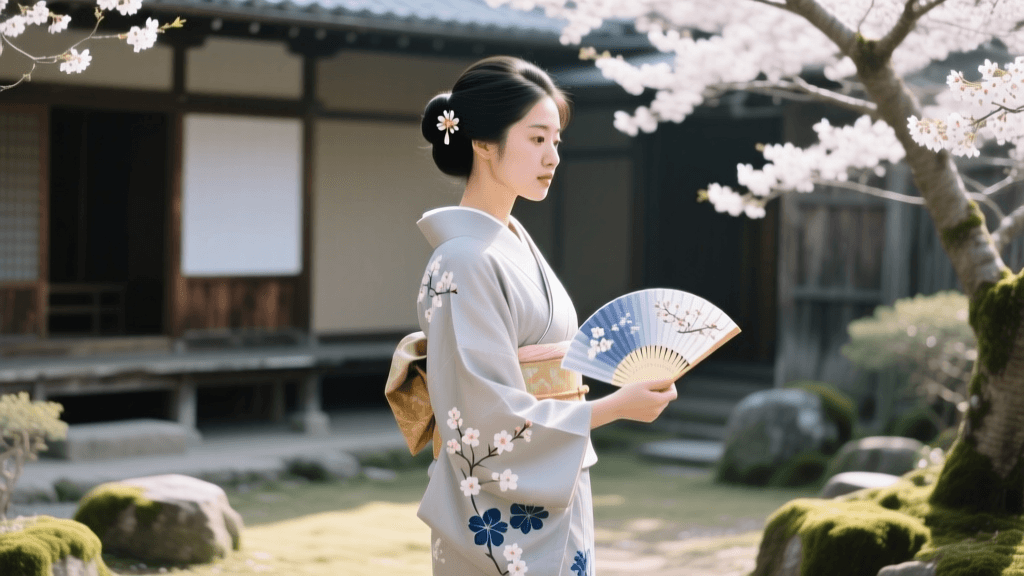
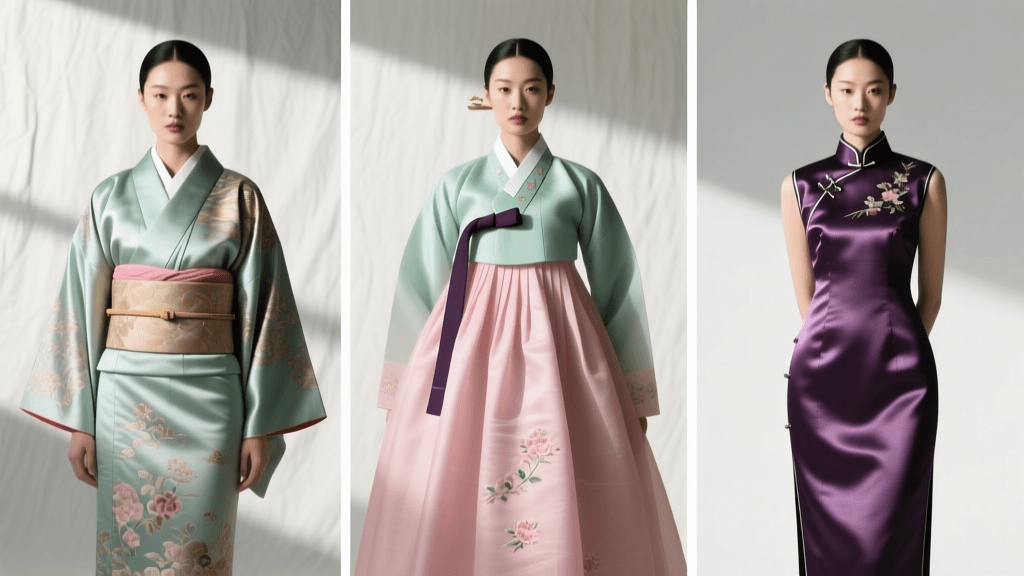
The kimono is defined by its T-shaped, straight-seamed construction. Unlike Western tailoring, which cuts fabric to follow the curves of the body, the kimono wraps the wearer in a continuous, unbroken line. According to the Metropolitan Museum of Art, the kimono's structural brilliance lies in its flat geometry, which allows the garment to be folded completely flat for storage while presenting a canvas for elaborate surface design.
Fabrics and 2026 Innovations
Traditional formal kimono are crafted from tango chirimen (silk crepe) or rinzu (silk damask). However, the 2026 market has seen a massive surge in high-performance, washable silk-blends and lab-grown spider silk alternatives that mimic the drape of vintage silk without the environmental footprint of traditional sericulture. For summer events, ro and sha (woven gauze silks) remain the gold standard for breathability.
Modern Styling and Pricing
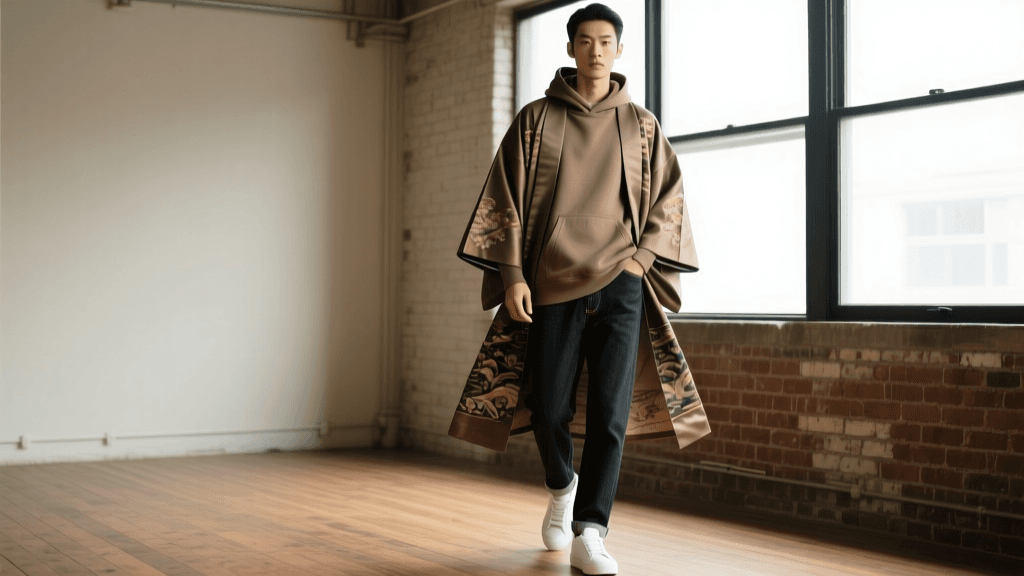
In 2026, the 'neo-kimono' movement encourages pairing vintage silk kimono with modern accessories like structured leather boots or minimalist metallic obi belts. A brand-new, custom-dyed formal silk kimono (such as a furisode or kurotomesode) typically ranges from $4,500 to $12,000 USD. Conversely, the thriving upcycled and vintage market offers exquisite pre-loved pieces between $150 and $400, making heritage fashion highly accessible.
The Korean Hanbok: Volume, Vibrancy, and Flow
The hanbok is characterized by its striking contrast between a fitted upper garment and a voluminous lower half. For women, this consists of the jeogori (a short jacket) and the chima (a full, bell-shaped skirt). For men, it is the jeogori paired with baji (roomy trousers). As noted by Encyclopedia Britannica, the hanbok's design inherently masks the body's natural shape, instead creating a fluid, dynamic silhouette that moves beautifully with the wearer.
The 'Daily Hanbok' and Eco-Ramie
While traditional silk hanbok remain the standard for weddings and Chuseok celebrations, 2026 is dominated by the 'daily hanbok' (saenghwal hanbok). These modernized iterations feature slightly longer jeogori for modesty, hidden side pockets, and machine-washable cotton-linen blends. Furthermore, sustainable mosi (ramie) woven with eco-friendly, plant-based dyes has become a highly sought-after textile for summer hanbok, offering a crisp, cooling drape that rivals high-end linen.
Investment and Sizing
A custom-tailored, traditional silk hanbok from a master artisan in Seoul's Bukchon district will cost between $1,800 and $3,500 USD in 2026. Modernized daily hanbok sets from contemporary Korean designers are much more affordable, generally retailing from $120 to $280. Because the chima is tied above the bust, sizing is remarkably forgiving, requiring only accurate bust and shoulder measurements for the jeogori.
The Chinese Cheongsam (Qipao): Form and Fluidity
Originating in the 1920s as a modernization of Manchu dress, the cheongsam (or qipao) is celebrated for its form-fitting silhouette, mandarin collar, and intricate pankou (frog fasteners). The Britannica entry on the Qipao highlights its evolution into a symbol of modern femininity, blending traditional Chinese motifs with Western darting and tailoring techniques to accentuate the natural figure.
Modular Designs and Stretch Brocades
The most significant innovation in 2026 cheongsam design is the rise of modular elements. Designers are introducing detachable collars, interchangeable sleeve lengths, and wrap-style closures that maintain the illusion of a traditional side-slit gown while offering the ease of a wrap dress. Additionally, the integration of elastane into traditional xiangyunsha (gambiered canton silk) and heavy brocades has solved the historical issue of restricted movement, allowing for all-day comfort at formal galas.
Tailoring Costs and Fit
The cheongsam demands the most precise tailoring of the three garments. A bespoke cheongsam from a master tailor in Shanghai or Hong Kong, featuring hand-rolled hems and custom-knotted frog buttons, starts around $1,200 and can exceed $4,000 for intricate, hand-embroidered silk. Ready-to-wear options utilizing stretch-silk blends are widely available online for $200 to $500, though they often require minor alterations to achieve the perfect contour.
2026 Garment Comparison Chart
| Feature | Kimono (Japan) | Hanbok (Korea) | Cheongsam / Qipao (China) |
|---|---|---|---|
| Silhouette | T-shaped, linear, conceals body shape | Fitted top, highly voluminous skirt/pants | Form-fitting, contoured, side slits |
| Primary Fastening | Obi (wide sash) tied at the back | Ribbon ties (goreum) and skirt waistbands | Pankou (frog buttons) and hidden zippers |
| 2026 Custom Cost | $4,500 - $12,000 (Formal Silk) | $1,800 - $3,500 (Formal Silk) | $1,200 - $4,000 (Bespoke Brocade/Silk) |
| Ideal Occasions | Tea ceremonies, coming-of-age, weddings | Holidays, weddings, cultural performances | Galas, evening banquets, cocktail events |
| Maintenance Level | High (requires specialized folding and airing) | Medium (skirts can be hung, jackets folded) | Medium (must be padded and hung carefully) |
Sizing, Tailoring, and 2026 Technology
The landscape of custom tailoring has been revolutionized in 2026 by AI-driven 3D body scanning applications. Instead of relying on standard sizing charts, buyers can now use their smartphone cameras to generate a precise 3D mesh of their body. This data is sent directly to heritage ateliers in Kyoto, Seoul, or Shanghai, ensuring that the darting on a cheongsam or the shoulder drop of a hanbok jeogori is mathematically perfect before a single piece of fabric is cut.
Stylist Tip for 2026: When ordering a custom cheongsam, always request a 'comfort ease' of at least 1.5 inches around the ribcage and hips. Modern stretch fabrics can be deceptive; a garment that fits perfectly while standing may restrict breathing when seated at a formal dinner.
Care, Storage, and Maintenance
Preserving these heritage garments requires specific environmental controls, especially as global humidity patterns shift.
- Kimono: Never hang a silk kimono on a wire or wooden hanger for long periods, as the weight will distort the shoulder seams. They must be folded along their natural seams and wrapped in acid-free tatoushi paper. Store in a cedar chest to naturally repel moisture and insects.
- Hanbok: The voluminous chima can be hung on a padded hanger to preserve the pleats, but the jeogori should be folded to prevent the delicate ribbon ties from stretching. Avoid direct sunlight, which rapidly fades the vibrant natural dyes used in modern eco-hanbok.
- Cheongsam: Hang on wide, padded satin hangers to maintain the shoulder structure. If the garment features heavy beading or embroidery, store it flat in a breathable cotton garment bag to prevent the weight of the embellishments from tearing the silk base over time.
Conclusion
Choosing between a kimono, hanbok, and cheongsam ultimately depends on the silhouette you wish to project and the nature of your event. The kimono offers unparalleled structural elegance and a canvas for textile art; the hanbok provides joyous volume, vibrant color blocking, and ease of movement; while the cheongsam delivers sophisticated, tailored glamour. By leveraging 2026's sustainable textile innovations and AI-assisted tailoring, you can invest in a piece of Asian heritage that fits flawlessly and honors centuries of sartorial tradition.