Kimono Couture on Global Runways: 2026 Trend Guide

The Renaissance of the Kimono in 2026 Haute Couture
The global fashion landscape of 2026 has witnessed a profound structural and aesthetic shift, moving away from the fleeting, superficial exoticism of past decades toward a deep, respectful integration of traditional Asian garments. At the forefront of this movement is the Japanese kimono. During the Spring/Summer and Autumn/Winter 2026 Fashion Weeks in Paris, Milan, and Tokyo, the kimono’s iconic T-shaped silhouette, zero-waste pattern cutting, and emphasis on surface artistry have become foundational elements for both heritage fashion houses and avant-garde emerging designers.
Unlike the problematic 'costume' interpretations of the early 2010s, the 2026 runway approach is rooted in sartorial anthropology and sustainable innovation. Designers are collaborating directly with master weavers in Kyoto’s Nishijin district and utilizing deadstock Meiji and Taisho-era silks to create breathtaking modern couture. As noted by the Victoria and Albert Museum's comprehensive textile archives, the kimono is fundamentally a garment of surface design and structural simplicity, a concept that perfectly aligns with the 2026 luxury fashion mandate of mindful consumption and modular dressing.
Key Kimono Elements Dominating the 2026 Runways
To understand how traditional Japanese clothing is influencing contemporary high fashion, we must deconstruct the specific elements that designers are adapting for the modern wardrobe.
The Deconstructed Obi
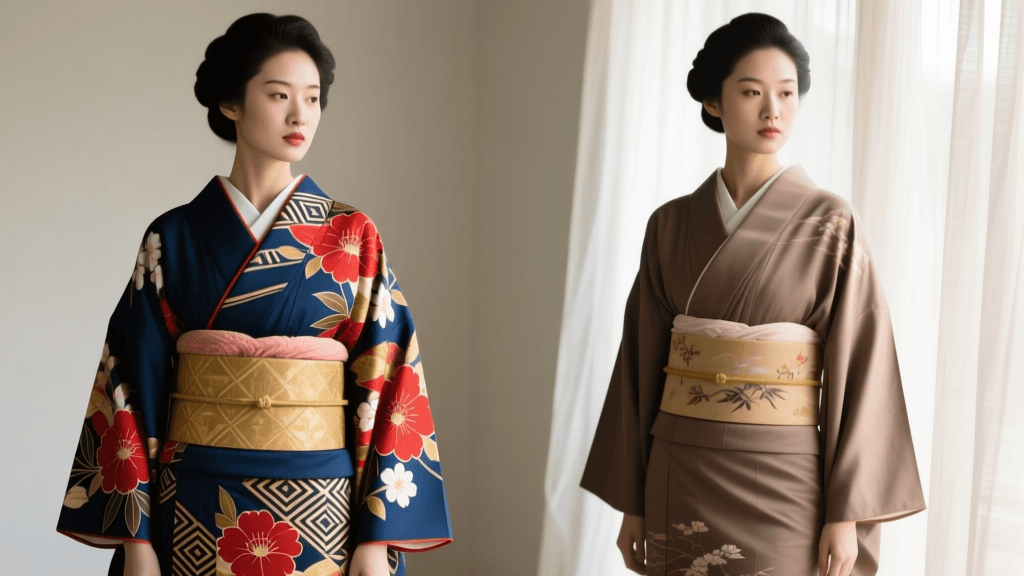
The obi, traditionally a wide, tightly bound silk sash used to secure the kimono, has been radically reimagined on the 2026 runways. Rather than serving merely as a waist-cincher, the obi is being deconstructed into modular corsetry and architectural utility belts. In Paris, several prominent luxury houses showcased obi-inspired belts crafted from stiff, upcycled brocade that wrap asymmetrically over fluid silk slip dresses, providing structural contrast. These pieces often feature the traditional taiko musubi (drum knot) reinterpreted as removable, sculptural back-pieces that double as evening bags.
Furisode Sleeves in Modern Outerwear
The furisode, characterized by its long, dramatic, swinging sleeves historically worn by unmarried women, has transcended its ceremonial roots. In 2026, the furisode sleeve is a dominant feature in gender-fluid evening outerwear. Designers are utilizing lightweight, semi-sheer organza and bio-engineered silks to create exaggerated sleeves that trail elegantly behind the wearer. The deep, box-like pouch of the traditional sleeve is being utilized functionally in modern runway coats, serving as hidden, oversized pockets that maintain the garment's clean, unbroken exterior lines.
The Haori as the New Gender-Fluid Blazer
Perhaps the most commercially successful adaptation this year is the elevation of the haori (the traditional kimono jacket). According to historical analyses from the Metropolitan Museum of Art, the kosode and subsequent layered garments evolved to reflect social status and seasonal changes. Today, the haori has replaced the Western tailored blazer as the ultimate 2026 power garment. Cut with the traditional straight seams but crafted from modern, wrinkle-resistant technical wools and vegan leathers, the runway haori offers a relaxed, open-front silhouette that drapes effortlessly over wide-leg trousers and minimalist knitwear.
Runway Adaptation vs. Traditional Garment: A Comparison
Understanding the distinction between the authentic traditional garment and its high-fashion 2026 interpretation is crucial for both collectors and fashion journalists. Below is a comparative analysis of how core elements have evolved on the runway this year.
| Garment Element | Traditional Form & Function | 2026 Runway Adaptation |
|---|---|---|
| Silhouette | T-shaped, straight seams, zero-waste cutting | Asymmetrical draping, modular layering, bias-cut hybrid panels |
| Obi (Sash) | Wide silk, tightly bound, secures the garment | Deconstructed corsetry, utility belts, sculptural detachable knots |
| Sleeves (Sode) | Box-like, attached at the shoulder, open at the back | Exaggerated furisode drape, detachable sleeves, hidden pocket pouches |
| Textile | Yuzen-dyed silk, Nishijin-ori brocade, rinzu | Upcycled deadstock vintage silk, bio-silk blends, technical wools |
| Closure | Left over right wrap, secured entirely by the obi | Magnetic hidden clasps, wrap-ties integrated into side seams |
Sustainability: Upcycling Deadstock and Vintage Silk
The most significant driver of the kimono’s 2026 runway resurgence is the global fashion industry's aggressive pivot toward circularity. Japan possesses vast archives of vintage, unworn, or slightly damaged kimono silks from the early 20th century. Because the traditional kimono is constructed from straight bolts of fabric (the tanmono) without cutting away excess material, these garments can be carefully unpicked, cleaned, and re-draped into entirely new silhouettes.
This year, fashion industry watchdogs tracking the Tokyo Fashion Week circuit have highlighted a massive increase in collections utilizing Boro (mended patchwork) and Sashiko (decorative reinforcement stitching) techniques. High-end designers are partnering with rural Japanese artisans to repair and elevate damaged vintage silks, transforming them into $4,000+ couture patchwork trench coats. This not only preserves the environment by utilizing existing textiles but also injects capital into aging artisan communities, ensuring the survival of heritage needlework techniques.
How to Incorporate Runway-Inspired Kimono Pieces in 2026
For the sartorially inclined consumer looking to translate these runway trends into a functional 2026 wardrobe, the key lies in balancing traditional volume with modern minimalism. Here is actionable advice for sourcing and styling these pieces:
- Sourcing Authentic Vintage: Skip the mass-produced 'kimono-style' wrap dresses found in fast-fashion outlets. Instead, source authentic vintage haori or michiyuki (kimono overcoats) from specialized online archives based in Kyoto or Tokyo's Jimbocho district. Expect to invest between $150 and $450 for a high-quality, mid-century silk piece in excellent condition.
- Investing in Neo-Kimono Outerwear: If you prefer modern construction with traditional aesthetics, look for contemporary designers offering 'Neo-Kimono' wrap coats. These garments feature the wide sleeves and lapels of a kimono but include modern tailoring elements like structured shoulders and internal pocketing. Retail prices for luxury sustainable brands currently range from $1,200 to $3,500.
- Styling for the Modern Silhouette: The runway rule for 2026 is contrast. Pair a voluminous, heavily patterned silk haori with stark, monochromatic, wide-leg tailored trousers and minimalist leather loafers. Avoid wearing traditional kimono accessories (like zori sandals or tabi socks) unless you are wearing a full, authentic kimono ensemble; mixing traditional footwear with modern western clothing can appear costumey rather than couture.
- The Obi Belt Hack: Purchase a vintage, stiff silk obi from an antique textile dealer. Use it as a statement belt over a sleek, tailored 2026 trench coat or a minimalist sheath dress. The rigid structure of the brocade provides an incredible architectural element to soft fabrics.
Navigating Cultural Appreciation vs. Appropriation
As the kimono continues to captivate international design houses, the conversation surrounding cultural appreciation versus appropriation remains highly relevant in 2026. True appreciation on the runways this year is marked by transparency, collaboration, and respect for the garment's rules.
'The kimono is not merely a shape; it is a canvas of cultural memory, seasonal awareness, and social coding. To borrow its silhouette without understanding its soul is to miss the very essence of Japanese design.'
Designers who are succeeding in this space are those who credit their Japanese artisan collaborators on the show notes, avoid mixing sacred or highly specific ceremonial motifs (such as wedding crests or funerary colors) into casual resort wear, and respect the fundamental 'left over right' wrapping rule of the kimono. (Wrapping right over left is strictly reserved for dressing the deceased in Japanese culture, and seeing this error on a Parisian runway remains a major faux pas).
Conclusion
The integration of the kimono into the 2026 global runway circuit represents a maturation of the fashion industry’s relationship with Asian traditions. By focusing on the genius of the kimono’s zero-waste construction, the artistry of its silk weaving, and the dramatic elegance of its silhouette, modern designers are paying homage to a centuries-old garment while pushing the boundaries of contemporary haute couture. Whether through an upcycled vintage haori or a meticulously tailored Neo-Kimono coat, the legacy of Japan's national dress continues to shape the future of global fashion.