Geta & Zori Craftsmanship: Traditional Japanese Footwear 2026
The Sensory and Cultural Resonance of Japanese Footwear
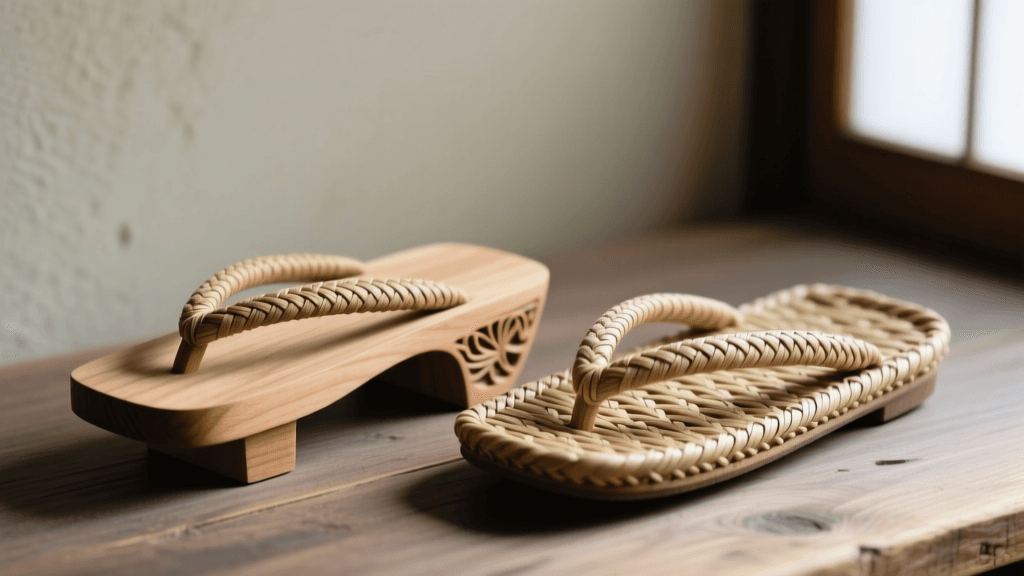
The rhythmic karan-koron (clack-clack) of wooden geta echoing through a cobblestone alley is one of the most evocative sensory experiences in Japan. Far more than mere accessories, traditional Japanese footwear represents a profound intersection of ergonomics, natural material utilization, and Zen mindfulness. In 2026, as the global fashion industry pivots heavily toward sustainable, slow-fashion paradigms, the artisanal craft of geta (wooden clogs) and zori (flat woven sandals) is experiencing a vibrant renaissance. Modern consumers and international designers are increasingly looking to these heritage items not just as ceremonial garments, but as functional, eco-conscious footwear for everyday life.
Walking in traditional Japanese footwear requires a distinct shift in posture and gait. Unlike Western shoes that encourage a heel-strike walking pattern, geta and zori naturally promote a mid-foot or forefoot strike. This biomechanical shift engages the calf muscles, aligns the spine, and transforms a simple walk into a grounding, meditative practice. Today, we explore the meticulous craftsmanship, material science, and modern styling of these iconic garments in the current 2026 landscape.
The Anatomy of Traditional Japanese Footwear
To appreciate the craft, one must first understand the structural anatomy that defines Japanese footwear. While Western shoes are constructed around a rigid, enclosed last, Japanese sandals are built on an open, modular platform designed for breathability and ease of repair.
- Dai (Base): The main board or sole of the footwear. In geta, this is carved from a single piece of wood; in zori, it is a tightly woven or layered core.
- Ha (Teeth): The wooden supports underneath a geta. Standard geta feature two teeth, while specialized styles like the tengu-geta feature a single central tooth, requiring immense balance and ankle strength.
- Hanao (Thong): The Y-shaped strap that secures the foot. Traditionally made from braided cotton, silk, or hemp, the hanao is the most customizable and frequently replaced component of the footwear.
- Mae-tsubo (Front Knob): The central anchor point where the three straps of the hanao converge, situated between the first and second toes.
Materials and Artisanal Techniques in 2026
The soul of a premium geta lies in its wood. Master artisans predominantly utilize kiri (paulownia) wood. Paulownia is remarkably lightweight, highly resistant to moisture and rot, and possesses natural thermal insulating properties. In 2026, sustainable forestry initiatives in regions like Tohoku and Hiroshima have ensured that paulownia harvesting remains eco-friendly, with new saplings planted for every mature tree felled.
For zori, the premier material is igusa (soft rush), the same plant used to weave traditional tatami mats. Igusa is prized for its ability to wick away moisture, keeping the foot cool and dry during Japan's notoriously humid summers. According to the Ministry of Economy, Trade and Industry (METI), the designation of traditional craft products has been vital in 2026 for protecting the specialized igusa weaving techniques of Kumamoto prefecture, ensuring that master weavers can pass their knowledge to a new generation of apprentices.
Furthermore, the integration of modern technology has subtly enhanced traditional craft. While the carving of the dai remains a hand-finished art, some progressive workshops in Kyoto are now utilizing 3D foot-scanning to carve custom paulownia footbeds that perfectly match the arch and toe splay of international clients, marrying ancient woodworking with 2026 ergonomic science.
Comparison Chart: Navigating Japanese Footwear Styles
Choosing the right footwear depends heavily on the occasion, the garment being worn, and the environment. Below is a structured comparison of the primary styles available in the modern market.
| Footwear Type | Base Material | Best Use Case | Formality Level |
|---|---|---|---|
| Geta | Paulownia / Cedar Wood | Casual wear, festivals, yukata, rainy weather | Informal to Semi-Formal |
| Zori (Igusa) | Woven Rush Grass | Summer wear, casual kimono, indoor/outdoor transition | Informal |
| Zori (Brocade) | Silk / Synthetic Brocade over Cork | Formal kimono, tea ceremonies, weddings | Highly Formal |
| Setta | Leather / Woven Bamboo with Iron Heel | Traditional artisans, martial artists, everyday street wear | Semi-Formal / Masculine |
Selecting and Fitting Your First Pair
The most common mistake Western consumers make when purchasing geta or zori is selecting a size that is too large. In Western shoemaking, the foot must be entirely enclosed and protected. In Japanese footwear design, the foot is meant to overhang slightly. As noted by cultural experts at Japan Guide, proper fit is essential for both the aesthetic drape of the kimono and the biomechanics of the stride.
When fitting a pair in 2026, look for a heel overhang of approximately 1 to 2 centimeters. This slight overhang prevents the heel from striking the back edge of the wooden dai during walking, which can cause splintering and discomfort. Furthermore, the hanao should be adjusted so that the foot sits securely without the toes gripping the strap; the weight should be distributed evenly across the arch and the ball of the foot.
The 2026 Artisan Revival and Circular Fashion
One of the most exciting developments in the 2026 traditional garment sector is the embrace of circular fashion principles inherent in Japanese footwear design. A high-quality paulownia geta base can last for decades. When the hanao frays or breaks, it is not discarded; it is simply re-strung. Specialty repair shops in Tokyo and Kyoto have reported a surge in 'hanao upcycling,' where clients bring in vintage or inherited wooden bases and commission new straps made from upcycled silk kimono remnants or sustainable hemp blends.
This modularity stands in stark contrast to the planned obsolescence of modern fast-fashion footwear. The Victoria and Albert Museum has frequently highlighted how the structural evolution of Japanese garments inherently supports sustainability, a concept that has fully entered the mainstream consciousness of the 2026 ethical fashion movement.
Styling Geta and Zori in Contemporary Wardrobes
While traditionally paired with yukata or kimono, the styling of Japanese footwear has expanded dramatically. In 2026, international streetwear and avant-garde fashion frequently incorporate geta and setta. Styling them with wide-leg linen trousers, cropped denim, or minimalist architectural dresses creates a striking silhouette that honors the footwear's heritage while pushing it into contemporary aesthetics.
For men, the setta—a flat sandal with a leather sole and a distinctive metallic ring at the heel—has become a staple in the modern 'workwear' and heritage fashion scenes. The sharp sharin (ring) sound it makes when walking provides a subtle, sophisticated auditory signature that appeals to those who appreciate sensory details in their clothing.
Care and Maintenance for Longevity
Preserving natural materials requires mindful care. Paulownia wood is naturally resistant to water, but it can darken and accumulate dirt oils from bare feet over time. Artisans recommend gently sanding the surface of the wood with fine-grit sandpaper once a year to reveal the fresh, fragrant timber beneath. For igusa zori, a soft, dry brush should be used to remove dust from the woven crevices. Never store igusa in damp, unventilated areas, as natural rush grass requires a dry environment to maintain its structural integrity and sweet, grassy aroma.
Conclusion: Stepping into Heritage
The craft of geta and zori is a testament to the Japanese philosophy of finding profound beauty and utility in natural, unadorned materials. As we navigate the fashion landscape of 2026, the choice to wear traditional Japanese footwear is more than a stylistic preference; it is an endorsement of artisanal preservation, sustainable material cycles, and a mindful approach to how we move through the world. Whether you are stepping onto the wooden verandas of a Kyoto temple or navigating the paved streets of a modern metropolis, the enduring craft of the geta and zori offers a grounded, rhythmic connection to centuries of cultural heritage.