Kimono vs Yukata vs Hakama: Complete 2026 Styling Guide
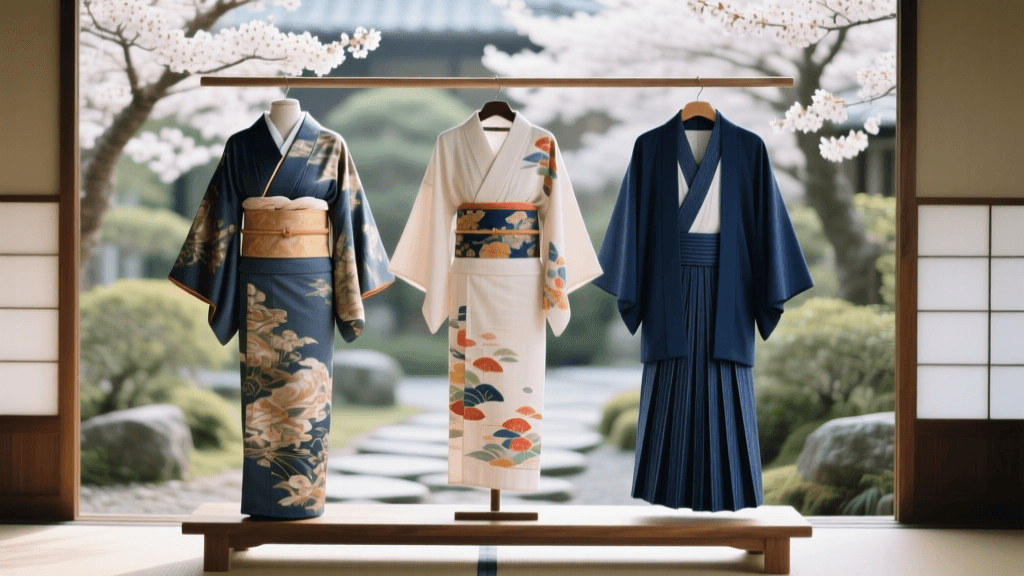
The Resurgence of Japanese Garments in 2026
Japanese traditional garments have transcended their historical boundaries, evolving from strictly ceremonial wear into dynamic elements of global and domestic fashion. As we navigate 2026, the intersection of heritage craftsmanship and contemporary sustainability has sparked a massive revival in traditional Japanese dress. Whether you are attending a summer matsuri, a formal tea ceremony, or a university graduation, understanding the nuances between the kimono, yukata, and hakama is essential. This comprehensive guide breaks down the construction, modern styling, and 2026 market pricing for these iconic garments, helping you make informed choices for your wardrobe.
Kimono: The Pinnacle of Formal Elegance
The word 'kimono' literally translates to 'thing to wear' (ki = wear, mono = thing), but in modern contexts, it refers specifically to the formal, T-shaped, straight-lined robe worn with the left side wrapped over the right. According to the Metropolitan Museum of Art, the kimono's basic structure has remained remarkably consistent since the Edo period, though the textiles and motifs have continually evolved to reflect seasonal and social changes.
Types of Kimono
- Furisode: The most formal kimono for unmarried women, characterized by long, swinging sleeves that can reach up to 114 centimeters. In 2026, custom-dyed Furisode with subtle metallic threading remain highly sought after for Coming of Age Day (Seijin no Hi).
- Homongi: A formal visiting kimono for married and unmarried women. The patterns flow seamlessly across the seams. It is the standard for weddings and high-level tea ceremonies.
- Komon: A casual kimono featuring a repeating pattern. It is perfect for town wear, dining out, and casual cultural classes.
2026 Market Trends and Pricing
The 2026 textile market has seen a significant shift toward sustainable and vintage silks. A brand-new, artisan-crafted Homongi from a Kyoto atelier currently starts around 350,000 JPY (approximately 2,300 USD). However, the booming vintage market in Tokyo's Shimokitazawa and Otsuka districts allows buyers to source authenticated Showa-era silk kimono for as little as 15,000 to 30,000 JPY (100 to 200 USD), making traditional silk more accessible than ever.
Yukata: Breathable Casuals for Summer Matsuri
While the Encyclopedia Britannica notes that the yukata originated as a cotton bathing robe for the nobility, it has transformed into the definitive summer garment for festivals and fireworks displays. Unlike the formal kimono, the yukata is unlined and made from breathable fabrics, eliminating the need for the complex undergarments (juban) required for silk kimono.
Fabrics and Modern Innovations
Traditionally made from indigo-dyed cotton, the 2026 yukata market is dominated by innovative hemp-cotton blends and advanced moisture-wicking synthetic-cotton mixes designed to combat increasingly hot Japanese summers. These modern fabrics drape beautifully, resist wrinkling, and can be machine-washed on gentle cycles—a massive selling point for contemporary buyers.
Styling the Yukata
Yukata are worn with a hanhaba obi (a half-width, casual belt) and geta (wooden clogs). In 2026, styling trends heavily favor minimalist, solid-colored yukata paired with bold, geometric obi knots, such as the 'bunko' (bow) or the intricate 'karuta' knot. Accessorizing with modern resin hair ornaments and woven rattan bags bridges the gap between traditional festival wear and modern street style.
Hakama: Pleated Tradition for Ceremonies
The hakama is a traditional Japanese garment worn over a kimono, resembling wide, pleated trousers or a long skirt. Historically worn by samurai to protect their legs while riding horses, the hakama is now a symbol of academic achievement, martial arts discipline, and Shinto priesthood. The Victoria and Albert Museum highlights the hakama's structural complexity, noting its deep cultural resonance in Japanese rites of passage.
The Anatomy of Pleats
A standard formal hakama features seven deep pleats: five in the front and two in the back. These pleats are traditionally said to represent the seven virtues of the samurai: benevolence, courtesy, wisdom, sincerity, justice, loyalty, and honor. The garment is secured by four long ties (himo) that wrap around the waist.
Variations: Umanori vs. Andon
- Umanori (Horse-riding): Divided like trousers. This is the standard for martial arts (Aikido, Kendo, Kyudo) and formal menswear.
- Andon (Lantern): Undivided, resembling a long pleated skirt. This style is predominantly worn by women over a kimono for university graduations and formal tea ceremonies.
2026 Comparison Chart: Kimono vs. Yukata vs. Hakama
| Garment | Formality Level | Primary Fabric (2026) | Avg. Retail Cost (USD) | Best Occasion |
|---|---|---|---|---|
| Kimono (Homongi) | High / Formal | Woven Silk, Crepe | $1,500 - $3,000+ | Weddings, Tea Ceremonies |
| Yukata | Low / Casual | Cotton, Hemp-Blend | $40 - $150 | Summer Festivals, Ryokan |
| Hakama (Andon) | Medium / Formal | Polyester, Silk Blend | $120 - $400 | Graduations, Martial Arts |
Modern Styling and Footwear in 2026
The rigid rules of traditional Japanese dress have relaxed significantly by 2026, allowing for highly personalized styling. One of the most prominent trends is the integration of contemporary footwear. While traditional zori (flat sandals with a toe thong) remain the standard for formal kimono, many modern wearers are pairing vintage Komon kimono with sleek, minimalist leather ankle boots during the autumn and winter months.
Furthermore, the tabi sock—traditionally white cotton with a split toe—has seen a design revolution. In 2026, you can easily find tabi socks featuring lace patterns, bold embroidery, and even thermal fleece linings for winter wear. For hakama wearers, lace-up leather boots have almost entirely replaced traditional zori for university graduation ceremonies, offering better support and a modernized silhouette.
Sizing, Tailoring, and the Ohashori
Unlike Western clothing, kimono are not tailored to exact body measurements off the rack. They are sold in standard lengths and widths, and the fitting is achieved through the dressing process. The most critical element of a properly worn women's kimono is the ohashori—the horizontal fold created at the waist to adjust the hem length. A neat, even ohashori is considered a hallmark of elegant dressing.
For men, kimono are worn without an ohashori; the hem should fall exactly at the ankle bone. Because of this, men's kimono require more precise length measurements. In 2026, many online retailers offer virtual fitting tools where you input your height, hip circumference, and arm span to receive a perfectly matched vintage or custom-tailored garment.
Garment Care and Storage
Proper care is vital to preserving the longevity of these garments. Silk kimono should never be washed at home. Instead, they require professional cleaning by specialists who use traditional solvent methods to protect the delicate dyes. After wearing, a kimono should be hung on a wide, specialized bamboo hanger (emono-kake) in a well-ventilated room for a few hours to allow moisture and odors to dissipate before folding.
For long-term storage, the gold standard in 2026 remains the kiribako—a traditional box made from paulownia wood. Paulownia naturally regulates humidity and repels insects, creating the perfect microclimate for delicate silk textiles. If a kiribako is outside your budget, storing folded garments in breathable cotton wraps (tatou-shi) inside a cedar-lined drawer is an excellent, cost-effective alternative. Never store silk in plastic bins, as trapped moisture will quickly lead to mold and irreversible fabric degradation.
Final Thoughts on Building Your Wardrobe
Whether you are investing in a silk Homongi for a formal event, picking up a breathable hemp-blend yukata for summer travels, or donning a hakama to celebrate an academic milestone, understanding the distinct roles of these garments ensures you dress with both cultural respect and modern flair. The 2026 landscape of Japanese traditional fashion is more vibrant, accessible, and innovative than ever, inviting a new generation to wrap themselves in centuries of living history.