The Best Hanfu Styles for Qigong and Meditation 2026
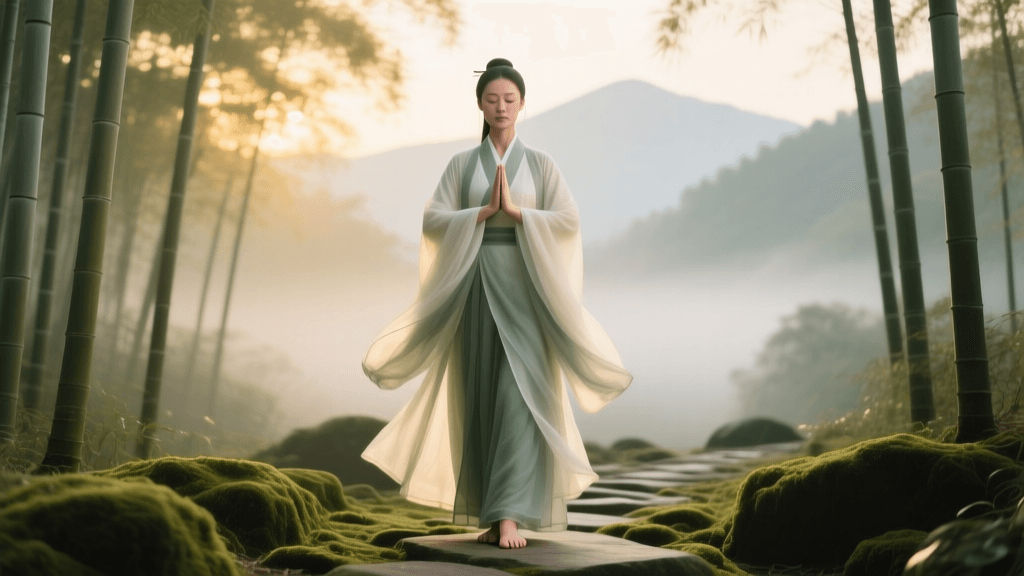
The year 2026 has ushered in a profound renaissance in holistic wellness, moving beyond the sterile, synthetic confines of modern activewear and returning to the deeply rooted wisdom of traditional garments. For practitioners of Chinese wellness arts—specifically Qigong, Tai Chi, and seated meditation—the clothing you wear is not merely a covering; it is an extension of your energetic body. At the intersection of ancient sartorial traditions and modern mindfulness, Hanfu (traditional Han Chinese clothing) has emerged as the ultimate wardrobe for cultivating Qi (vital energy).
Unlike contemporary compression wear, which restricts blood flow and lymphatic drainage to create a streamlined silhouette, traditional Hanfu is engineered to promote circulation, unobstructed breathwork, and a grounded connection to the earth. According to the National Qigong Association, the gentle, flowing movements of Qigong require a state of physical and mental relaxation, a state that is severely compromised by tight waistbands, restrictive armholes, and non-breathable synthetic fabrics. In this comprehensive guide, we explore the best Hanfu silhouettes, fabrics, and sizing strategies for your meditation and Qigong practice in 2026.
The Philosophy of Garment and Qi Flow
In Traditional Chinese Medicine (TCM), the body is mapped with a network of meridians—energy pathways that carry Qi to nourish organs and tissues. When clothing compresses the skin, it creates energetic blockages, particularly around major meridian gates such as the wrists, ankles, waist, and neck. The World Health Organization has increasingly recognized the value of traditional medicine and holistic practices, noting their role in preventive health and mental well-being. To fully benefit from these practices, the physical environment of the body must remain open.
Hanfu inherently respects the body's energetic topology. The cross-collar (Jiaoling Youren) leaves the throat chakra and the Ren Mai (Conception Vessel) unencumbered, while the wide, flowing sleeves allow for the free circulation of Qi down the arms and out through the Lao Gong acupressure points in the palms—a critical focal point during Qigong energy emission exercises.
Top Hanfu Silhouettes for Breathwork and Movement
1. The Daopao (Daoist Robe)
Historically worn by scholars and Daoist monks, the Daopao is the undisputed champion of meditation wear. Characterized by its wide sleeves, side slits, and loose, unstructured fit, the Daopao allows for complete diaphragmatic expansion. During deep abdominal breathing (Dan Tian breathing), the robe drapes elegantly over the expanding belly without resistance. In 2026, modern wellness brands have updated the Daopao with hidden inner ties to keep the cross-collar securely in place during dynamic movements like the 'Eight Brocades' (Ba Duan Jin), ensuring you aren't constantly adjusting your neckline.
2. Songku (Wide-Leg Trousers)
For standing meditations like Zhan Zhuang (Standing Like a Tree), lower body grounding is essential. The Songku features a high, gathered waistband secured by a fabric tie rather than elastic, preventing compression of the lower Dan Tian (the body's primary energy center located just below the navel). The legs are exceptionally wide, tapering gently at the ankle. This design allows for deep horse stances (Ma Bu) and facilitates the upward flow of earth energy through the Yong Quan points on the soles of the feet.
3. Banbi (Half-Sleeve Vest) for Layering
Meditation retreats often involve transitioning between active Qigong in the morning sun and static, seated meditation in cool, shaded pavilions. The Banbi is a traditional half-sleeve or sleeveless vest worn over a base layer. It provides core warmth—protecting the vital organs and the Mingmen (Gate of Life) on the lower back—without restricting shoulder rotation or arm elevation.
Material Science: Fabrics that Breathe with Your Prana
The fabric of your Hanfu dictates how your body interacts with the external environment. In 2026, the market has seen a massive shift toward heritage weaving techniques and eco-friendly natural dyes that align with the ethos of wellness practitioners.
| Fabric Type | Weight & Drape | Breathability | Best Wellness Practice | 2026 Avg. Price (USD) |
|---|---|---|---|---|
| Raw Hemp (Da Ma) | Medium-Heavy, Structured | Exceptional | Grounding, Zhan Zhuang, Outdoor Qigong | $90 - $140 |
| Xiangyunsha (Gambiered Silk) | Lightweight, Crisp, Rustling | High (Cooling) | Summer Meditation, Flowing Tai Chi | $250 - $400 |
| Unbleached Linen | Medium, Softens with wash | Very High | Daily Breathwork, Yin Yoga, Sitting | $75 - $120 |
| Heavy Mulberry Silk | Heavy, Fluid, Clinging | Moderate | Deep Winter Meditation, Restorative | $180 - $300 |
Spotlight on Xiangyunsha: Known as 'soft gold,' this traditional Cantonese silk is dyed with river mud and the juice of the薯莨 (Dioscorea cirrhosa) plant. The result is a fabric that is naturally antibacterial, cool to the touch, and produces a subtle, rhythmic rustling sound during movement. This auditory feedback acts as a metronome for practitioners, helping to synchronize breath with physical motion during Tai Chi forms.
Sizing and Fit: Avoiding Meridian Restriction
When ordering Hanfu for wellness practices in 2026, standard fashion sizing does not apply. You must prioritize energetic clearance over aesthetic tailoring. Follow these specific measurement guidelines:
- Sleeve Drop: Ensure the sleeve root (armhole) drops at least 4 to 6 inches below the armpit. This prevents the fabric from pulling against the axillary lymph nodes and the Heart meridian when raising your arms above shoulder level.
- Rise and Waist: The trousers should sit at the natural waist or slightly above the navel. Avoid any garment that requires a zipper or button; traditional fabric ties allow you to micro-adjust the tension based on your bloating, digestion, and breath capacity on any given day.
- Collar Clearance: The cross-collar should lie flat against the collarbone without choking the neck. You should be able to fit two fingers comfortably between the collar and your throat to ensure the thyroid and throat chakra remain uncompressed.
Color Theory in Chinese Wellness Dress
In Daoist philosophy, color is not merely decorative; it carries specific vibrational frequencies that interact with the body's internal organs (the Five Elements theory). When selecting your wellness Hanfu, consider the energetic intent of your practice:
Indigo and Deep Blue (Water Element): Ideal for calming the Shen (spirit) and cooling excess Yang energy. Perfect for evening meditation, stress relief, and lowering the heart rate.
Unbleached Hemp/Oat (Earth Element): Promotes grounding, stability, and digestive health. The optimal choice for standing meditations and connecting with nature.
Muted Sage Green (Wood Element): Supports the liver and the smooth flow of Qi. Excellent for morning Qigong routines designed to wake up the body and clear stagnation.
Integrating Hanfu into Modern Retreats
As wellness tourism evolves, high-end meditation retreats across Asia and the West are increasingly adopting traditional dress codes to deepen the immersive experience. Harvard Medical School notes that the mind-body benefits of practices like Tai Chi and Qigong are amplified when practitioners engage in rituals that signal to the brain that it is time to shift from the sympathetic (fight-or-flight) to the parasympathetic (rest-and-digest) nervous system. Donning a meticulously crafted Daopao serves as a powerful psychological anchor, instantly transitioning the mind from the chaos of modern digital life into a state of ancient, centered tranquility.
Caring for Your Wellness Garments
To maintain the energetic integrity and physical longevity of your natural-fiber Hanfu, adopt a mindful care routine. Avoid harsh chemical detergents that strip natural oils from hemp and silk. Instead, use pH-neutral, plant-based soaps. In traditional practice, washing your meditation garments is considered a cleansing ritual for your accumulated energetic debris. Finally, always sun-dry your hemp and linen Hanfu. In TCM, the sun imparts pure Yang energy into the fibers, which is then transferred back to your skin during your next practice, invigorating your Wei Qi (protective energy field).
By thoughtfully selecting the right Hanfu silhouettes and heritage fabrics, you elevate your Qigong and meditation practice from a simple physical exercise to a profound, full-body spiritual ritual. In 2026, embracing the garments of your ancestors is one of the most effective ways to heal the modern body.