Kimono Fabric Sound & Texture: Sensory Experience 2026
The Hidden Language of Japanese Garments
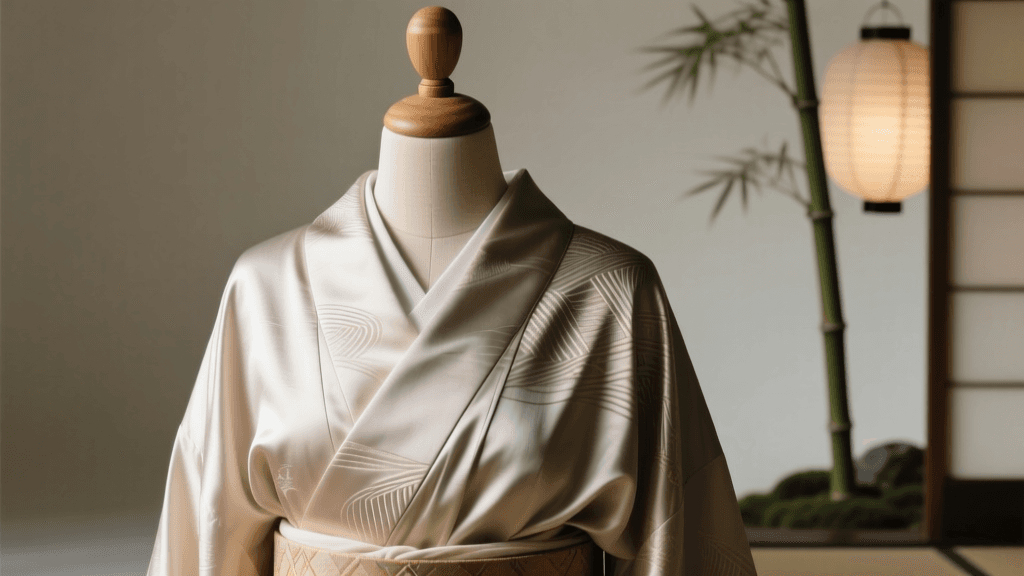
When we think of the traditional Japanese kimono, our minds immediately conjure vivid visual imagery: the vibrant crimson of a winter uchikake, the delicate indigo dyeing of a summer yukata, or the intricate metallic threads of a Nishijin-ori obi. However, to truly understand the depth of Asian textile traditions, one must look beyond the visual and embrace the multisensory experience. As we navigate 2026, the global appreciation for heritage garments has shifted from purely aesthetic admiration to a profound multisensory understanding. The friction of silk, the crisp drape of hemp, and the distinct acoustic signatures of traditional weaves offer a hidden language that has defined Japanese elegance for centuries.
At The Garment Atlas, we believe that a garment is not merely seen; it is felt, heard, and experienced. The sensory profile of a kimono dictates how the wearer moves, how they interact with their environment, and how they are perceived by others long before they enter a room. In this comprehensive guide, we explore the fascinating intersection of fabric texture, acoustic resonance, and the deeply rooted sensory traditions of Japanese clothing.
The Auditory Signature: Understanding Kinugoshi
The Japanese language possesses a specific, poetic term for the sound of silk garments rubbing together: kinugoshi (衣擦れ). Translating roughly to 'the rustle of clothes,' kinugoshi is not considered mere background noise; it is a celebrated auditory hallmark of grace and refinement. Historically, in the dimly lit corridors of Heian-era palaces or the quiet tea rooms of Kyoto, the soft, whispering friction of layered silk announced a person's arrival and hinted at their status before they were even seen.
The acoustic properties of kinugoshi are born from the unique physical structure of natural silk fibers. Unlike synthetic alternatives that tend to squeak or remain entirely silent, natural mulberry silk possesses microscopic triangular prisms that refract light and create a distinct, dry friction when woven tightly. In 2026, acoustic textile researchers have begun mapping these specific frequencies, noting that the rustle of high-quality habutae (plain weave silk) registers at a soothing, low-decibel frequency that human psychology associates with calmness and natural elements, much like the sound of wind through dry leaves.
To achieve the perfect kinugoshi, the kimono must be worn with a specific posture and gait. The traditional suriashi (sliding walk) minimizes vertical bouncing, allowing the hem and the inner layers to glide against one another continuously. This creates a sustained, whispering resonance rather than a sharp, erratic swishing.
Zen Spirituality and the Sensory Void
The sensory experience of the kimono is deeply intertwined with Zen aesthetics and the concept of ma (negative space or pause). In Zen philosophy, what is unseen or unheard is just as important as what is present. The subtle sound of kinugoshi occupies this liminal space. It is a gentle reminder of presence without demanding visual dominance. When participating in a traditional tea ceremony in 2026, the quiet rustle of the host's silk kimono as they fold the fukusa (silk cloth) serves as an auditory anchor, grounding the guests in the present moment and enhancing the meditative atmosphere of the ritual.
Tactile Topographies: From Crisp Hemp to Liquid Silk
Beyond sound, the hadazawari (the feel of the fabric against the skin) is a critical component of the kimono experience. Traditional Japanese weavers have spent centuries engineering textiles that respond dynamically to the country's extreme seasonal shifts. The tactile sensation of a garment dictates not only physical comfort but also the wearer's psychological state.
Summer Weaves: Ro and Sha
During the humid Japanese summer, visual and tactile cooling is paramount. Ro and sha are highly specialized leno-weave silks characterized by their open, mesh-like structures. Against the skin, sha feels remarkably crisp and cool, almost like fine paper or dried grass. The gaps in the weave allow ambient air to circulate, while the stiff drape of the fabric ensures it does not cling to the body. In 2026, contemporary weavers in the Tango region are combining these ancient leno techniques with ultra-fine metallic threads, creating summer garments that feel weightless yet possess a subtle, cooling structural integrity.
Winter Weights: Tsumugi and Brocade
Conversely, winter demands grounding weight and thermal insulation. Oshima Tsumugi, a highly prized pongee silk from Amami Oshima, offers a profoundly different tactile experience. Woven from pre-dyed, mud-treated threads, tsumugi lacks the slippery sheen of habutae. Instead, it feels earthy, matte, and slightly textured, akin to fine wool or raw cotton, despite being 100% silk. It molds to the body's warmth over time, creating a deeply comforting, enveloping sensation. Similarly, heavy Nishijin brocades used for winter obi provide a rigid, armor-like embrace that encourages an upright, dignified posture.
Sensory Fabric Comparison Chart
To help collectors, practitioners, and textile enthusiasts understand the varied sensory profiles of traditional garments, we have compiled a comprehensive comparison of primary kimono fabrics based on their acoustic and tactile properties.
| Fabric Type | Season | Sound Profile (Kinugoshi) | Tactile Sensation (Hadazawari) | Drape & Weight |
|---|---|---|---|---|
| Habutae (Plain Weave Silk) | Spring / Autumn | Soft, continuous whisper; high resonance | Smooth, liquid, cool to the touch | Fluid, medium weight, highly reflective |
| Chirimen (Silk Crepe) | Spring / Autumn | Muted, low-frequency rustle; textured friction | Pebbled, dry, soft, and yielding | Heavy drape, matte finish, conceals body lines |
| Ro / Sha (Leno Weave) | Summer | Crisp, papery swish; minimal friction | Cool, slightly stiff, breathable mesh | Lightweight, structured, translucent |
| Oshima Tsumugi (Pongee) | Winter | Quiet, earthy shuffle; almost soundless | Matte, cotton-like, warm, textured | Medium weight, molds to the body over time |
| Asa (Hemp / Ramie) | Summer | Sharp, rhythmic swishing; distinct friction | Crisp, dry, slightly coarse but cooling | Stiff, lightweight, holds sharp geometric folds |
Preserving the Senses: 2026 Heritage Initiatives
Historically, museum curation has been a strictly visual and highly restricted medium. The universal mandate of 'do not touch' has inadvertently severed the public from the tactile and auditory realities of historical garments. However, as of 2026, a revolutionary shift is occurring in textile preservation. Major institutions are increasingly focusing on multisensory exhibitions to capture the full essence of traditional crafts.
According to the Ministry of Economy, Trade and Industry (METI), the designation of Traditional Craft Products in Japan now heavily emphasizes the preservation of the sensory techniques required to produce authentic textures, not just the visual patterns. Furthermore, acoustic engineers are working alongside master weavers to create 'sensory archives.' By recording the precise kinugoshi of antique Meiji-era silks and mapping the haptic feedback of Edo-period hemp, conservators are ensuring that even if a physical garment degrades, its unique auditory and tactile signature remains documented for future generations. Institutions like the Victoria and Albert Museum have also pioneered digital and sensory workshops, allowing global audiences to understand the structural engineering that gives the kimono its distinct physical presence.
The Unsung Hero: The Role of the Nagajuban
No discussion of kimono acoustics is complete without addressing the nagajuban (the undergarment worn beneath the outer kimono). The nagajuban is the true engine of kinugoshi. While the outer layer may be a heavy, sound-dampening chirimen crepe, a high-quality silk habutae nagajuban worn underneath will generate a rich, internal rustling sound with every step.
In 2026, modern practitioners often experiment with the collar and sleeve lengths of their nagajuban to manipulate the acoustic friction points. By ensuring the silk sleeves of the undergarment extend just a fraction of an inch beyond the outer kimono sleeves, the wearer creates a continuous point of friction at the wrists and hem, amplifying the auditory experience without compromising the visual aesthetics of the ensemble.
How to Cultivate Your Own Sensory Kimono Experience
Whether you are a seasoned collector, a practitioner of traditional arts, or a traveler seeking an authentic cultural immersion in 2026, you can actively cultivate a deeper sensory relationship with your garments. Here is actionable advice for maximizing the texture and sound of your kimono:
- Invest in a Silk Juban: Even if your outer kimono is made of wool or synthetic blends, wearing a pure silk nagajuban will introduce the classic kinugoshi rustle to your movements. The friction between the inner silk and the outer fabric is where the magic happens.
- Master the Suriashi Walk: Practice the traditional sliding walk. Keep your knees slightly bent and slide your feet forward without lifting the heels too high. This prevents the hem from bouncing and instead encourages a long, sweeping glide that maximizes fabric-on-fabric friction.
- Seasonal Tactile Matching: Align your tactile expectations with the season. Do not expect the fluid drape of silk in the height of summer; embrace the crisp, structured, and cooling resistance of jiyofu (ramie) or asa (hemp). Allow the stiffness of the fabric to dictate a more deliberate, grounded posture.
- Attend Sensory Workshops: Seek out specialized textile workshops in Kyoto or Kanazawa that focus on 'blindfolded textile identification.' These emerging 2026 experiences train your fingertips to recognize the difference between Nishijin brocade and Yuzen-dyed crepe purely through touch, vastly deepening your appreciation for the artisan's craft.
Conclusion
The kimono is far more than a beautiful canvas for dyeing and weaving; it is a dynamic, acoustic, and tactile environment that the wearer inhabits. The whisper of kinugoshi, the cooling embrace of sha, and the grounding weight of tsumugi represent a sophisticated understanding of human sensory perception that has been refined over a millennium. As we continue to preserve and celebrate these Asian traditions in 2026, we must remember to listen to the garments as closely as we look at them. By engaging fully with the texture and sound of traditional Japanese clothing, we unlock a profoundly immersive dimension of cultural heritage that transcends the visual and speaks directly to the soul.