Top Chinese Fashion Creators Reviving Hanfu Trends 2026
The New Era of Chinese Fashion Journalism
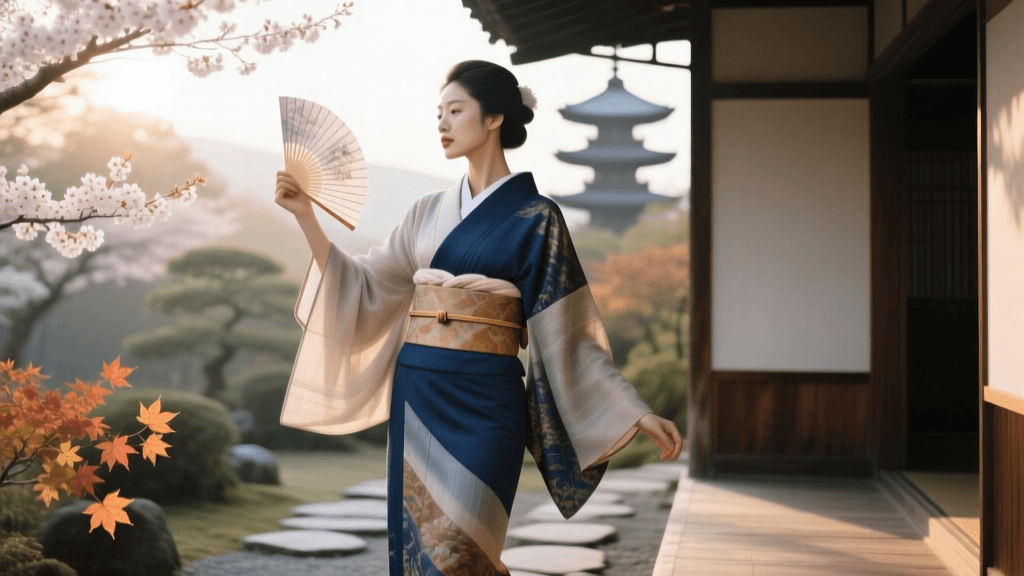
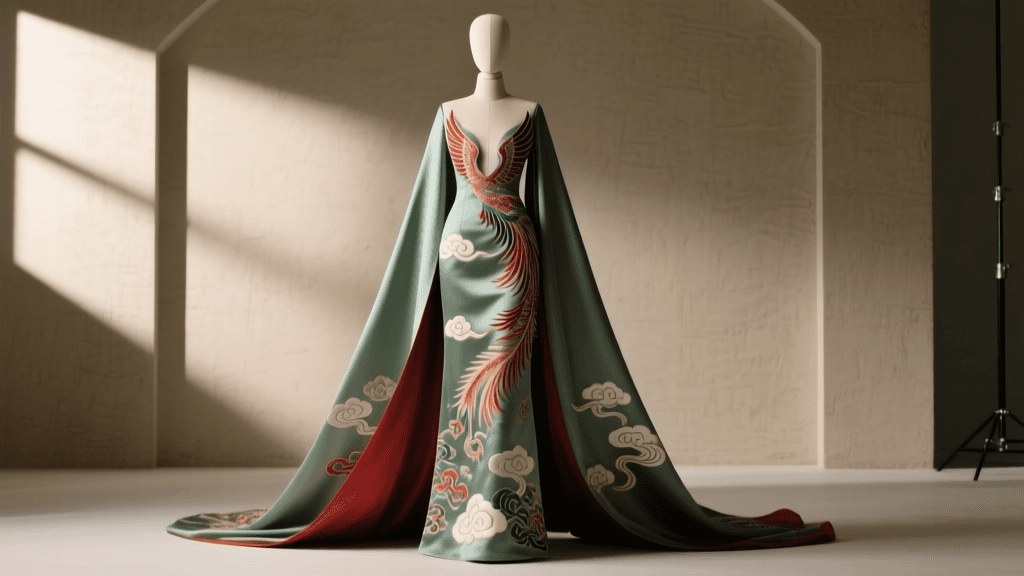
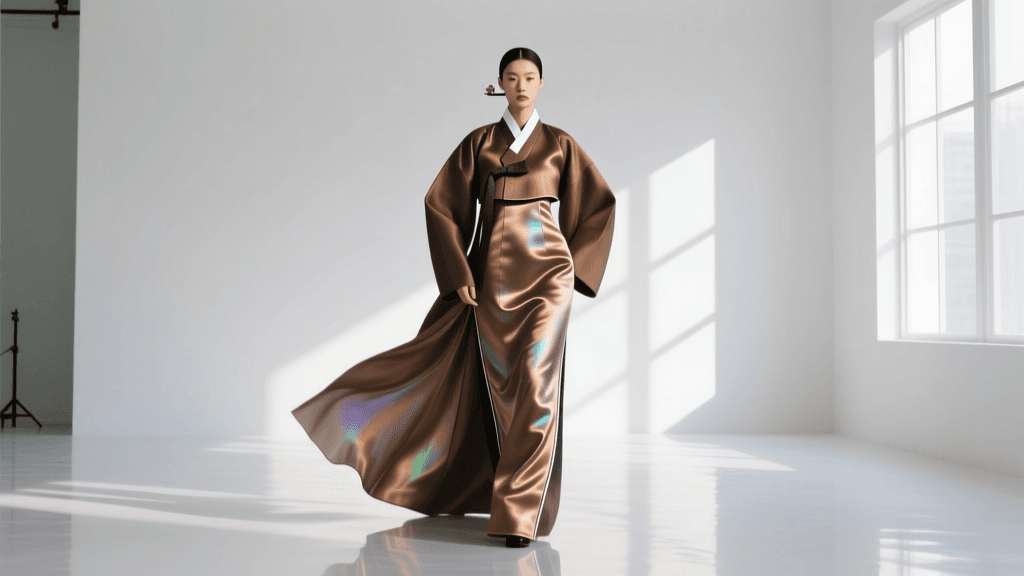
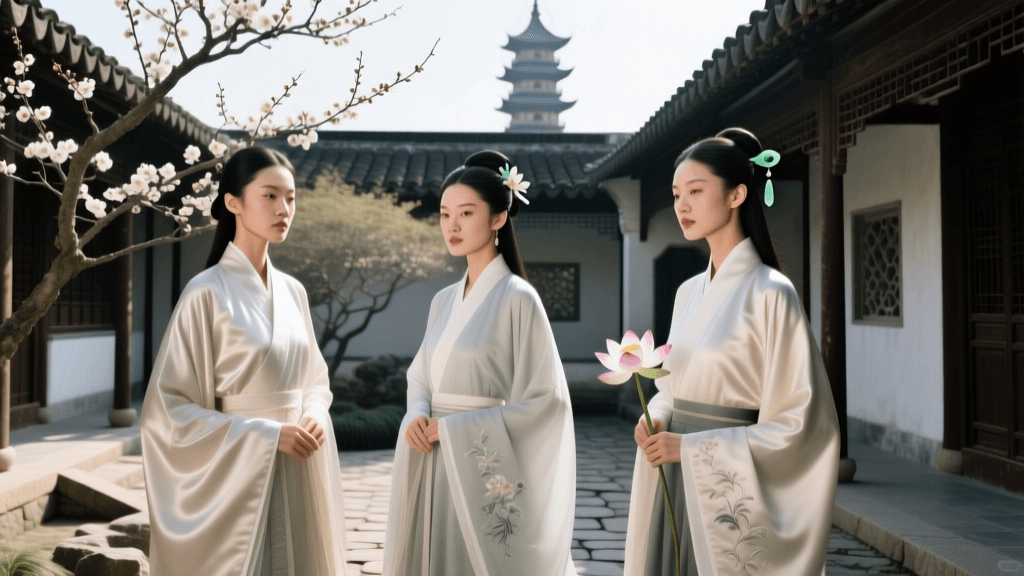
By 2026, the global fascination with traditional Chinese garments has evolved far beyond fleeting social media trends. The 'Guochao' (national trend) movement has matured into a sophisticated cultural renaissance, driven not by traditional print magazines, but by a new generation of independent Chinese fashion journalists, digital archivists, and content creators. These creators are bridging the gap between ancient textile techniques and modern sartorial expression, offering deep-dive analyses into everything from Ming Dynasty Mamianqun (horse-face skirts) to the intricate eco-friendly dyeing methods of southern China.
For global enthusiasts and industry professionals, following these digital journalists provides an unparalleled education in Asian sartorial heritage. Unlike the superficial 'outfit of the day' posts of the early 2020s, today's top creators operate as rigorous researchers. They collaborate with textile historians, visit remote artisan villages, and publish comprehensive reports on the supply chains of heritage silks. At The Garment Atlas, we have curated a comprehensive guide to the platforms, creators, and methodologies defining Chinese fashion journalism in 2026.
The Evolution of the Scholar-Creator
The modern Chinese fashion blogger is increasingly a 'scholar-creator.' Armed with high-definition macro lenses and access to provincial museum archives, these digital journalists deconstruct the anatomy of traditional garments. They analyze thread counts, historical weaving patterns like Kesi (silk tapestry), and the structural integrity of antique collars. This shift toward academic rigor has transformed platforms into vibrant hubs of peer-reviewed fashion discourse, where historical inaccuracies are swiftly corrected by a highly educated audience.
This journalistic approach is vital for preserving intangible cultural heritage. As mass-market fast fashion attempts to co-opt traditional designs, independent creators serve as the guardians of authenticity. They trace the lineage of specific motifs—such as the cloud-and-dragon patterns reserved for imperial garments—and educate their audiences on the socio-historical context of what they wear. According to the China National Silk Museum, public interest in historical textile preservation has surged, largely fueled by these digital educators who translate academic research into accessible, visually stunning content.
Key Platforms Driving the Conversation
To truly understand the landscape of traditional Chinese fashion in 2026, one must look beyond Western social media and engage with China's domestic digital ecosystems. Each platform serves a distinct journalistic purpose.
Bilibili: The Hub for Video Essays and Documentaries
Bilibili remains the premier platform for long-form video journalism. Top creators here produce 30-to-45-minute documentary-style essays that rival professional television productions. A popular genre on the platform is the 'garment autopsy,' where creators meticulously deconstruct vintage or historically accurate replica garments to explain the flat-cutting techniques and zero-waste pattern-making inherent in traditional Chinese tailoring. These creators often travel to heritage sites, interviewing elderly tailors who still practice the hand-stitching methods of the Republic era.
Xiaohongshu (RED): Visual Archiving and Sourcing
Xiaohongshu has evolved into a powerful visual search engine and a critical tool for fashion journalism. In 2026, it is the go-to platform for sourcing vintage textiles, discovering eco-friendly dyeing workshops, and reviewing independent Hanfu brands. Creators here excel at highly aesthetic, photo-rich journalism. They publish detailed guides on how to identify authentic Xiangyunsha (gambier silk) versus synthetic imitations, complete with macro-photography of the fabric's distinctive cracking patterns. It is also the primary network for discovering niche, secondhand antique Qipao dealers.
WeChat Official Accounts: Long-Form Industry Analysis
For industry insiders, textile scholars, and serious collectors, WeChat Official Accounts offer the most rigorous long-form journalism. Independent fashion historians use WeChat to publish heavily cited, 5,000-word articles detailing the economic history of the Silk Road, the chemical composition of ancient mordants, and market analyses of the 2026 heritage textile trade. These accounts often feature exclusive interviews with master weavers recognized by the UNESCO Intangible Cultural Heritage list, providing a level of depth rarely seen in global fashion media.
Platform Comparison for Traditional Fashion Journalism
| Platform | Primary Content Format | Journalistic Focus | Best For |
|---|---|---|---|
| Bilibili | Long-form Video Essays | Historical accuracy, tailoring techniques, artisan interviews | Visual learners, history students, pattern-makers |
| Xiaohongshu (RED) | Visual Guides, Carousels | Vintage sourcing, eco-dyeing spots, brand reviews | Fashion buyers, collectors, sustainable fashion advocates |
| Long-form Articles | Industry data, textile chemistry, market trends | Industry insiders, academics, textile curators | |
| Xianyu (Idle Fish) | Marketplace Listings | Secondhand valuation, antique authentication | Vintage investors, antique garment restorers |
Investigating Eco-Friendly Dyes and Artisanal Weaving
A major focal point for Chinese fashion journalists in 2026 is the revival and documentation of natural, eco-friendly dyeing methods. As global consumers demand sustainability, Chinese creators are highlighting centuries-old, plant-based dyeing techniques that predate synthetic chemicals. Content series focusing on Guizhou's Miao indigo dyeing and the mud-silk curing processes of Guangdong have garnered millions of views.
Creators are acting as environmental watchdogs, investigating the ecological impact of modern dyeing facilities while championing artisans who maintain closed-loop, zero-waste water systems. They document the precise timing, temperature, and fermentation processes required to achieve the deep, colorfast blues of traditional indigo, or the rich, earthy browns of gambier juice. This journalism not only preserves the technical knowledge but also drives economic support to rural artisan cooperatives, ensuring these sustainable practices remain financially viable in the modern era.
Navigating the Vintage and Secondhand Markets
The secondhand market for traditional Chinese garments has exploded, and fashion bloggers are the primary guides to this complex ecosystem. Journalists on Xiaohongshu and Xianyu (China's leading secondhand platform) publish weekly reports on the valuation of antique textiles. They teach their audiences how to differentiate between a genuine late-Qing dynasty embroidered jacket and a 1980s theatrical reproduction.
This segment of fashion journalism requires a keen eye for material culture. Creators analyze the degradation of metallic threads, the specific types of silk damask used in different decades, and the evolution of the Mandarin collar. For global collectors, these blogs are invaluable resources. They provide transparency in a market that can often be opaque, offering authentication checklists and highlighting reputable vintage dealers who specialize in Republic-era Qipaos and early 20th-century Hanfu revival pieces.
Actionable Advice for Global Enthusiasts
Engaging with Chinese fashion journalism requires navigating language barriers and distinct digital ecosystems. Here is how global readers can effectively tap into this wealth of knowledge in 2026:
- Master the Search Terminology: Use precise Chinese keywords to bypass algorithmic fluff. Search for '汉服考据' (Hanfu historical research) for academic accuracy, '植物染' (plant dyeing) for eco-friendly textile content, and '古着旗袍' (vintage Qipao) for secondhand market insights.
- Leverage Advanced Translation Tools: Utilize 2026's AI-driven browser extensions that offer contextual, nuanced translations of specialized textile terminology, ensuring you understand the difference between 'warp' and 'weft' in technical WeChat articles.
- Follow the Curators, Not Just the Models: Seek out accounts that cite their sources, link to museum archives like those found via Vogue China's cultural heritage segments, and show the 'behind-the-scenes' research process.
- Support Ethical Artisans: Use the sourcing guides provided by Xiaohongshu journalists to directly purchase from verified rural cooperatives, ensuring your investment supports the continuation of intangible cultural heritage.
Conclusion
The landscape of Chinese fashion journalism in 2026 is a testament to the power of digital preservation. By combining rigorous historical research with modern digital storytelling, these content creators are ensuring that the rich tapestry of Asian traditional garments is not only remembered but actively worn, understood, and respected. For anyone passionate about the intersection of culture, sustainability, and sartorial history, these digital archives are an indispensable resource.