Decoding Chinese Couture: Runway Trends to Bespoke Reality
The Global Ascent of Chinese Haute Couture
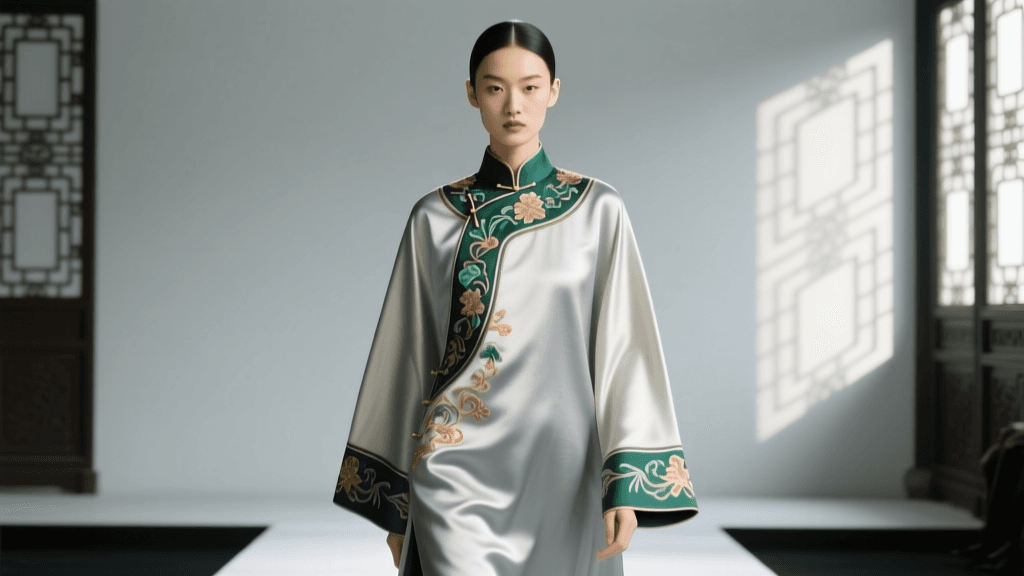
The intersection of traditional Chinese craftsmanship and international haute couture has fundamentally redefined global fashion over the past decade. No longer confined to the realm of costume or ceremonial wear, Chinese sartorial heritage has become a dominant force on the runways of Paris, Milan, and New York. This evolution represents a profound shift from superficial Orientalist motifs to a deep, structural appreciation of indigenous textile arts, pattern drafting, and philosophical aesthetics.
The watershed moment for this global recognition was arguably The Metropolitan Museum of Art’s Costume Institute exhibition, China: Through the Looking Glass. The exhibition meticulously explored how Chinese aesthetics have influenced Western fashion for centuries, while simultaneously spotlighting the emerging vanguard of Chinese designers who were reclaiming their own narrative. It showcased how elements like the structural rigidity of the Qing dynasty court robe and the fluid drapery of Han dynasty silk could be translated into modern luxury.
Designers like Guo Pei have since elevated traditional techniques to the highest echelons of the Chambre Syndicale de la Haute Couture. Her retrospective at the SCAD FASH Museum of Fashion + Film highlighted the architectural rigor of her garments, which often require thousands of hours of hand-embroidery, goldwork, and intricate beadwork. For collectors, enthusiasts, and independent designers, the challenge and opportunity lie in translating these extravagant runway concepts into wearable, bespoke reality.
Translating Runway Extravagance into Wearable Bespoke Elegance
While runway pieces often prioritize theatricality and avant-garde silhouettes, integrating Chinese couture techniques into a functional wardrobe requires a strategic approach to scale, proportion, and material weight. The goal of modern bespoke fusion is to capture the essence of the craftsmanship—such as the meticulous stitch work of Suzhou embroidery or the structural elegance of the Mamianqun (horse-face skirt)—without compromising everyday mobility.
The key to successful translation lies in the concept of "selective opulence." Instead of commissioning a fully embroidered floor-length gown that may only be worn once, contemporary collectors are opting for modular couture. This involves investing in a masterfully tailored base garment—such as a dropped-shoulder qipao or a structured silk taffeta jacket—and pairing it with highly embellished, interchangeable accessories or removable overlays. This approach not only maximizes the cost-per-wear but also aligns with the sustainable, slow-fashion ethos inherent in traditional Chinese garment making.
Actionable Guide: Commissioning Your Own Couture-Inspired Piece
Step 1: Selecting the Base Silhouette and Textiles
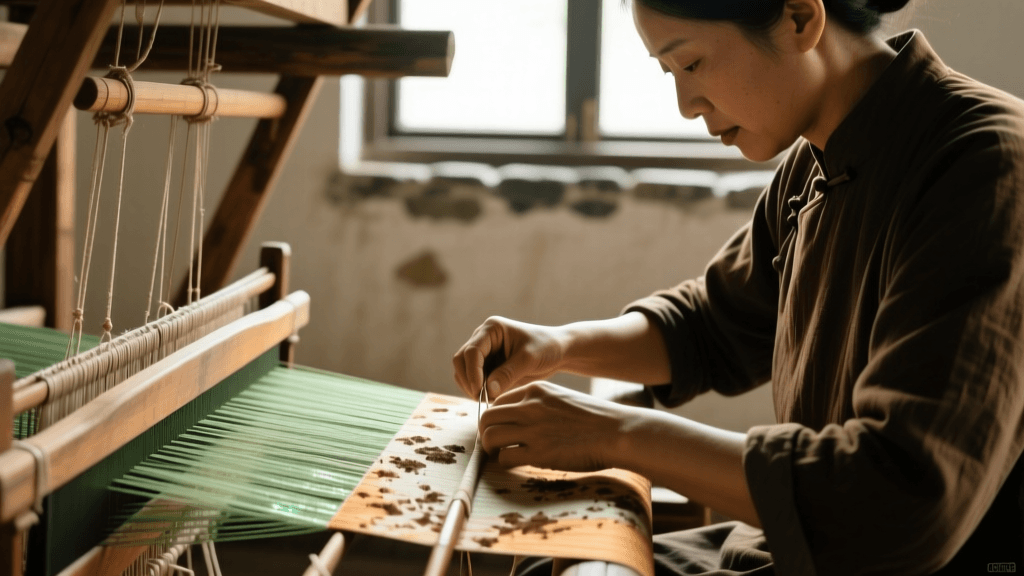
When commissioning a bespoke piece, the foundation is paramount. For a modern fusion silhouette, consider the Xiangyunsha (gambiered Canton gauze). This highly prized textile is dyed using the juice of the Dioscorea cirrhosa tuber and iron-rich river mud, resulting in a breathable, water-resistant fabric with a distinctive dual-tone finish and a subtle, paper-like rustle. Because authentic Xiangyunsha can only be produced during the hot, sunny months between July and October in Guangdong province, you must time your commission accordingly. Expect to pay a premium of $150 to $300 per meter for genuine, sun-dried Xiangyunsha.
Step 2: Choosing Embellishments and Embroidery Techniques
Chinese embroidery is broadly categorized into four major regional styles, each offering distinct visual and tactile qualities for couture:
- Su Embroidery (Suzhou): Renowned for its delicate, hyper-realistic motifs and the famous double-sided technique (shuangmian xiu). Ideal for sheer silk organza overlays where the reverse side must be as flawless as the front.
- Shu Embroidery (Sichuan): Characterized by thick, vibrant threads and bold, contrasting colors. Best suited for structural bodices or heavy winter coats where the embroidery needs to stand out against dense brocades.
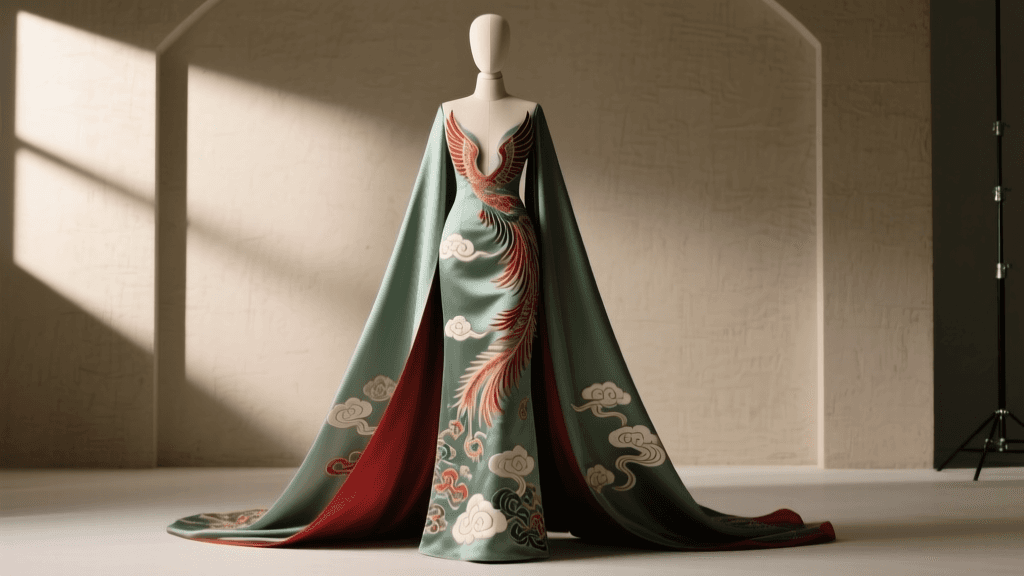
- Yue Embroidery (Cantonese): Famous for its use of gold and silver threads, often featuring dragons and phoenixes. Perfect for high-impact evening wear and wedding couture.
- Xiang Embroidery (Hunan): Known for its monochromatic, ink-wash painting aesthetic. An excellent choice for understated, intellectual elegance and everyday luxury.
Step 3: Precise Measurements and Pattern Drafting
Western tailoring relies heavily on darts and curved seams to contour the body. Traditional Chinese pattern drafting, however, utilizes a flat, geometric cutting method known as pingjian (flat shoulder), which avoids shoulder seams entirely to preserve the continuous flow of the fabric's motif. When providing measurements to a master tailor specializing in Chinese couture, you must go beyond the standard bust, waist, and hip.
Ensure you provide your shen gao (total body height), jian kuan (exact shoulder width from bone to bone), and crucially, the shang dang (front rise) and xia dang (back rise). If you are commissioning a modern Mamianqun, specify your desired pleat depth. While traditional skirts use 3cm to 5cm pleats, a modern couture adaptation often utilizes a 1.5cm micro-pleat in stiffened silk taffeta to maintain architectural volume without adding excessive weight around the hips. A standard couture Mamianqun will require between 4.5 and 6 meters of fabric to achieve the correct overlapping panel structure.
Cost and Timeline Comparison Chart
Understanding the financial and temporal investment required for Chinese-inspired couture is essential for planning. The following table outlines the typical parameters for commissioning bespoke fusion garments from specialized ateliers in cities like Shanghai, Hangzhou, or Paris.
| Commission Tier | Estimated Cost (USD) | Timeline | Primary Embroidery Technique | Best Use Case |
|---|---|---|---|---|
| Semi-Bespoke Fusion | $800 - $2,500 | 6 - 10 Weeks | Machine-assisted Su / Yue | Cocktail events, modern weddings |
| Full Bespoke Artisan | $3,000 - $8,000 | 4 - 6 Months | Hand-rolled Su / Xiang | Galas, heirloom investment pieces |
| Haute Couture Replica | $15,000 - $50,000+ | 12 - 18 Months | Goldwork, Seed Pearl, Double-sided | Red carpet, museum archives |
Practical Styling and Garment Care
Integrating a high-end Chinese couture piece into a contemporary wardrobe requires thoughtful styling to avoid looking costumey. Pair a heavily embroidered, structural Mamianqun with a minimalist, tailored Western blazer or a simple cashmere turtleneck. This juxtaposition allows the intricate textile work to serve as the focal point of the outfit while grounding it in modern sophistication. For footwear, avoid traditional cloth shoes unless attending a highly specific cultural event; instead, opt for sleek, pointed-toe leather pumps or minimalist architectural heels that echo the clean lines of the garment's silhouette.
Proper care is non-negotiable for preserving these investment pieces. Garments made from Xiangyunsha or featuring delicate Su embroidery should never be subjected to standard commercial dry cleaning, as the harsh chemicals can strip the natural mud-dye finish and degrade the silk fibers. Instead, seek out a specialist textile conservator or a high-end couture cleaner experienced with heritage Asian textiles. For storage, never use plastic garment bags, which can trap moisture and cause the silk to yellow or the metallic threads to tarnish. Wrap the garment in unbleached, acid-free muslin cloth and store it flat in a cedar-lined drawer to protect against pests and environmental degradation.
By understanding the historical context, mastering the technical specifications, and respecting the artisanal timelines, collectors and fashion enthusiasts can successfully bridge the gap between the international runway and their own bespoke wardrobes, ensuring the legacy of Chinese couture continues to thrive in a modern context.