Mastering Seasonal Kimono Layering and Dressing Techniques
The Philosophy of Koromogae: Timing Your Wardrobe Transition
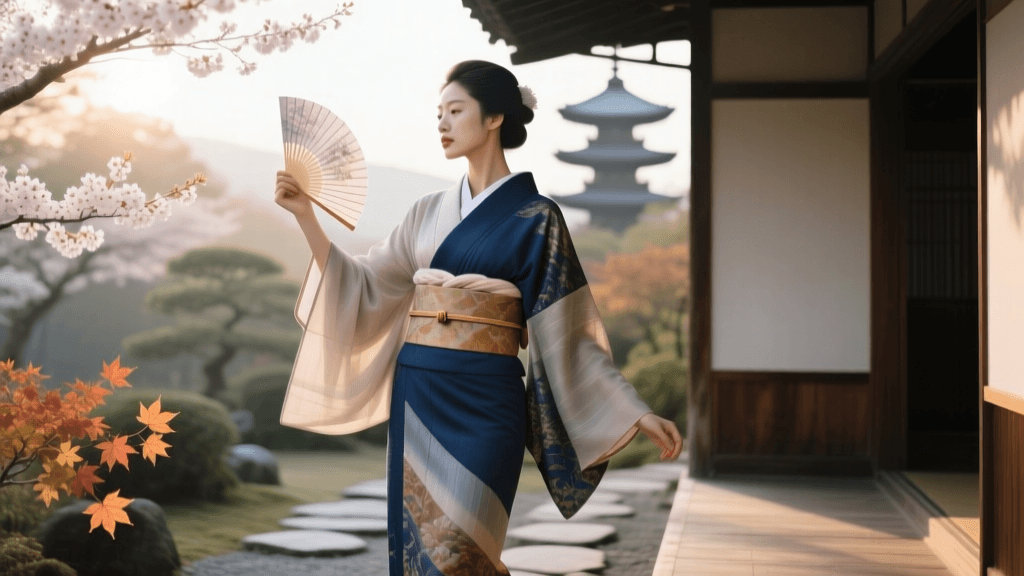
The Japanese kimono is far more than a beautiful garment; it is a wearable calendar that reflects the subtle shifts in nature. In traditional Japanese culture, the practice of changing one's wardrobe to match the seasons is known as koromogae (衣替え). Historically rooted in the Heian period (794–1185), this biannual transition is still observed today, particularly in schools, corporate uniforms, and traditional arts. For kimono wearers, koromogae dictates not only the weight of the silk but the very structure of the garment, the underlayers, and the dressing techniques employed to ensure both comfort and cultural accuracy.
The modern kimono calendar is broadly divided into three structural seasons rather than four meteorological ones. Understanding when to transition between these layers is the first step in mastering seasonal dressing. The official transition dates are generally set as June 1st for moving into summer wear, and October 1st for returning to lined winter wear. However, modern practitioners often adjust these dates slightly based on regional climate variations and personal comfort, utilizing transitional garments in May and September.
The Three Seasons of Kimono: A Structural Guide
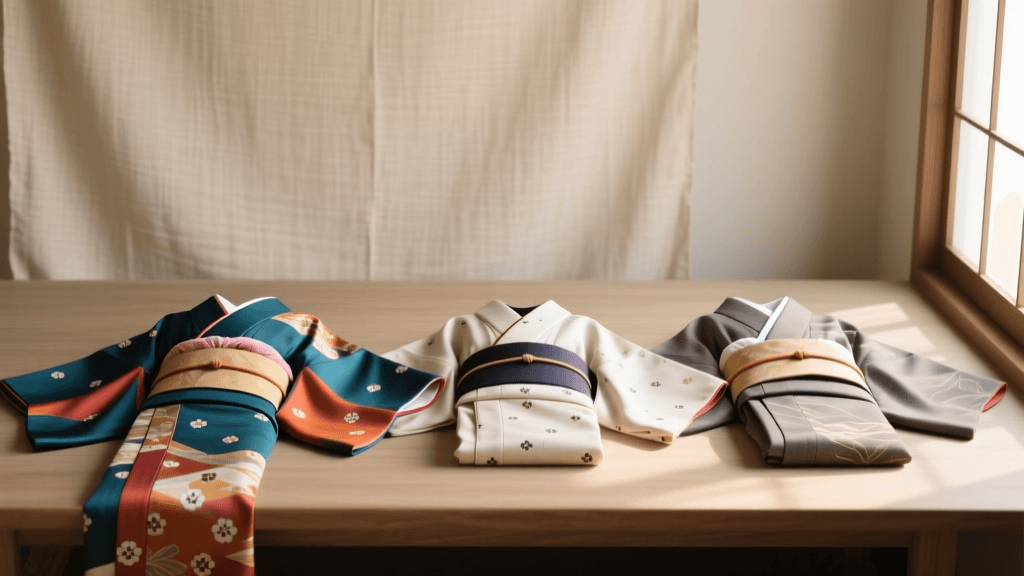
Unlike Western fashion, where seasonality is often dictated by color or sleeve length, kimono seasonality is defined by the garment's lining and weave. Below is a comprehensive guide to the three structural categories of kimono wear.
| Category | Japanese Term | Months Worn | Fabric & Weave Examples | Undergarment Pairing |
|---|---|---|---|---|
| Lined | Awase (袷) | October – May | Chirimen (crepe silk), Tsumugi (pongee), Wool | Lined silk or cotton Nagajuban |
| Unlined | Hitoe (単衣) | June & September | Unlined silk, Hemp, Linen, Ro-ori | Unlined cotton or hemp Nagajuban |
| Sheer | Usumono (薄物) | July & August | Ro (gauze), Sha (leno weave), Ramie | Sheer Ro or Sha Nagajuban, bamboo slip |
As noted by the Victoria and Albert Museum, the evolution of the kimono from the kosode of the Edo period to the structured garment of today was heavily influenced by the desire to showcase seasonal motifs and textiles appropriate for the climate. Wearing a sheer Ro kimono in December or a heavy lined Awase in August is considered a significant faux pas in traditional dressing.
Essential Undergarments: Selecting the Right Juban
The secret to a flawless kimono silhouette and seasonal comfort lies beneath the outer layer. The undergarments, collectively referred to as shita-gi, protect the expensive outer silk from sweat and oils while providing structural padding.
1. The Foundation Layers
- Hadajuban (肌襦袢): A thin, short-sleeved camisole worn directly against the skin. For summer, choose seersucker cotton or mesh fabrics to promote airflow. Cost: $15–$30.
- Susoyoke (裾除け): A wrap skirt worn on the lower half. In peak summer, a seersucker susoyoke or a split-leg momohiki (trousers) prevents the fabric from clinging to sweaty legs.
- Nagajuban (長襦袢): The main under-robe. This is the garment that dictates the collar shape. In winter, a lined silk or thick cotton nagajuban provides warmth. In July and August, a sheer Ro or Sha nagajuban is mandatory to match the transparency of the outer Usumono kimono. Cost: $80–$300+ depending on material.
2. Shaping and Stiffening Tools
To achieve the crisp, flat collar required in kimono dressing, specific tools are utilized:
- Eri-shin (衿芯): A collar stiffener slipped into the back of the nagajuban collar. Standard measurements are 90 cm long and 5 cm wide. Plastic or mesh versions ($5–$10) are ideal for summer as they do not absorb sweat, while silk or padded versions are preferred in winter for a softer drape.
- Date-jime (伊達締め): A wide under-belt (6–8 cm wide) used to secure the nagajuban and kimono before the main obi is tied. Modern beginners should invest in a 'magic tape' (Velcro) date-jime ($20–$40), which provides secure tension without the bulk of traditional tied silk, preventing overheating in the summer months.
Step-by-Step Dressing Techniques for Seasonal Comfort
Dressing in a kimono, or kitsuke, requires adjusting your technique based on the season to ensure physical comfort without compromising the aesthetic rules.
Step 1: Padding and Alignment
The kimono is cut in straight lines, requiring a cylindrical body shape. In winter, this is easily achieved by wearing a haramaki (belly warmer) or a padded towel around the waist. In summer, minimize padding. Use only a thin towel wrap just below the bust to anchor the koshi-himo (waist ties, typically 110–120 cm long). Ensure the back seam (se-nu) of the kimono is perfectly centered on your spine.
Step 2: Creating the Ohashori
The ohashori is the horizontal fold of fabric tucked at the waist. It is a defining feature of women's kimono dressing.
Actionable Technique: Pull the front panels down so the hem rests at your ankles. Tie the first koshi-himo tightly. Then, pull the excess fabric up and over the tie, creating a neat fold. The visible portion of the ohashori should measure exactly the width of your hand (approximately 7–8 cm). In summer, ensure the fold is not too thick, as bulk traps heat against the abdomen.
Step 3: Collar Adjustment
Cross the left side over the right (right over left is strictly reserved for dressing the deceased). The back of the collar should be pulled down to expose the nape of the neck (eri-nuki). In winter, a deeper nape exposure (a fist and a half width) is considered elegant and allows for heavy, decorative collars. In summer, a slightly shallower exposure prevents the sheer Ro fabric from slipping off the shoulders due to sweat.
Tying the Obi: Seasonal Variations and Hacks
The obi is the anchor of the outfit, and its material and tying style change drastically with the weather.
- Winter (October–May): Use a Fukuro or Nagoya obi made of heavy brocade (nishiki) or silk. These are typically 30 cm wide and over 3.5 meters long. The heavy fabric provides core warmth. Formal knots like the Otaiko (drum knot) are standard.
- Summer (July–August): Opt for a sheer Ro obi, a lightweight linen obi, or a Hanhaba (half-width) obi, which measures only 16 cm wide. The Hanhaba allows for maximum airflow around the lower back. Tying styles like the Bunko (bow knot) are preferred as they use less fabric and reduce heat retention.
Summer Cooling Hacks
Surviving a Japanese summer in traditional dress requires strategic interventions. Insert a bamboo slip (igote) between the underarm and the kimono to absorb sweat and prevent the silk from staining. Additionally, applying a cooling body powder or using a peppermint-infused cooling wipe on the neck and wrists before dressing can lower your baseline body temperature. The Japan National Tourism Organization frequently advises visitors renting summer yukata to choose lightweight cotton and breathable bamboo accessories to combat the intense humidity of July and August.
Winter Warming Strategies
Traditional kimono leaves the ankles and calves exposed to the cold. In winter, wear fleece-lined tabi (split-toe socks) and utilize a haramaki (waist warmer) beneath the susoyoke. For outdoor events, a velvet or wool haori (jacket) and a plush silk shawl are culturally appropriate and highly functional additions to the ensemble.
Conclusion
Mastering the seasonal nuances of kimono dressing elevates the practice from mere costuming to a living, breathing cultural art form. By respecting the calendar of koromogae, selecting the appropriate juban layers, and adjusting your kitsuke techniques for thermal comfort, you honor the deep connection between Japanese textile traditions and the natural world.